It’s a scene straight out of a Hollywood movie, isn't it? A crane silently rising in the Paris night, not with construction materials, but with daring thieves. Their target? The Louvre Museum. Their prize? A staggering $102 million in jewels from the legendary Apollo Gallery.
But the crane that showed up on a recent Tuesday wasn't for another heist. It was for workers. Their job was to install heavy-duty security bars on the very window the thieves used to get in.
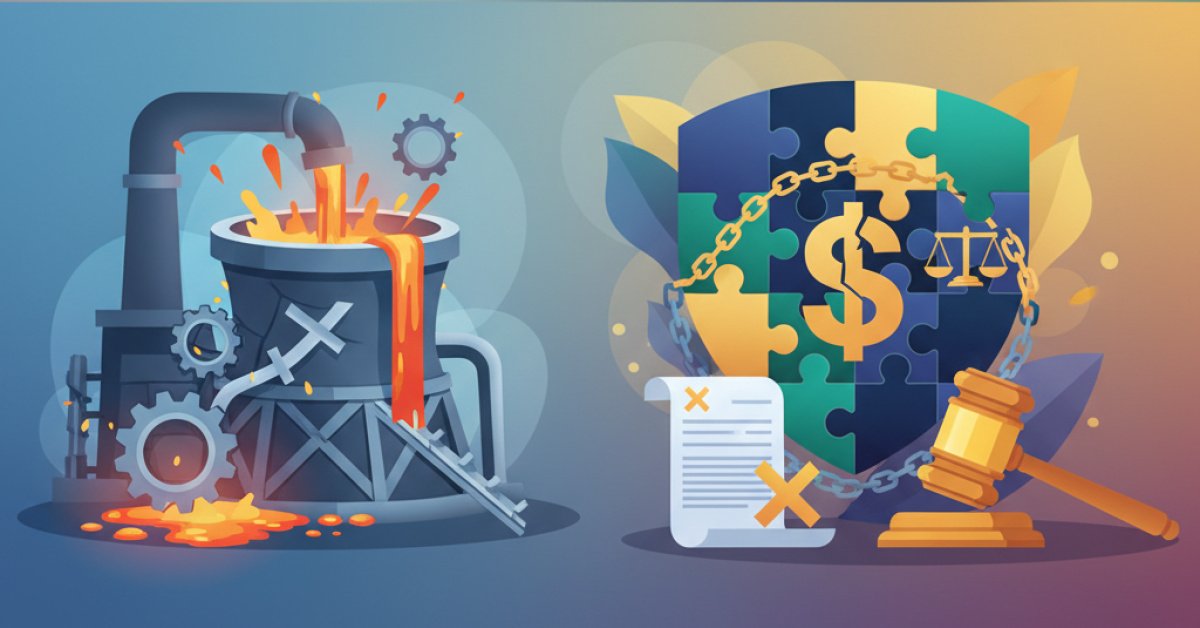
It’s a classic case of locking the barn door after the horse has bolted. And while it’s easy to shake our heads, this story is more than just a dramatic headline. For those of us in the insurance world, it’s a perfect, larger-than-life example of the constant dance between risk, loss, and prevention.
So, what can a world-famous museum and a nine-figure jewel theft teach you about your own insurance? A whole lot, actually. Let's break it down.
That Sinking Feeling: The Aftermath of a Massive Loss
First, let's just imagine the phone calls that happened the morning after the heist. The museum director, the head of security, the Parisian police... and, of course, the museum's insurance company.
I can promise you, that was one tough call for the underwriter to take.
When we talk about insuring something like the Louvre, we're not talking about a standard policy you can get online. This is the world of specialty fine art and museum insurance, a highly complex field where the "valuables" are literally priceless pieces of human history.
Priceless vs. Insurable Value
Here’s a tricky concept we deal with all the time: how do you put a price on the irreplaceable? You can't, really. But for insurance purposes, you have to. Appraisers and underwriters work together to determine an "agreed value" for these items. This isn't just a guess; it's a meticulously researched figure based on auction records, historical significance, and market trends.
That $102 million figure isn't just a shocking number; it's the cold, hard basis for the insurance claim. It’s the financial hole the insurer is now responsible for filling. And a claim of that size sends shockwaves through the entire industry.
The "Why Now?" Question: A Lesson in Risk Mitigation
This brings us to those new security bars. Why install them after the fact?
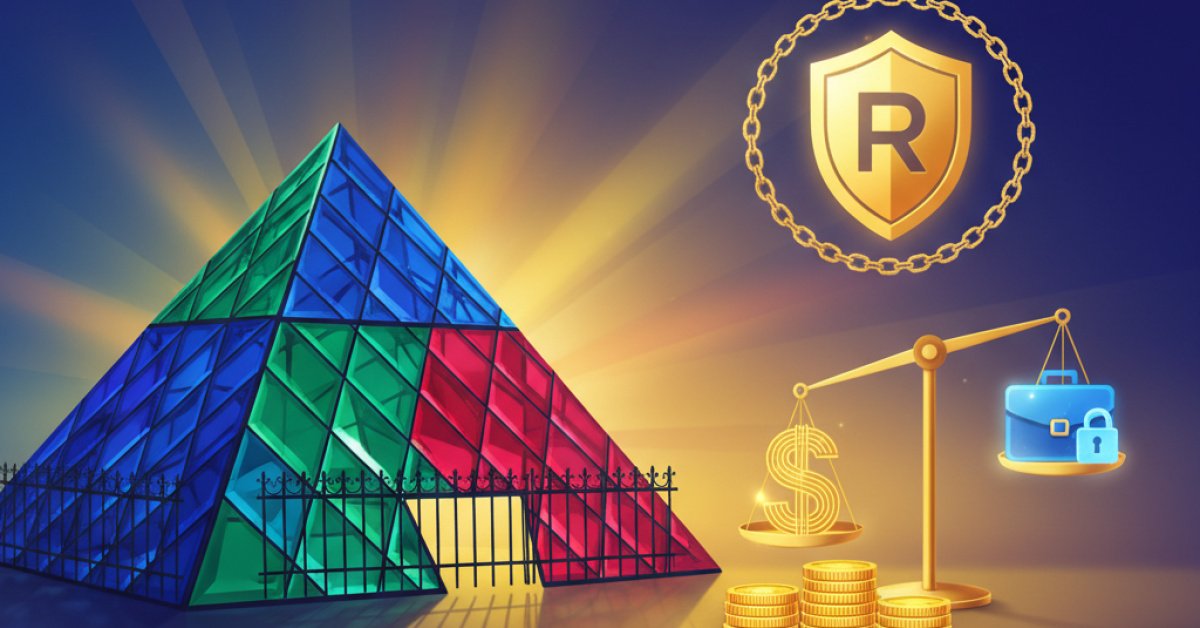
From an insurer's perspective, this move is what we call risk mitigation. It’s any action you take to reduce the likelihood or severity of a future loss. The Louvre identified a massive vulnerability—a weak window—and they corrected it.
It might seem obvious, but you’d be surprised how often basic preventative measures are overlooked until a disaster strikes. For the insurance company, seeing those bars go up is a huge relief. It shows that their client (the museum) is taking the risk seriously and is actively working to prevent a repeat performance.
Here’s the thing: insurance isn't just a magic pot of money that pays for bad things. It's a partnership. The insurer takes on the financial risk, and in return, they expect you to be a responsible partner in protecting your own property.
When the Louvre’s policy comes up for renewal, you can bet the underwriters will be asking some tough questions:
- What security upgrades have been made since the incident?
- What new protocols are in place?
- Have you addressed the specific vulnerabilities that led to the loss?
The installation of those bars is a direct, physical answer to these questions. It demonstrates a commitment to security that could mean the difference between getting renewed at a reasonable premium and being deemed "uninsurable."
Bringing It Home: What the Louvre’s Window Bars Mean for You
Okay, so you probably don’t have a collection of crown jewels sitting in your living room. But the principle is exactly the same, whether we're talking about a museum in Paris or your house in the suburbs.
Think about it. Your insurer gives you a discount for having a smoke detector, a security system, or a deadbolt on your door. Why? Because those are your window bars. They are simple, tangible steps you've taken to mitigate your own risk.
Your Personal Risk Mitigation Checklist
Let’s translate the Louvre’s big-budget security upgrade into everyday actions that can protect you and potentially lower your insurance premiums:
- The Window Bars (Physical Security): For you, this could be installing a home security system, adding deadbolts, or even just trimming the bushes around your windows so there’s nowhere for a burglar to hide.
- The Security Guards (Monitoring): This is your monitored alarm system that calls the police or fire department automatically. It's the modern-day version of a guard walking the halls.
- The Climate Control (Environmental Protection): The Louvre protects its art from humidity and temperature swings. You do the same when you install a water leak detector in your basement or make sure your pipes are properly insulated for the winter.
- The Inventory (Documentation): Museums have a detailed catalog of every single item. You should have a home inventory—a list, with photos or videos, of your valuable possessions. If you ever have a claim, this document is your absolute best friend.
Every one of these actions tells your insurer that you're a good partner. You're not just hoping for the best; you're actively working to prevent the worst. That makes you a much better risk in their eyes.
At the end of the day, the story of the Louvre heist is a powerful reminder. Insurance is your financial safety net, but it's not a substitute for common sense and proactive protection. The best insurance claim is always the one you never have to file.
So take a look around your own "gallery." What are your vulnerabilities? What are your weak windows? Taking a few simple steps now to install your own "security bars" could save you from having to make that difficult call to your insurance agent later. It's a lesson that, as the Louvre learned the hard way, is worth millions.