Have you ever stopped to think about the sheer amount of trust we put in our cities every single day? We trust that the traffic lights will work, the roads will be safe, and that the person driving that massive city bus knows exactly what they’re doing. It’s a social contract we rarely think about, until something goes horribly, tragically wrong.
And that’s exactly what happened in Detroit.
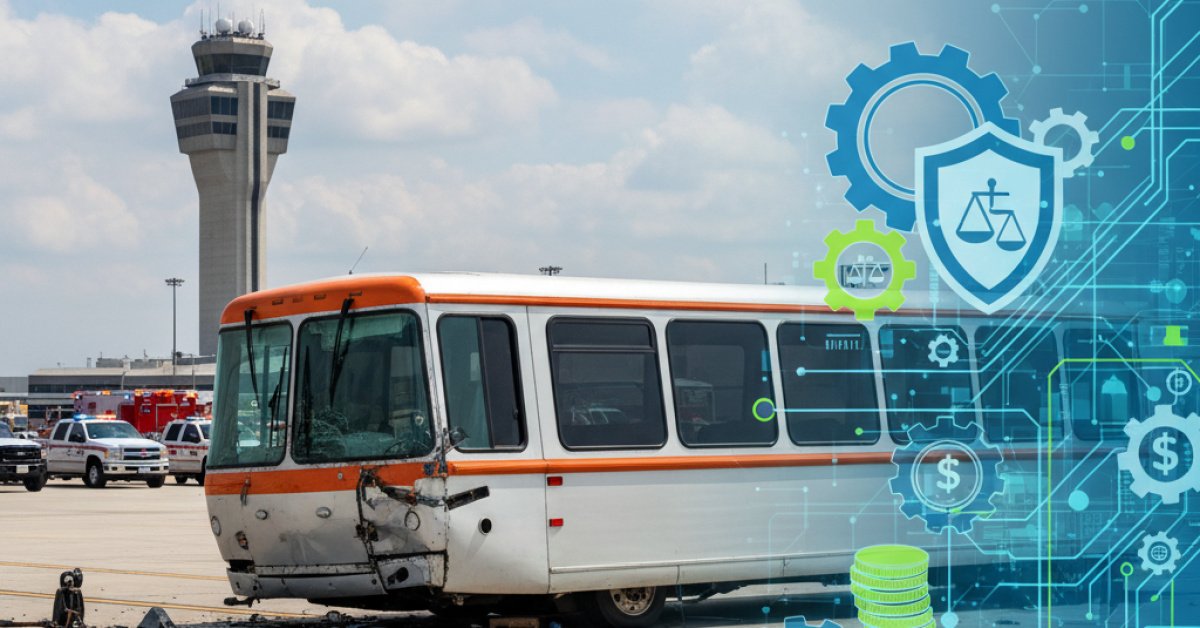
The city recently agreed to pay out a staggering $5.85 million to settle a lawsuit. The case involves a pedestrian who was struck and killed by a city bus. It's a heartbreaking story on its own, but there's a detail here that turns this from a tragic accident into a massive, flashing-red-light warning for any organization that puts people behind the wheel.
This was the second fatality involving the same exact bus driver since 2015.
Let that sink in for a moment. This wasn’t a one-off, unavoidable event. It was part of a pattern. And when patterns of risk are ignored, the human and financial costs can be astronomical. Let’s unpack what happened here and what it means from a risk and insurance perspective.
What Exactly Went Wrong?
At the heart of this is a wrongful death lawsuit. A person lost their life, and their family sought justice and compensation for that loss. The city of Detroit, after reviewing the case, decided to settle for $5.85 million rather than take it to a full trial.
Now, in the world of insurance and law, a settlement like this isn't an admission of guilt in the same way a court verdict is. But let's be real—you don't write a check for nearly $6 million unless you know there's a significant chance you'll lose in court. It’s a business decision, a calculated move to cap the financial damage.
The core of the family's case wasn't just that the accident happened. It was that it should have been prevented. The fact that this driver was still on the road after being involved in a previous fatal incident is the kind of detail that makes a plaintiff's attorney's case—and gives an insurance underwriter a nightmare.
The Alarming Pattern: This Isn't Just Bad Luck
This is where the story gets really tough to swallow. When we look at commercial vehicle operations, whether it's a fleet of delivery vans or a city's bus system, risk management is everything. You're not just insuring a vehicle; you're insuring the person operating it.
Think about it this way. If your teenage son got into a major accident, you’d probably be pretty hesitant to hand him the keys again without some serious re-training, right? You'd be watching him like a hawk.
Now scale that up. We're talking about a professional driver, responsible for a 40-foot, 20-ton vehicle navigating busy city streets. The standard of care has to be incredibly high. A history of multiple crashes, especially one involving a fatality, is more than a red flag. It's a giant, blaring siren.
Ignoring that siren is what lawyers often call "negligent retention"—continuing to employ someone you know (or should know) poses a risk to others. And that’s a very, very expensive mistake to make.
Who's Footing This $5.85 Million Bill?
So, where does this money actually come from? It's not like the city manager writes a personal check. This is where the world of municipal insurance comes into play, and it’s a bit different from your personal car insurance.
Cities and large public entities often handle their risk in a few ways:
- Self-Insurance: Some very large cities set aside a huge pool of money from their budget to pay for claims directly. They are, in effect, their own insurance company.
- Liability Pools: Many smaller cities or municipalities band together to form a "pool." They all contribute money, and the pool acts like a shared insurance company to cover claims for its members.
- Traditional Insurance: And of course, cities also buy massive liability policies from commercial insurance carriers, especially for catastrophic claims that exceed what they can cover on their own. This is often called "excess insurance."
Regardless of the specific mechanism, the ultimate source of the money is almost always the same: taxpayer dollars.
Whether it’s paid out from a city fund, an insurance pool, or a commercial policy (which will then lead to sky-high premiums), the financial burden of a settlement this large eventually trickles down to the public. It means less money for parks, road repairs, or other essential services.
The Real Lesson Here: Prevention is Priceless
A $5.85 million settlement is a massive financial blow. But the truth is, the financial cost is secondary to the human one. A life was lost that didn't need to be.
For anyone in risk management, fleet safety, or insurance, this case is a powerful, if somber, reminder of some fundamental truths. It’s not enough to just have insurance. Insurance is a backstop for when things go wrong; it’s not a strategy.
The real strategy is preventing the loss in the first place. That means:
- Rigorous Driver Screening: Not just when you hire them, but continuously.
- Proactive Training: Regular, ongoing training and re-training, especially after any incident.
- A Clear Disciplinary Process: Having clear, non-negotiable rules for what happens after an accident, particularly a serious one. When are driving privileges suspended? When is termination the only responsible option?
It’s easy to get complacent. It’s easy to give a long-time employee the benefit of the doubt. But when public safety is on the line, there is simply no room for error. This settlement in Detroit is a harsh reminder that the cost of inaction—of not addressing a known risk—is always higher than the cost of prevention. It's a lesson paid for in dollars, but measured in a life that can never be replaced.