You ever see a headline that just makes you scratch your head? I had one of those moments this week. It involved the U.S. Supreme Court, the states of Florida, California, and Washington, and a big argument over… commercial driver's licenses.
It sounds a little out of left field, I know. But when you dig in, you realize this isn't just some random legal squabble. It’s a story that pulls together states' rights, federal immigration policy, and something we in the insurance world care a lot about: road safety and liability.
So, let's unpack what just happened. Florida tried to take two other states to the highest court in the land, and the court basically said, "Nope, not interested." It’s a fascinating situation, and it has some real-world implications for the trucking industry and the insurance that keeps it moving.
So, What Was Florida So Upset About?
Alright, let's get to the heart of it. Florida filed a pretty unusual lawsuit directly with the Supreme Court. They weren't suing a person or a company; they were suing the states of California and Washington.
Florida’s main argument was that these two states were being way too lax in how they issue commercial driver's licenses (CDLs) to undocumented immigrants. They claimed that California and Washington have policies that essentially look the other way on federal immigration laws, making it easier for people without legal status to get behind the wheel of a big rig.
Think of it like this: all the states have an agreement to recognize each other's driver's licenses. It's why you can drive your Florida-registered car in California without any issues. This is called reciprocity, and it’s crucial for interstate commerce. Florida argued that California and Washington were abusing this system. They were essentially saying, "You're not playing by the agreed-upon rules, and it's forcing us to accept licenses we believe are fraudulent and unsafe."
According to Florida's Attorney General, Ashley Moody, this practice wasn't just a paperwork issue. She argued it directly threatened the safety of Florida's roads and drove up insurance costs for everyone in the state.
The Real Issue Here: Road Safety and Insurance Costs
This is where the story gets really interesting for us. Florida wasn't just making a political point; they were trying to connect the dots between another state's licensing policies and the tangible risks faced by their own citizens.
Their logic went something like this:
- Lower Standards = Higher Risk: If other states have looser requirements for getting a CDL, it could mean that less-qualified or improperly vetted drivers are on the road.
- Interstate Trucking Spreads the Risk: A trucker with a California CDL doesn't just stay in California. They drive all over the country, including through Florida.
- Florida's Hands Are Tied: Because of those reciprocity agreements, Florida has to honor that California license, even if they believe it was issued under sketchy circumstances.
- The Bottom Line: More risk on the roads inevitably leads to more accidents. And more accidents mean higher insurance claims, which eventually translates to higher premiums for trucking companies and, ultimately, the consumers who rely on them.
Whether you agree with Florida's argument or not, you can see the insurance logic. The entire commercial auto insurance market is built on assessing risk. Anything that introduces a major, unpredictable variable—like questions about the legitimacy of a whole class of driver's licenses—is going to make underwriters nervous.
The Supreme Court Steps In… and Right Back Out
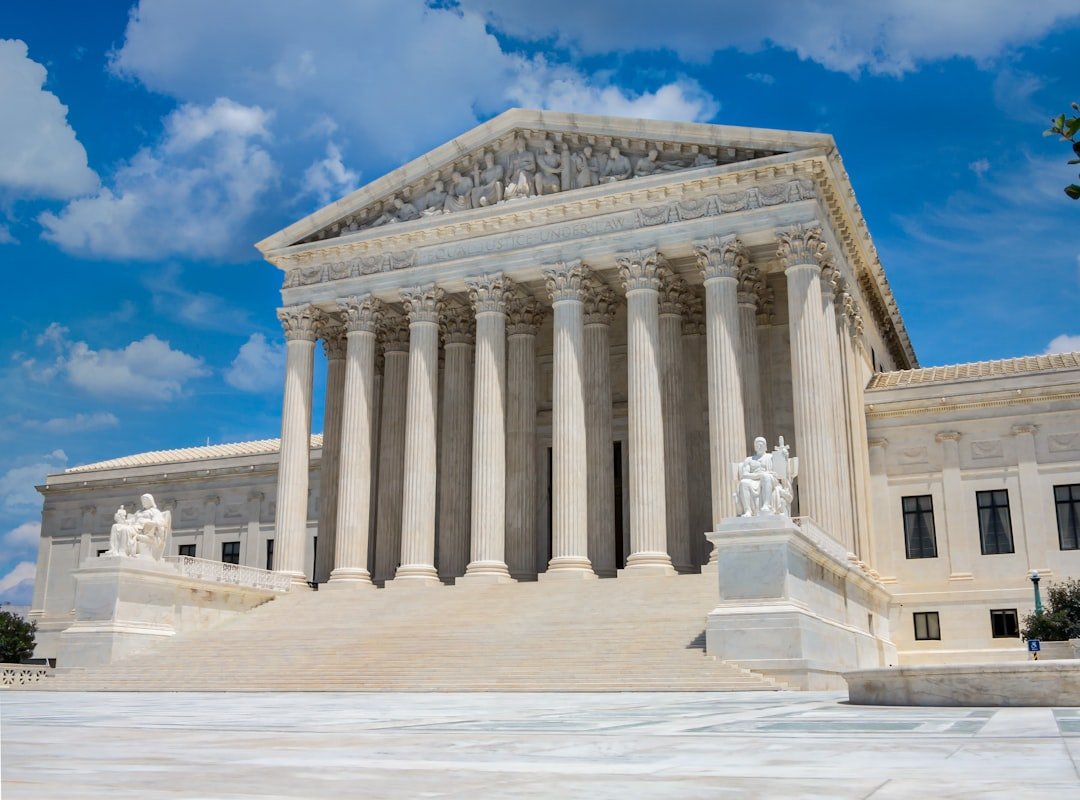
Now, you might be wondering why Florida went straight to the Supreme Court. It’s because the Constitution gives the Supreme Court something called "original jurisdiction" over disputes between states.
It's pretty rare. Think of it as being able to skip all the lower courts and take your case directly to the final boss. But here's the catch: the Supreme Court doesn't have to hear these cases. They get to pick and choose.
And in this situation, they chose to pass.
On Tuesday, the justices, without giving any reason or explanation, simply rejected Florida’s request to file the lawsuit. It was a very quiet end to what could have been a major legal battle. The door was shut before the argument could even really begin.
This isn't a ruling on the merits of Florida's case. The court didn't say Florida was right or wrong. They just decided that this wasn't the kind of state-vs-state dispute they wanted to referee.
What Does This Mean for the Rest of Us?
So, what's the takeaway from all this?
For now, the status quo remains. California and Washington can continue with their current policies for issuing commercial driver's licenses. The legal challenge from Florida is, for all intents and purposes, over.
But the underlying debate is far from settled. This case highlights a major tension point in our country: the line between state authority and federal law, especially when it comes to immigration. It’s a conversation that’s happening in statehouses across the country, and it has a direct ripple effect on the transportation and insurance industries.
As insurance professionals, it’s a reminder that the risks we manage are shaped by much more than just driving records and vehicle maintenance. They’re shaped by legislation, court decisions, and political debates happening hundreds or thousands of miles away.
While this particular lawsuit didn't go anywhere, the issues it raised—about license integrity, driver vetting, and interstate liability—are ones we'll continue to watch closely. Because at the end of the day, ensuring that our roads are safe and our supply chains are secure is what it's all about.