We’ve all seen them. Those incredible, sweeping drone shots in movies or breathtaking videos on YouTube. Drones are amazing pieces of technology, and they're being used for everything from real estate photography to package delivery. It's pretty cool stuff.
But let’s be honest, there’s another side to it. For every legitimate, licensed drone pilot out there, there’s the potential for a rogue one. A drone flying where it shouldn’t, whether it’s out of cluelessness or something more sinister. And if you’re a business owner, that thought can be more than a little unsettling.
That’s why a recent proposal from the FAA caught my eye. The government is finally starting to tackle the security worries around rogue drones, and their plan could have a real impact on how certain businesses manage their risk—and, you guessed it, their insurance.
So, What's the FAA Actually Proposing?
Let's break it down. It’s actually pretty straightforward.
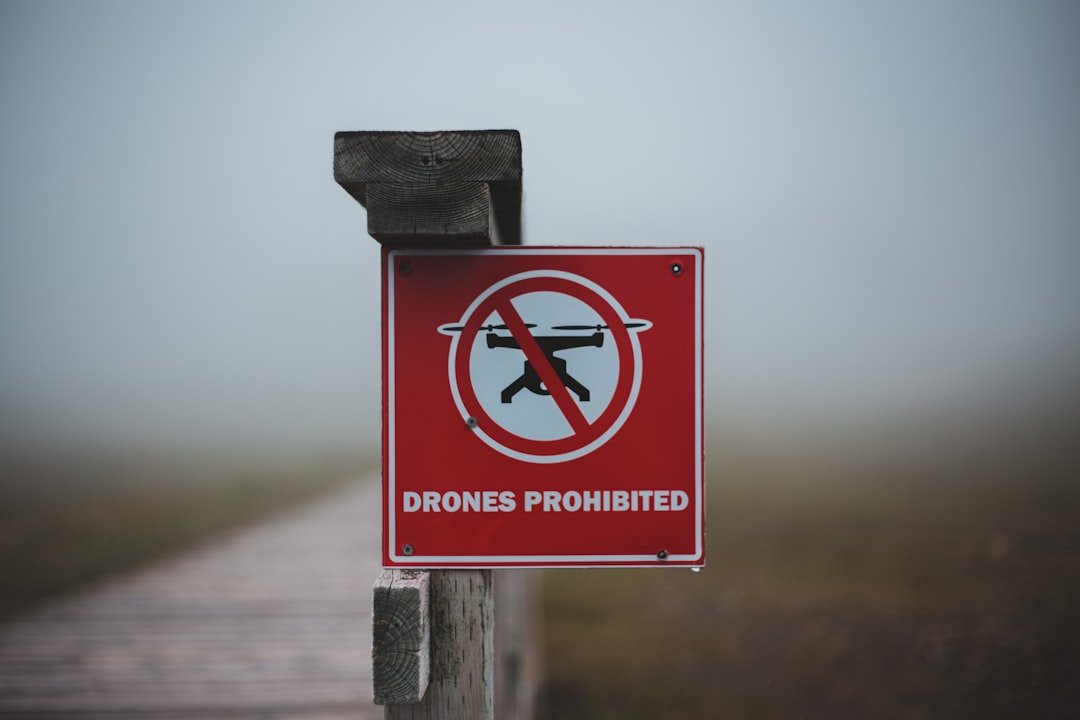
The FAA is working on a new set of rules that would allow owners of certain types of properties to formally request that drones be restricted from flying over their sites. Think of it like a digital "No Trespassing" sign specifically for the airspace above your facility.
This isn’t about banning all drones everywhere. It’s about creating designated "no-fly zones" around locations that are considered sensitive or could be high-risk targets. The goal is simple: tighten security and give property owners a tool to protect themselves from unwanted aerial visitors.
Who Gets to Put Up the "No Drones Allowed" Sign?
This is the key part. The proposed rules aren't for every coffee shop or bookstore on the corner. They’re aimed at specific types of facilities where a rogue drone could cause serious problems.
The list includes places like:
- Energy plants and oil refineries
- Chemical facilities
- State prisons
- And, interestingly, amusement parks and other large public venues
It makes perfect sense when you stop and think about it. A drone buzzing around a nuclear power plant? That’s a massive security risk. A drone falling out of the sky into a crowd at a theme park? That’s a liability nightmare waiting to happen. For prisons, the concern is contraband being smuggled in or security being compromised.
Each of these locations has a unique and compelling reason to want to control the airspace above them. This proposal gives them a legitimate, government-backed way to do it.
The Insurance Angle: Why This Is a Big Deal for Your Policy
Okay, so let's talk about what this means in our world—the world of risk and insurance. Anytime the government steps in to help businesses mitigate risk, we pay attention. And this is a perfect example.
For years, the threat of rogue drones has been a tricky thing to insure against. It’s a relatively new risk, and it falls into a weird gray area. Is damage from a drone a property claim? A general liability claim? What if it’s used for corporate espionage—is that a cyber liability issue? It can get messy.
These new FAA rules could bring some much-needed clarity. Here’s how I see it playing out:
1. A New Tool for Risk Management: First and foremost, if you own one of these designated facilities, you now have a powerful new way to protect your property and the people on it. By requesting a flight restriction, you are actively reducing your exposure to drone-related incidents. And let me tell you, insurance underwriters love to see proactive risk management. It shows you’re taking your safety and security seriously.
2. Potential Impact on Your Premiums: Will getting a drone restriction automatically lower your insurance bill? It’s probably too soon to say for sure. But it’s not a crazy thought. When you can demonstrate to your carrier that you’ve taken concrete steps to eliminate a known risk, you’re in a much better position to negotiate. I wouldn’t be surprised to see this become a question on insurance applications in the near future: "Have you applied for an FAA drone flight restriction over your facility?"
3. Clarifying Liability: Imagine a drone crashes at your plant. If you have a flight restriction in place, it’s immediately clear that the drone should not have been there. This could make a huge difference in determining liability and could help your insurance company in the subrogation process (that’s when they go after the responsible party’s insurance to recoup what they paid on your claim). It strengthens your case from the get-go.
What Should You Be Doing Right Now?
Even though these are just proposed rules for now, it's never too early to start thinking about the implications.
If you own or manage a business that might fall into one of these categories—especially energy, corrections, or large-scale entertainment—now is the time to start a conversation.
First, talk to your legal counsel to understand the specifics of the FAA proposal and how you might apply for a restriction once the rules are finalized.
Second, and just as important, call your insurance broker. This is exactly the kind of emerging risk we’re here to help you navigate. We can review your current policies (your General Liability, Property, and maybe even your Cyber policy) to see how you’re covered for drone-related incidents today. From there, we can strategize on how an FAA restriction could strengthen your overall risk profile.
It's all about staying ahead of the curve. Technology is moving incredibly fast, and the world of risk is changing right along with it. This move by the FAA is a perfect reminder that we can't just set our insurance policies and forget them. We have to be constantly looking at the horizon, identifying new threats, and using every tool available to protect what we’ve built.