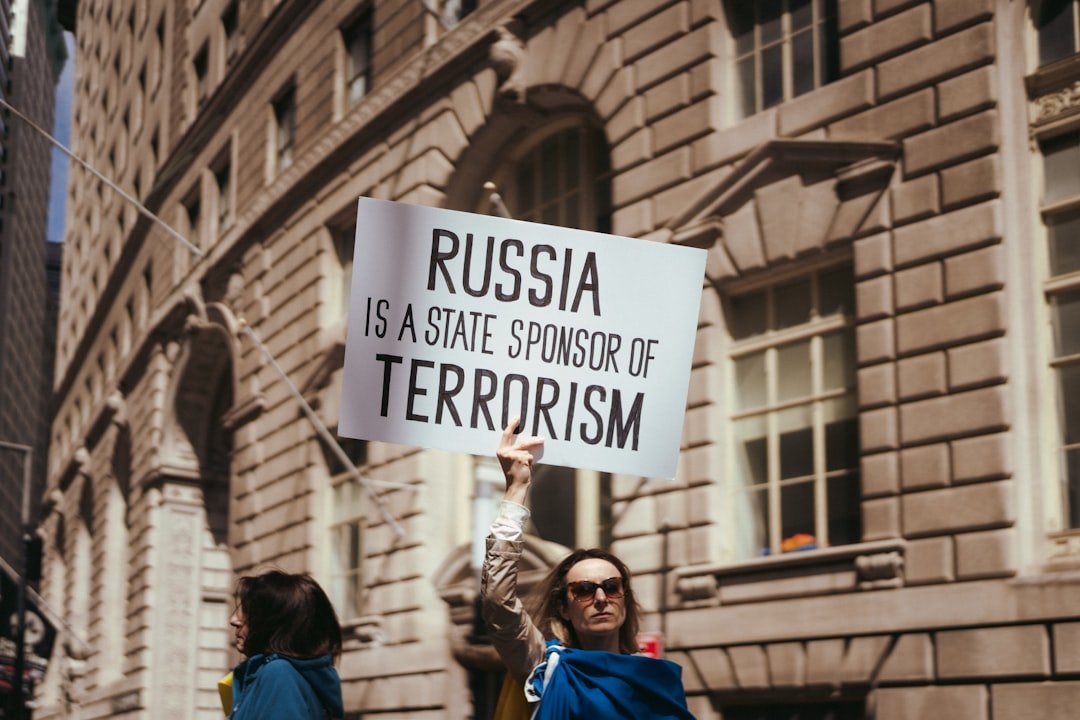
Every now and then, a piece of news comes out of Washington that doesn't make a lot of noise but is incredibly important. It’s not flashy, it won’t lead the evening news, but it’s one of those foundational things that keeps our economy steady.
We just saw a perfect example of this. A bipartisan group in the Senate introduced a bill to extend the federal terrorism risk insurance program for another seven years.
Now, I know what you might be thinking. "Federal terrorism risk insurance program" sounds like a mouthful, and maybe a little… boring? But stick with me, because this program is one of the most critical, behind-the-scenes pieces of our entire financial system. If you own a business, work in real estate, or just care about economic stability, this affects you.
Let’s break down what’s going on and why it’s such a big deal.
So, What Exactly Is This Federal "Backstop"?
To really get this, we have to go back to late 2001. After the devastating attacks of 9/11, the insurance world was thrown into chaos.
Think about it from an insurer's perspective. How do you possibly calculate the risk of another attack of that scale? You can’t. The potential losses were so astronomical, so unpredictable, that private insurers basically ran for the hills. They started excluding terrorism from their commercial policies because they simply couldn't afford to cover it.
This created a massive problem. If businesses couldn't get terrorism insurance, banks wouldn't give them loans for big projects. Construction sites stalled. Real estate deals fell apart. The economy, which was already reeling, was at risk of grinding to a halt.
So, Congress stepped in. In 2002, they passed something called the Terrorism Risk Insurance Act, or TRIA.
Here’s the simple version of how it works: TRIA created a public-private partnership. The government told insurance companies, "Look, we need you to offer terrorism coverage again. In return, we'll provide a 'backstop'."
Imagine a safety net. The insurance industry is responsible for paying out claims up to a certain, very large, amount. But if a truly catastrophic terrorist event happens and the losses soar past that threshold, the federal government steps in to help cover a portion of the rest.
It’s not a blank check or a bailout. It’s a structured risk-sharing agreement. This gave insurers the confidence they needed to get back in the game and start offering this vital coverage again.
Why a Seven-Year Extension? And Why Now?
This program was never meant to be permanent. It has an expiration date, and Congress has to periodically vote to reauthorize it. That’s what’s happening right now.
This new bill is a proposal to keep the program running for another seven years. Why seven? Because long-term stability is everything here.
Think about a massive construction project, like a new skyscraper or a sports stadium. These things take years to plan and build. The developers and their lenders need to know that terrorism insurance will be available and affordable not just this year, but five or six years from now. A seven-year extension provides that certainty. It lets businesses plan for the future.
What I find really telling is that this is a bipartisan effort. In today's political climate, getting both sides to agree on anything is a minor miracle. The fact that this bill has sponsors from both parties shows just how essential everyone in Washington believes this program is for national economic security. It’s viewed as a must-have, not a nice-to-have.
What Does This Mean for Your Business?
Okay, let's bring this down to street level. How does this Senate bill actually impact you or your business?
Honestly, in a huge way.
If TRIA were to disappear, we’d likely see a repeat of what happened after 9/11.
- Coverage would vanish: Insurers would likely stop offering terrorism coverage or make it incredibly restrictive.
- Prices would skyrocket: For the limited coverage that might still exist, the price would go through the roof.
- The economy would slow down: Without this required insurance, many commercial loans would freeze, stalling development and hurting businesses that need capital to grow.
By extending the program, Congress is basically ensuring the market for terrorism insurance remains stable. It means that if you're a business owner, you can continue to get the coverage you need to protect your assets and satisfy your lenders, all at a predictable cost.
It’s one of those invisible pillars holding things up. You don't notice it when it's there, but you'd feel its absence immediately. This effort in the Senate is all about making sure that pillar stays firmly in place. It's a quiet, responsible move that provides a massive amount of stability for everyone, and frankly, it's good to see it happening.