Have you ever played whack-a-mole at an arcade? You smack one down, and two more pop up somewhere else. It’s a frantic, never-ending game. Honestly, that’s exactly what it feels like watching the battle between government agencies and cybercriminals play out in real-time.
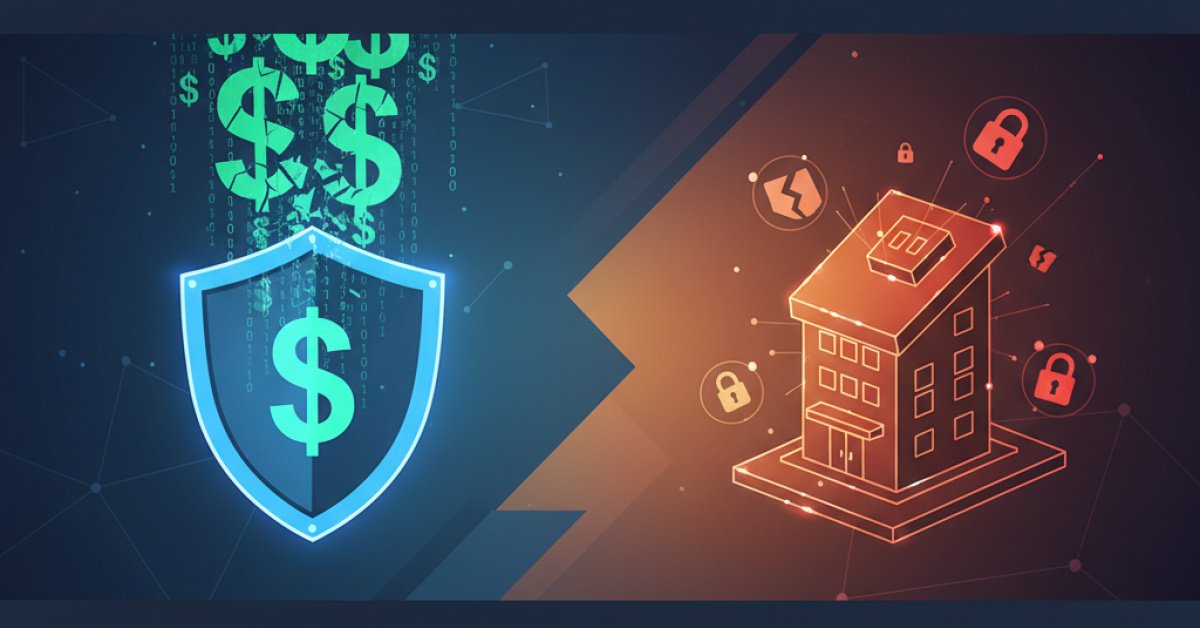
We just saw a perfect example of this. A hacking group, with ties to the Iranian government, claimed responsibility for a cyberattack on a U.S. medical device maker back in March. As you’d expect, the U.S. government didn’t take that lightly. The FBI and the Department of Justice stepped in and seized the hackers' website domain.
Case closed, right? The good guys win. Well, not exactly. In less than 24 hours, the hackers had their site back up and running. It’s the digital version of whack-a-mole, and it’s a sobering reminder for any business owner who thinks the government alone can protect them from cyber threats.
The Illusion of a Quick Fix
Let's be clear: it's a good thing when our federal agencies take action. Seizing a domain disrupts the hackers' operations, even if just for a little while. It sends a message. But we have to be realistic about what it actually accomplishes.
Think of it like this: the police board up a known hideout for a criminal gang. It’s a great move, but does it stop the gang? No. They just find a new hideout. They might be inconvenienced, but they’re not out of business.
That’s what we’re seeing here. These hacking groups are sophisticated and resilient. They have backup plans. They have multiple ways of communicating and operating. Taking down one website is a temporary setback, not a knockout blow. For them, it’s just the cost of doing business.
So, when you see a headline about the FBI seizing a hacker's domain, don't breathe a sigh of relief and think the problem is solved. The real takeaway is just how persistent and determined these groups are. And that persistence is exactly what your business is up against every single day.
Why This Should Matter to You (A Lot)
Okay, so a bunch of hackers played cat-and-mouse with the FBI. Why does this story from the tech pages belong on an insurance blog? Because the target of this attack tells us everything we need to know about risk.
They didn't go after a bank or a government agency in this specific case. They hit a U.S. medical device maker.
Let that sink in. This isn't just about stealing credit card numbers anymore. An attack on a company like this can have terrifying real-world consequences. It can disrupt the supply chain for critical medical equipment, compromise sensitive patient data, and even put lives at risk if devices are tampered with or rendered inoperable.
For the business itself, the fallout is a nightmare. We're talking about:
- Massive Business Interruption: Imagine your entire operation grinds to a halt. You can't manufacture, you can't ship, you can't bill. Every minute of downtime costs a fortune.
- Eye-Watering Recovery Costs: You have to hire cybersecurity experts to figure out what happened, scrub your systems, and rebuild your network. This is a highly specialized and expensive process.
- Legal and Regulatory Fines: If protected health information (PHI) was stolen, you’re looking at HIPAA violations and other regulatory penalties that can be financially crippling.
- Reputational Ruin: How do you regain the trust of hospitals, doctors, and patients after a breach? The damage to your brand can be the longest-lasting and most difficult wound to heal.
This is the modern battlefield for businesses, and it's happening online. The fact that the attackers can bounce back from an FBI takedown in a day just shows how relentless the enemy is.
Your Insurance Policy is Your Financial Backstop
This is where the conversation turns to cyber insurance. No firewall is perfect. No employee training is foolproof. Eventually, a determined attacker might get through. The government can't watch your specific network 24/7. So, what happens then?
Cyber insurance is designed for the moment after the "uh-oh." It’s the financial ambulance you call after the digital break-in.
A solid cyber policy isn't just a check to cover your losses; it’s a comprehensive response system. It typically helps you with:
- First-Party Costs: This is the money to fix your own problems—hiring forensic investigators, restoring your data and systems, and covering the income you lost while your business was down.
- Third-Party Costs: This covers your liability to others. Think legal fees, settlements, and the costs of notifying customers that their data was breached.
- Expert Response: This is huge. Most good policies give you immediate access to a team of experts—lawyers, PR firms, forensic analysts—who know exactly what to do. When you're in a crisis, you don't want to be Googling "what to do after a data breach."
Seeing how quickly these hackers get back on their feet shows us that the threat isn't going away. You can’t just hope you won't be a target. Hope is not a strategy. The real strategy is assuming you will be a target and having a plan in place for when it happens.
It’s a tough reality to swallow, but it’s the world we live in. The bad guys are persistent, well-funded, and they don’t give up easily. Your defense—and your financial safety net—needs to be just as resilient. This little news story is a powerful reminder of that.