Let’s be honest, a trip to the DMV is nobody’s idea of a good time. The long lines, the confusing paperwork… it’s a universal headache. But imagine finally getting to the front of the line, paperwork in hand, only to be told the ID you’ve used for years is suddenly no good.
Well, for a lot of people in Texas, that’s not a hypothetical. It’s a new reality.
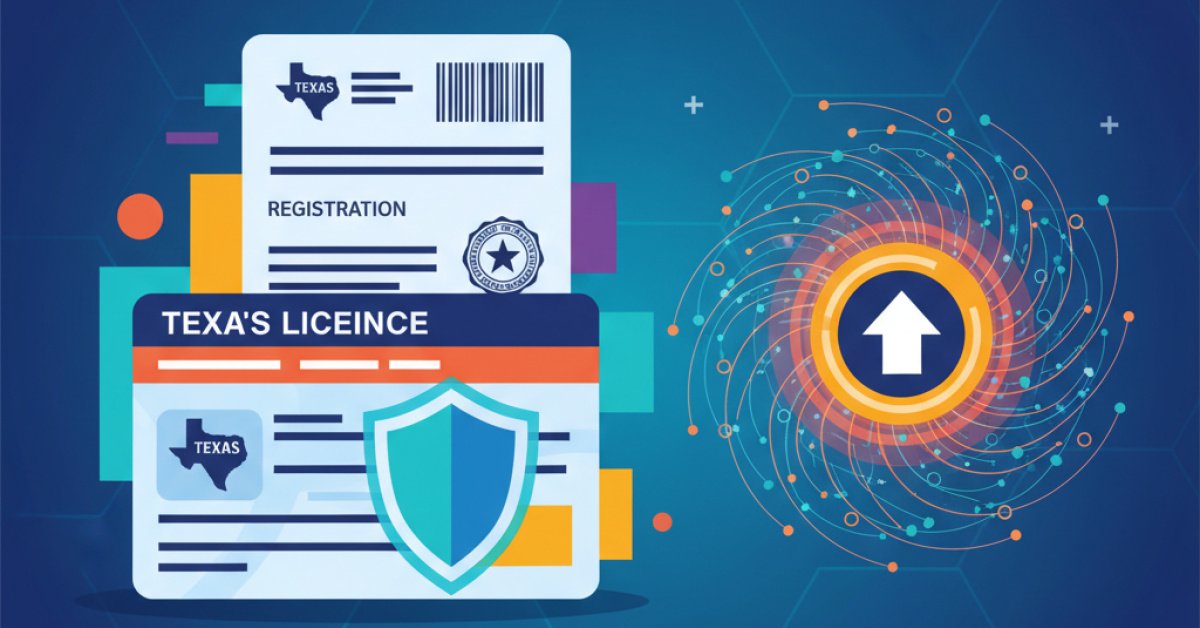
The Texas Department of Motor Vehicles (TxDMV) recently rolled out a pretty significant and abrupt change to its photo identification rules for registering a vehicle or renewing your registration. And frankly, it seems to have caught a lot of people by surprise. This isn't just a minor tweak in policy; it's a fundamental shift that could have a massive ripple effect, especially when it comes to car insurance.
So, let's unpack what’s going on, who this really affects, and why your car insurance agent is probably paying very close attention.
So, What Exactly Changed with the ID Rules?
Okay, let's get right to it. For years, the process was pretty straightforward. You needed to prove who you were to register your car. Makes sense, right? But the list of acceptable IDs was a bit broader.
Now, the TxDMV has gotten much more specific and, honestly, a lot stricter.
The big change is that they are tightening the requirements for the kind of photo identification they'll accept. We're talking about a move toward more secure, state- or federally-issued IDs. This means some forms of identification that might have worked in the past are suddenly off the table.
Think of it like this: You used to be able to show up to a party with a few different friends who could vouch for you. Now, the bouncer at the door is demanding to see one specific type of government-issued ID, and if you don't have it, you're not getting in. No exceptions.
This sudden shift has left a lot of people scrambling and asking, "Why the change?" and more importantly, "Does my ID still work?"
Who Is Most Affected by This New Rule?
Here’s the thing—while this change affects anyone registering a car, it doesn't impact everyone equally. If you have a standard Texas driver's license or a U.S. passport, you're probably fine.
But the group that's going to feel this the most are undocumented residents in Texas.
This new policy effectively closes a door that was previously open. For many undocumented individuals, getting the specific types of ID now required is simply not possible. And if you can't present the right ID, you can't register your vehicle.
And if you can't register your vehicle, you can't legally drive it. It’s a chain reaction. This isn’t a political blog, but from a purely practical and insurance-focused standpoint, this is a huge deal. It creates a massive dilemma for a significant number of people who rely on their vehicles to get to work, take their kids to school, and just live their lives.
The Insurance Ripple Effect: Why This Matters to Every Driver
Okay, so why are we, as insurance folks, so focused on a DMV rule change? Because you absolutely cannot separate vehicle registration from car insurance. They are tied together at the hip.
In Texas, you need to show proof of insurance to register your car. But it works the other way, too. To get an insurance policy, you need a legally registered vehicle. See the problem? It's a classic chicken-and-egg scenario.
If a large group of people are suddenly unable to register their cars, they also become unable to insure them. This leads to a few pretty scary outcomes for everyone on the road:
- A potential spike in uninsured drivers: When people are faced with the choice of not driving at all or driving without registration and insurance, some will choose to risk it. It’s an unfortunate reality. More uninsured drivers on the road means the risk of getting into an accident with someone who can't pay for your damages goes way up.
- Your Uninsured Motorist coverage becomes critical: I’ve always said that Uninsured/Underinsured Motorist (UM/UIM) coverage is one of the most important parts of your policy. Now? I’d say it’s non-negotiable for Texas drivers. This is the coverage that pays for your injuries and your car repairs if you're hit by someone who has no insurance. With the potential for more uninsured drivers, you’re relying on your own policy to protect you.
- Potential rate impacts down the line: Insurance is all about shared risk. When the number of uninsured drivers in a state goes up, the number of claims paid out by insurance companies for UM/UIM also goes up. Over time, that increased cost can get passed on to all drivers in the form of higher premiums.
It’s a domino effect. A rule change at the DMV can end up hitting you directly in the wallet, even if your own ID and registration are perfectly fine.
What Should You Do Now?
This whole situation can feel a little overwhelming, I get it. It’s confusing, and the rules seem to have changed overnight.
If you're concerned about how this might affect you or someone you know, the first step is to get clear on the new requirements. Don't rely on secondhand information. Go directly to the official Texas DMV website to see the updated list of acceptable photo IDs.
If you find that your ID is no longer on the list, you'll need to figure out what your options are for obtaining an approved form of identification.
And for every single driver in Texas, I’d offer this piece of advice: pull out your car insurance policy declaration page right now. Find the section for Uninsured/Underinsured Motorist coverage. Look at your limits. Ask yourself, "If I were hit by someone with zero insurance and my car was totaled and I was injured, would this be enough to cover my medical bills, lost wages, and a new vehicle?"
If you hesitate for even a second, it's time to call your insurance agent. This isn't the place to cut corners anymore. Beefing up your UM/UIM coverage is one of the smartest, most defensive moves you can make to protect your financial well-being on the road.
This is a developing situation, and we’ll be keeping a close eye on it. For now, the best thing we can all do is stay informed, double-check our own documents, and make sure our insurance policies are strong enough to handle the new realities of the road.