If you’re a driver in California, you’ve probably gotten used to one thing when it comes to your car insurance: the price only seems to go up. It feels like every renewal notice brings a little bit of a shock, and never the good kind.
So, when I saw the latest news from State Farm, I had to do a double-take.
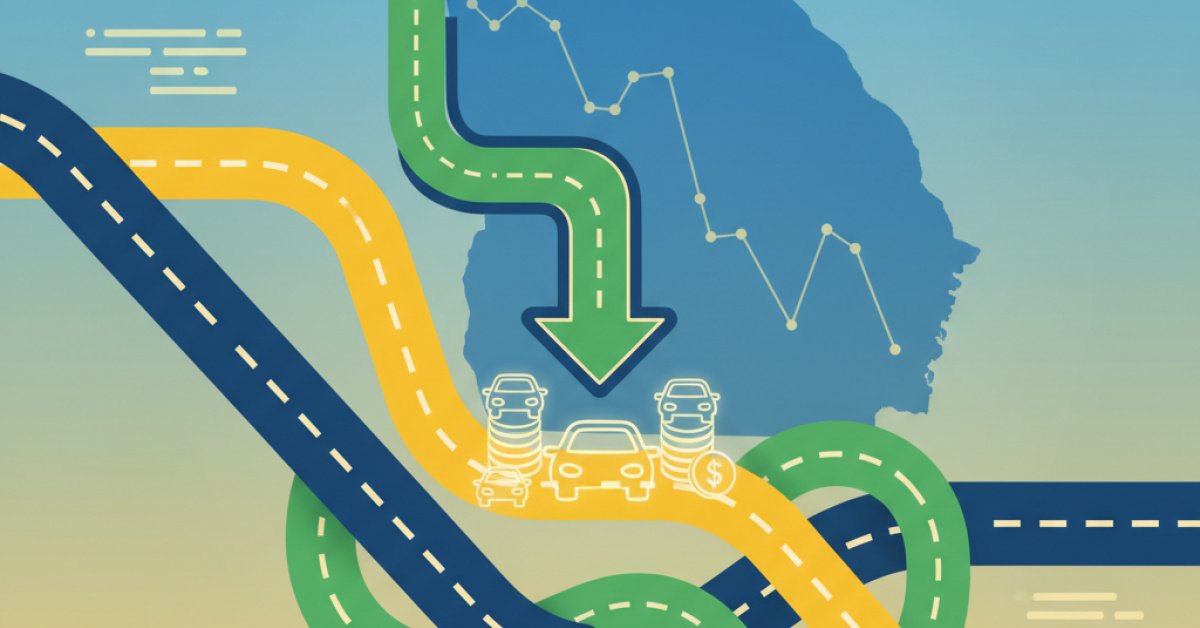
In a move that feels almost unheard of these days, State Farm has actually filed to lower its auto insurance rates in California. Yep, you read that right. They’re proposing a rate reduction. It’s a glimmer of good news in a market that’s been pretty tough on drivers lately. But before we all start planning what to do with the extra cash, let’s break down what’s really going on.
So, What's the Big News Here?
Okay, let's get into the specifics. State Farm Mutual Automobile Insurance Co., one of the biggest players in the game, has officially submitted a rate filing with the state.
The proposal on the table is for a 6.2% overall rate reduction for their personal auto insurance customers.
Now, a "rate filing" isn't a press release or a simple announcement. Think of it like a formal proposal. State Farm can't just decide to change its rates whenever it wants. In a regulated state like California, they have to go to the Department of Insurance, show all their data and calculations, and essentially ask for permission. It’s a long, detailed process designed to protect you, the consumer.
Hold On, Don't Celebrate Just Yet…
This is the part of the conversation where I have to be the voice of reason. While a proposed rate cut is fantastic news, there are a couple of big hurdles to clear before you’ll see any changes on your bill.
First, this is all pending approval from the California Department of Insurance (CDI). The CDI's job is to scrutinize these filings to make sure they're fair and justified. They’ll dig through State Farm’s numbers—things like how many claims were paid out, the cost of repairs, accident frequency—and decide if a 6.2% decrease is appropriate. This isn't a rubber stamp process, and the CDI can approve it, deny it, or ask for changes.
And here’s the second, and maybe bigger, reality check: the timeline.
The targeted effective date for this rate change is February 23, 2026.
Yes, you read that correctly. 2026. We’re still a long way out. These regulatory reviews take a ton of time, and the proposed date reflects just how long that process can be. So, unfortunately, this isn't something that's going to impact your next insurance payment.
Why Would Rates Go Down in California, of All Places?
This is the question that immediately popped into my head. In a state where we've seen other major insurers pull back or pause writing new policies because of costs, why would State Farm propose a cut?
While we don't have the full filing in front of us, we can make some educated guesses. Here’s my take:
- Improved Driving Data: It’s possible that State Farm's data shows their pool of California drivers has gotten safer. Maybe there have been fewer accidents or less severe claims than they originally projected. After years of pandemic-related driving shifts, the numbers could finally be settling in a positive way.
- Strategic Business Move: This could also be a smart competitive play. With the California market in such turmoil, a rate decrease—even a future one—is a powerful way for State Farm to build goodwill and retain loyal customers. It sends a message that they’re stable and committed to the state.
- Correcting a Past Increase: Sometimes, a rate decrease is simply a course correction. Insurers use complex models to predict future losses. If a previous rate hike turned out to be more than they actually needed to cover claims, they might be required by regulators to give some of that back in the form of a rate reduction.
Honestly, it’s probably a combination of all these factors. But whatever the reason, it’s a positive signal in a market that desperately needs one.
What This Really Means for You
Okay, let's bring this back to your wallet. If this 6.2% reduction gets the green light, what could that look like?
It’s important to remember that this is an overall average. It doesn't mean every single State Farm customer will see their bill go down by exactly 6.2%. Your final rate depends on a ton of personal factors—your driving record, your car, where you live, the coverages you have. Some people might see a slightly bigger decrease, and others might see a smaller one.
But for now, the best thing you can do is… well, nothing. This is a "watch and wait" situation. It’s a positive development to keep on your radar, but it’s too far out to factor into your budget just yet.
We’ll be keeping a close eye on how the California Department of Insurance responds to this filing. It’s a story that tells us a lot about the health of the insurance market in the state. For now, let’s just cross our fingers and see it as a potential light at the end of a very long, and very expensive, tunnel.