Ever feel like your insurance bills are on a see-saw? Just when you hear some good news about one policy, another one seems to go up. It can be frustrating, and honestly, a little confusing.
Well, if you're one of the million-plus State Farm customers in Louisiana, you're about to experience this firsthand.
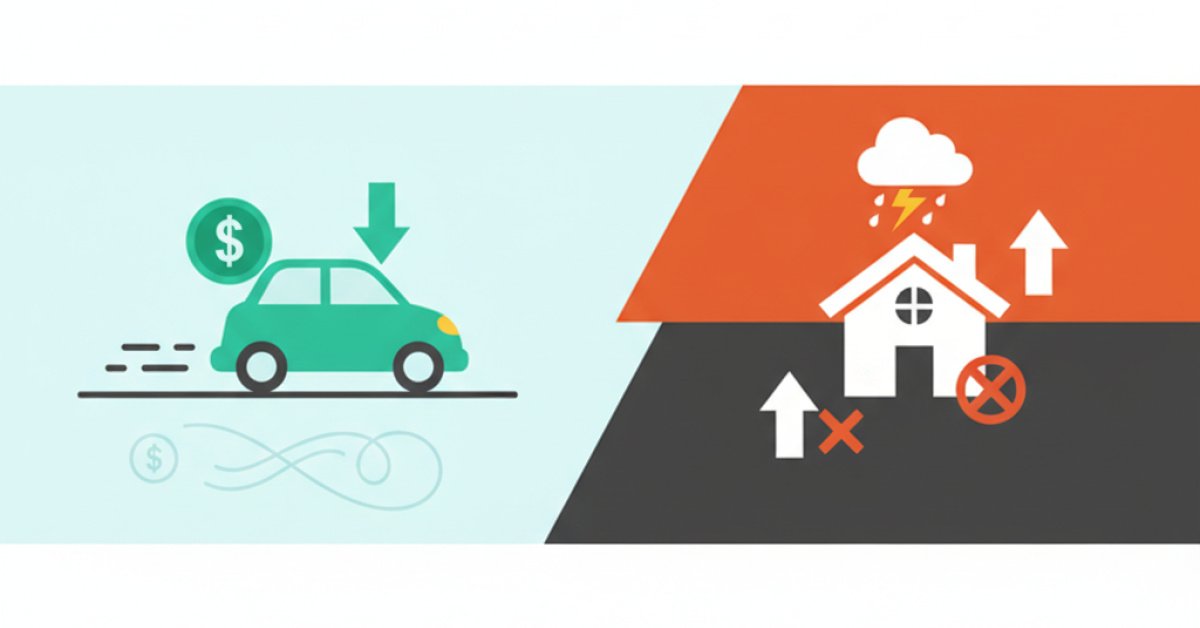
There’s some genuinely good news for your car insurance, but it’s a bit of a mixed bag when it comes to your home. Let's break down what’s happening, why it’s happening, and what it actually means for you and your budget.
First, the Good News: Your Car Insurance Bill is Getting a Little Lighter
Let’s start with the bright spot. Louisiana’s Insurance Commissioner, Tim Temple, just gave the green light to State Farm's request to lower its auto insurance rates.
And it’s not a tiny drop, either. We’re talking about an average decrease of 5.9% across the board.
Now, that word "average" is pretty important. It doesn't mean every single person is going to see their bill go down by exactly 5.9%. Your final rate always depends on your personal details—your driving record, the car you drive, where you live, that sort of thing. Some folks might see a bigger decrease, and some might see a smaller one.
But still, a rate decrease from the state's largest auto insurer is a big deal. It’s a welcome bit of relief that will affect more than a million drivers here in Louisiana. Just don't expect to see the change tomorrow—this new rate is set to kick in sometime in 2026.
Now, for the Other Side of the Coin… Your Homeowners Policy
Okay, take a deep breath. While we're celebrating the auto rate drop, State Farm also filed for a rate increase on its homeowners insurance policies.
I know, I know. It feels like one step forward, one step back. You save a little money on your car, only to potentially spend more on your house.
So, what gives? Why the split decision?
It really comes down to risk, and in the world of insurance, car and home policies live in two completely different neighborhoods. Think of it this way: the risks involved with driving your car are very different from the risks of owning a home, especially here in Louisiana.
Why the Split? A Tale of Two Insurance Markets
It’s easy to lump all insurance together, but what’s happening here is a perfect example of how different markets can behave.
The Auto Insurance Picture is Clearing Up
For a while, auto insurance rates were climbing everywhere. Post-pandemic driving habits, more accidents, and the sky-high cost of parts and repairs made cars incredibly expensive to insure.
A 5.9% decrease from a giant like State Farm suggests that things might be starting to stabilize. Maybe the supply chain for car parts is evening out. Maybe safety features in newer cars are finally starting to make a dent in claim costs. Whatever the reason, the data State Farm presented to the state was strong enough to justify a price cut.
This is a really positive sign. When the biggest player in the market lowers rates, it can put pressure on other companies to do the same to stay competitive.
The Home Insurance Challenge is Still Here
Homeowners insurance in Louisiana is, to put it mildly, a tough business. We all know why. The constant threat of hurricanes, the rising costs of construction materials (think lumber, roofing, and labor), and the sheer expense of rebuilding after a major storm have put immense pressure on insurers.
In recent years, we've seen some companies go out of business or pull out of the state entirely because they just couldn't handle the risk.
So, when State Farm asks for a rate increase on home policies, it’s not happening in a vacuum. They’re responding to the very real and very expensive risks of insuring homes in a coastal state. They have to make sure they have enough money in the bank to pay out all the claims that will inevitably come after the next big storm.
What Does This Actually Mean for Your Wallet?
Alright, let's get down to brass tacks. What should you do with this information?
-
For Your Auto Policy: Keep an eye on your renewal in 2026. You should see some savings, which is fantastic. But this is also a great reminder not to get complacent. Use this as an opportunity to chat with your agent. Are you getting all the discounts you qualify for? Is your coverage still the right fit for your life?
-
For Your Homeowners Policy: Brace for an increase. This is the time to be proactive, not reactive. Don’t wait for the bill to show up in the mail. Call your agent and ask them to walk you through your policy. Are there ways to mitigate the increase? Maybe raising your deductible makes sense, or perhaps you could get a discount for installing a new roof or a security system.
-
Think About the Bundle: If you have your home and auto policies with different companies, now might be the perfect time to look at bundling them with State Farm (or another carrier). The discount you get for bundling could help offset the increase on the home insurance side.
Ultimately, this news is a reflection of the unique and challenging insurance landscape we have here in Louisiana. Seeing a major auto rate decrease is a genuinely hopeful sign that some stability is returning to the market.
It’s a bit of a good news/bad news situation, for sure. But being informed is the first step to making smart decisions about your coverage and your money. So, take a moment to celebrate the auto savings, and then make a plan for your home policy. You’ve got this.