Have you ever bought a used car? It can feel like a bit of a gamble, right? You kick the tires, take it for a spin, and hope the person selling it is telling you the whole truth. You’re trusting that the car is safe and that its history is what they say it is.
But what happens when one of the people meant to guarantee that safety is the one breaking the rules?
It sounds like the plot of a movie, but it just happened in Michigan. A former police detective lieutenant, someone who was supposed to uphold the law, just pled no contest to running a scheme that could have put dangerously unsafe cars back on our roads. This story is a huge deal, and it shines a light on a dark corner of the used car market that directly impacts your safety and your insurance rates.
So, What Exactly is a Salvage Vehicle Inspection?
Let's back up for a second, because terms like "salvage title" and "total loss" get thrown around a lot.
Imagine a car gets into a really bad wreck. The insurance company looks at the damage and says, "Wow, the cost to fix this thing is more than the car is even worth." When that happens, they declare it a "total loss." They pay the owner for the value of the car, and in return, they take possession of the wrecked vehicle.
That car is then issued a "salvage title." Think of it like a permanent brand on the car's record, a warning sign that says, "I was seriously damaged."
Now, here's the thing. Someone can buy that totaled car, often from an auction, and try to rebuild it. But to get it back on the road legally, they can't just slap on some new parts and call it a day. The car has to pass a rigorous inspection by a specially certified official to prove it's been repaired correctly and is safe to drive again. If it passes, it can get a "rebuilt" title.
This inspection is the final, critical checkpoint. It’s the one thing standing between a properly repaired vehicle and a potential death trap on wheels.
How a Trusted Officer Allegedly Broke the System
This is where former Lincoln Township Detective Lieutenant Johnathan Chase comes in. As a police officer, he was also a state-certified salvage vehicle inspector. He was one of those critical gatekeepers.
According to Michigan's Attorney General, Dana Nessel, Chase wasn't actually inspecting the cars. He was just signing the paperwork.
Think about that for a minute. He was allegedly giving the green light to rebuilt vehicles he had never even laid eyes on. He pled "no contest" to a felony count of Misconduct in Office and another for Forgery. (A "no contest" plea isn't an admission of guilt, but it's treated as one for sentencing).
The investigation started with a simple tip, which led state investigators to uncover what was really going on. They found that Chase was rubber-stamping these crucial safety documents, completely bypassing the process designed to protect all of us.
The Ripple Effect: Why This Scam Matters to You
You might be thinking, "Okay, one bad cop in Michigan. Why does this matter to me?" It matters more than you’d think, because this kind of fraud creates dangerous ripples that spread across the country.
Here’s what can happen when these inspections are faked:
- Unsafe Cars Hit the Road: This is the most terrifying part. A car that looks fine on the outside could have a bent frame, faulty airbags, or shoddy structural welds. Without a real inspection, these hidden dangers go unnoticed until it's too late.
- You Could Buy a Lemon (or Worse): An unsuspecting buyer could purchase one of these cars with a "clean-looking" rebuilt title, having no idea it was once a heap of twisted metal. They end up overpaying for a vehicle that’s not only worth less but could be a serious safety risk to their family.
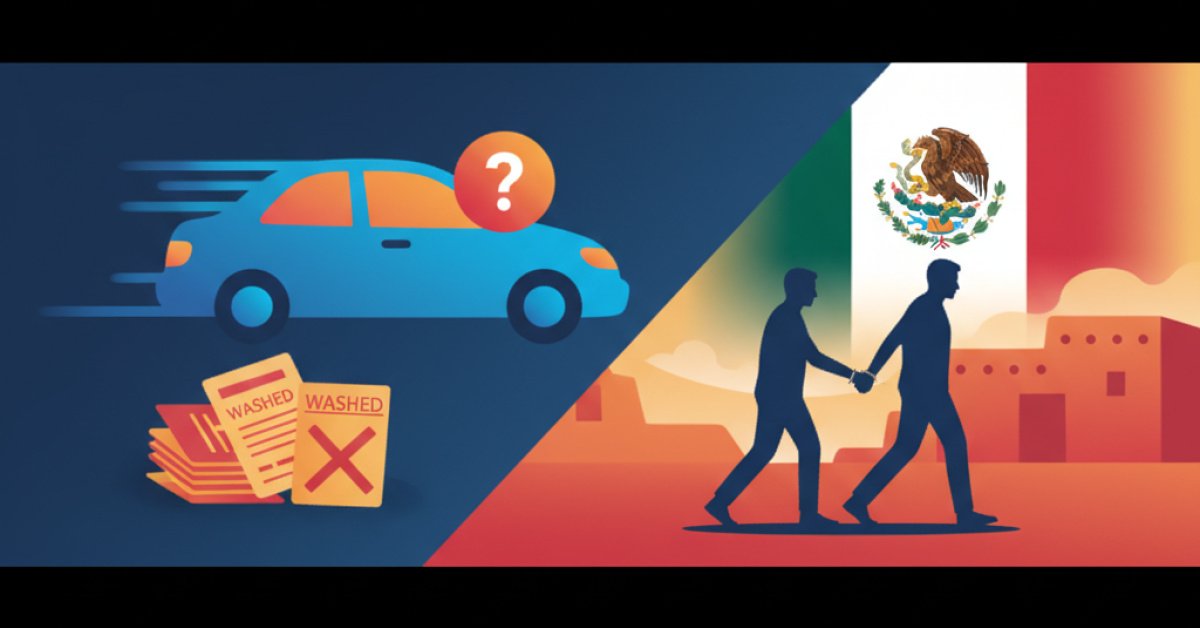
- It Becomes a Haven for Stolen Parts: This is a big one for insurance companies. These schemes can be used to "launder" stolen vehicles and parts. Criminals can use the VIN (Vehicle Identification Number) from a legally purchased salvage car and attach it to a stolen car of the same model, using the fake inspection to get a legitimate-looking title.
- Your Insurance Premiums Go Up: Yep, it all comes back to our wallets. Insurance fraud isn't a victimless crime. When companies have to pay out for claims related to stolen cars, or when they unknowingly insure a vehicle that's worth a fraction of its stated value, those losses get passed on to all of us in the form of higher premiums.
As Attorney General Nessel put it, a law enforcement officer taking part in a criminal scheme is a "severe breach of public trust." She's absolutely right. We rely on these systems and the people who run them to keep things fair and safe. When that trust is broken, everyone is at risk.
This whole situation is a stark reminder to be careful out there. If you're ever in the market for a used car, especially one with a rebuilt title, do your homework. Get an independent mechanic to look it over. Run a vehicle history report. Trust the professionals, but always, always verify. It’s your money, and more importantly, it’s your safety on the line.