Imagine waking up one morning, grabbing your coffee, and looking out the window to see that your car… well, it looks like it’s melting. The paint is bubbled, streaked, and peeling away. You’d probably think you were still dreaming, right?
Well, for about 260 people in Garnett, Kansas, this wasn't a dream. It was a very real and very strange reality.
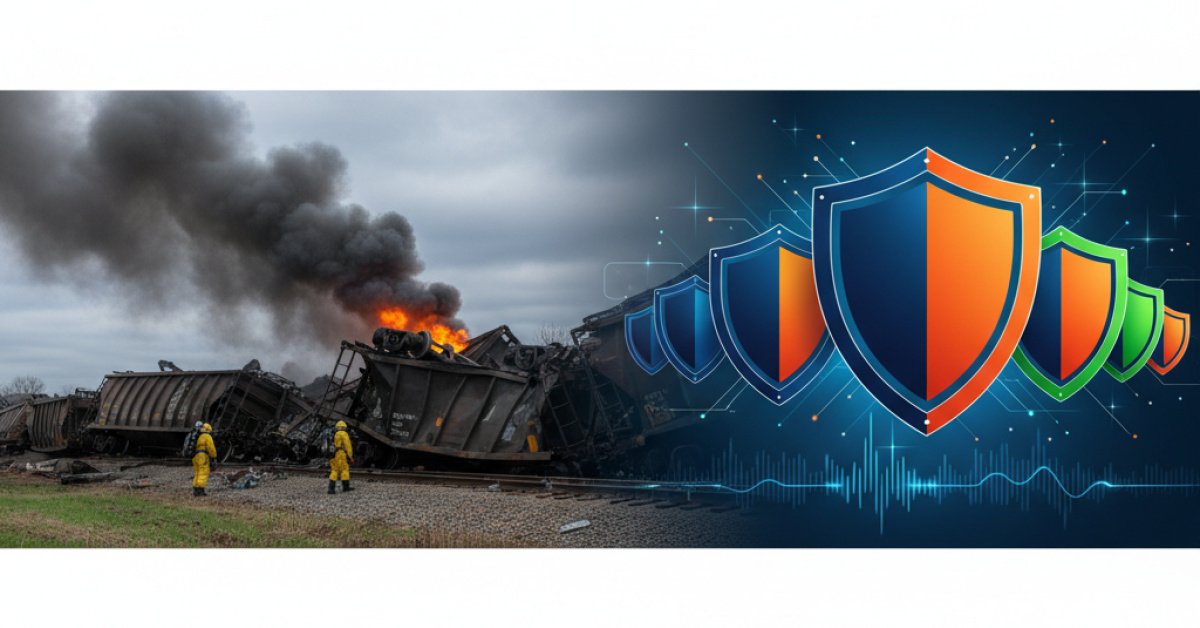
On New Year's Eve of 2025, a chemical compound was accidentally spilled in the town. For weeks, no one was quite sure what it was. But the EPA recently confirmed with a "high level of confidence" that the substance was sodium aluminate—a corrosive compound that, as you might guess, does terrible things to a car's finish.
This story is bizarre, for sure. But as an insurance writer, my first thought wasn't about the chemical. It was about the phone calls. The frantic, confused calls from car owners to their insurance agents, all asking the same question: "Am I covered for this?"
Let's unpack that, because this weird event in Kansas is the perfect real-world lesson in why a certain part of your auto policy is so incredibly important.
So, What Exactly Happened in Kansas?
First, let's get the details straight. We're talking about a spill of sodium aluminate in a small town. This isn't some rare, exotic substance; it's actually used in things like water treatment and construction. But when it ends up aerosolized and lands all over a few hundred cars, it becomes a major problem.
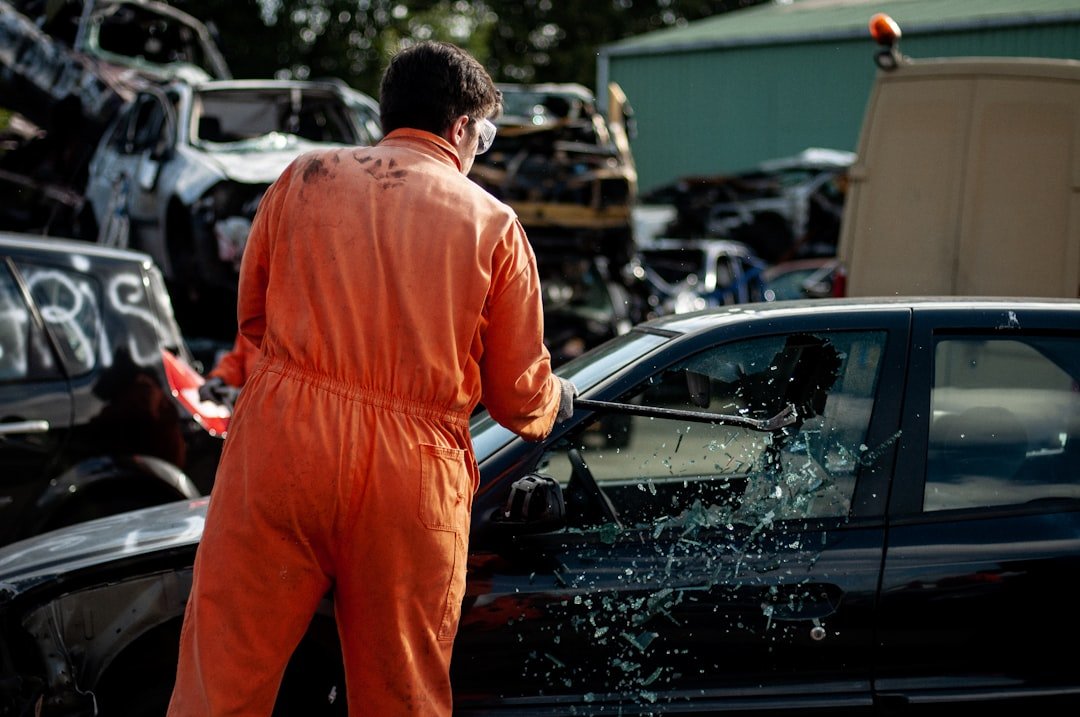
The residents were left with vehicles that looked like they’d been through an acid bath. We're talking serious, widespread cosmetic damage. And when your car's paint and clear coat are compromised, it's not just ugly—it can lead to rust and a massive drop in your car's value.
This wasn't a car crash. No one hit anybody. A tree didn't fall. It was just… stuff falling from the sky. This is where your auto insurance policy gets put to the test.
The Big Question: Who Pays for the Damage?
When something damages your car, your mind immediately goes to insurance. But which part? This is where a lot of people get tripped up.
This Kansas spill is a textbook example of a comprehensive claim.
You’ve probably heard the term, but it can be a little fuzzy. I like to call comprehensive coverage the "weird stuff and acts of God" policy. It’s the part of your auto insurance that covers damage to your car from things that aren't a collision.
Think of it like this:
- Collision Coverage: You hit another car, a pole, a fence, or you roll your car. You collided with something. Simple enough.
- Comprehensive Coverage: This is for almost everything else.
A chemical spill absolutely falls under that "everything else" category.
What Else Does Comprehensive Cover?
This is the coverage that springs into action for all sorts of non-driving mishaps. It’s a surprisingly long list, and it includes some of the most common claims we see:
- Theft: Someone steals your car.
- Vandalism: Someone keys your door or spray-paints your hood.
- Fire: Your car catches fire, either from a mechanical issue or an external source.
- Natural Disasters: Floods, hail, hurricanes, tornadoes, you name it.
- Falling Objects: A tree branch, a piece of debris from a construction site, or, you guessed it, a mysterious chemical.
- Animal Collisions: Hitting a deer is a comprehensive claim, not a collision claim. (I know, it’s weird, but that’s how it works!)
- Glass Damage: A rock flies up from the highway and cracks your windshield.
Seeing that list, you can understand why it’s so critical. The drivers in Garnett, Kansas, are relying on their comprehensive coverage to make them whole again.
How a Claim Like This Actually Works
Okay, so let's say you're one of the unlucky car owners in Garnett. You've got your policy, and you’re pretty sure you have comprehensive. What happens next?
The process is fairly straightforward, but it’s stressful, so it helps to know the steps.
- Document Everything: First thing you do is pull out your phone. Take pictures. Take videos. Get shots of the damage from every angle, both up close and from a distance. The more evidence you have, the smoother the claims process will be.
- Call Your Insurer ASAP: Don't wait. The moment you realize there's damage, call the claims number on your insurance card or open up your insurer's mobile app. The person on the other end will walk you through the initial steps and get your claim started.
- Meet the Adjuster: Your insurance company will assign an adjuster to your case. They'll likely come out to inspect the vehicle in person or have you take it to an approved body shop. Their job is to assess the extent of the damage and estimate the cost of repairs.
- Repair or Replace? The adjuster will determine if the car can be repaired for less than its actual cash value. For something like this, it would likely mean a complete, top-to-bottom new paint job, which is incredibly expensive. If the repair cost exceeds the car's value, the insurer will declare it a total loss and cut you a check for the car's value (minus your deductible).
- Pay Your Deductible: This is the part everyone forgets. Comprehensive coverage has a deductible, which is the amount you pay out of pocket before the insurance company pays the rest. If the repair bill is $5,000 and your deductible is $500, you pay the first $500, and your insurer covers the remaining $4,500.
What if You Don't Have Comprehensive Coverage?
This is the scary part. If a driver in this situation only had liability insurance (the bare minimum required by law), they’d be in a really tough spot.
Liability insurance only pays for damage you cause to other people's property and their injuries. It does absolutely nothing for your own car.
Without comprehensive, your options are grim. You could either pay for the expensive repairs entirely out of your own pocket or try to seek payment from the party responsible for the spill. The latter involves lawyers, time, and no guarantee of success. It’s a long, frustrating road.
This is why I always tell friends and family that if their car is worth more than a few thousand dollars, comprehensive coverage is a no-brainer. It’s usually not the most expensive part of your policy, but it protects you from the huge, unexpected events that can pop up out of nowhere.
The folks in Kansas didn't wake up expecting a chemical to ruin their cars. You don’t expect a tree to fall on your SUV or a deer to jump in front of you on a dark road. But these things happen. Every single day. And when they do, having the right coverage feels less like an expense and more like the smartest money you’ve ever spent.