I’ve been in the insurance world for a long time, and I’ve seen a lot of trends come and go. But I’ve got to be honest, what’s happening with Generative AI and cyber risk feels… different. It feels bigger, faster, and a whole lot scarier.
We’ve all been playing around with tools like ChatGPT, right? It’s amazing for writing emails or brainstorming ideas. But here’s the unsettling part: the very same technology that helps us be more productive is also handing cybercriminals a super-powered toolkit on a silver platter.
And that has created a massive, looming problem for the insurance industry. Experts I talk to are genuinely worried. They’re warning that AI is cranking up the speed and sophistication of cyberattacks so fast that the insurers designed to protect us are struggling to keep their heads above water. It’s like they’re trying to build a dam while the floodwaters are already rising.
So, How Are the Bad Guys Using AI?
Let’s get specific, because this isn’t some far-off sci-fi scenario. This is happening right now. Think of Generative AI as the world’s most brilliant, and most malicious, intern for a hacker.
Before AI, you could often spot a phishing email a mile away because of bad grammar or weird phrasing. Not anymore. Now, a criminal can use AI to instantly generate thousands of perfectly written, highly personalized emails that sound exactly like they came from your boss or your bank. They can even mimic a person's writing style. It’s terrifyingly effective.
But it gets worse. Hackers are using AI to:
- Write Malicious Code: Someone with very little coding skill can now ask an AI to write malware or ransomware from scratch. It’s like giving a toddler the keys to a tank.
- Find Vulnerabilities Faster: AI can scan systems and networks for weaknesses at a speed no human ever could, identifying the easiest way to break in.
- Overwhelm Defenses: They can launch "smart" attacks that adapt in real-time. If one method of attack is blocked, the AI can pivot and try something else instantly.
Basically, AI is making cybercrime cheaper, easier, and more scalable than ever before. The barrier to entry for becoming a dangerous hacker has just been lowered to almost nothing.
Why This Is a Nightmare for Insurers
Okay, so the threats are getting bigger. But isn't that what insurance is for? Well, yes, but the entire foundation of insurance is built on a principle that AI is currently blowing to bits: using the past to predict the future.
The Old Playbooks Are Useless
Think about how an underwriter prices a cyber policy. They look at years of historical data on breaches, claims, and risks. They build these complex models to figure out the probability of a company getting hit and how much it might cost.
But with Gen AI, the past is no longer a reliable guide. The types of attacks we’ll see in six months might look nothing like the ones we’re seeing today. The data from last year is practically ancient history. It’s like trying to navigate a new city using a map from the 1980s. You’re going to get lost, fast.
A Problem of Speed and Scale
There's a fundamental mismatch in speed here. A hacker can use AI to develop and launch a brand-new attack in a matter of hours. How long does it take an insurance company to develop a new policy, get it approved by regulators, and roll it out? Months. Maybe even a year.
The bad guys are operating on a Silicon Valley timeline, while the insurance industry is, by its very nature, slow and deliberate.
And then there’s the issue of scale, or what we in the industry call "accumulation risk." Imagine a single AI-powered tool is used to launch a ransomware attack against every company that uses a specific piece of software. An insurer might suddenly face thousands of catastrophic claims all at once, from all over the world. It’s a concentration of risk that could be financially devastating, and it’s a scenario that keeps executives up at night.
Is the Insurance Industry Just Giving Up?
It might sound like I’m painting a picture of doom and gloom, but it’s not quite that simple. The industry isn’t just sitting back and waiting for disaster. It’s fighting back, but it’s an uphill battle.
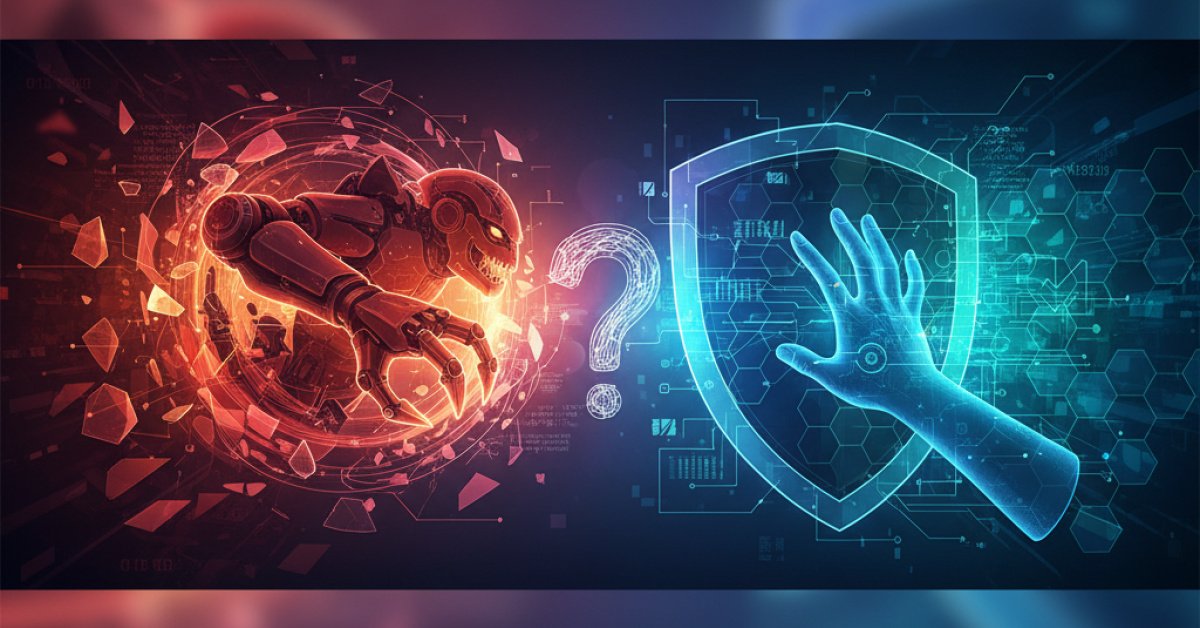
This has become an AI-versus-AI arms race.
Insurers and cybersecurity firms are also using AI as a defensive weapon. They’re building sophisticated systems that can monitor networks for unusual activity, predict potential attacks before they happen, and identify new threats in real-time. The hope is that "good" AI can outsmart "bad" AI.
We're also seeing a major shift in what it takes to even get a cyber insurance policy. The days of simply filling out a form are over.
Now, you can expect an intense grilling from underwriters. They want to know everything about your security protocols. Are you training your employees to spot AI-generated phishing scams? Do you have multi-factor authentication on everything? What’s your incident response plan? If you don’t have good answers, you can expect to be hit with sky-high premiums, or even be denied coverage altogether. Policies are getting stricter, with more exclusions and lower limits.
Where Do We Go From Here?
So, are insurers falling behind? In a way, yes. The threat is evolving faster than any large, regulated industry can reasonably be expected to move. It’s a massive challenge, and frankly, nobody has all the answers yet.
But the game isn't over. This is forcing a much-needed evolution in the world of cyber insurance. It’s pushing insurers to become more than just financial backstops; they’re having to become true risk management partners, deeply involved in their clients' security posture.
For you, whether you’re a business owner or just someone trying to understand this new world, the takeaway is clear: you can't just outsource your risk to an insurance policy anymore. The front line of this new cyber battleground is your own preparedness. This new reality demands that we all become smarter, more vigilant, and more proactive about security. Because in the age of AI, the threat isn't just knocking at the door—it's already learned how to pick the lock.