Have you ever felt like you’re getting mixed signals? That’s kind of what’s happening in the cyber insurance world right now, and honestly, it’s a bit of a head-scratcher.
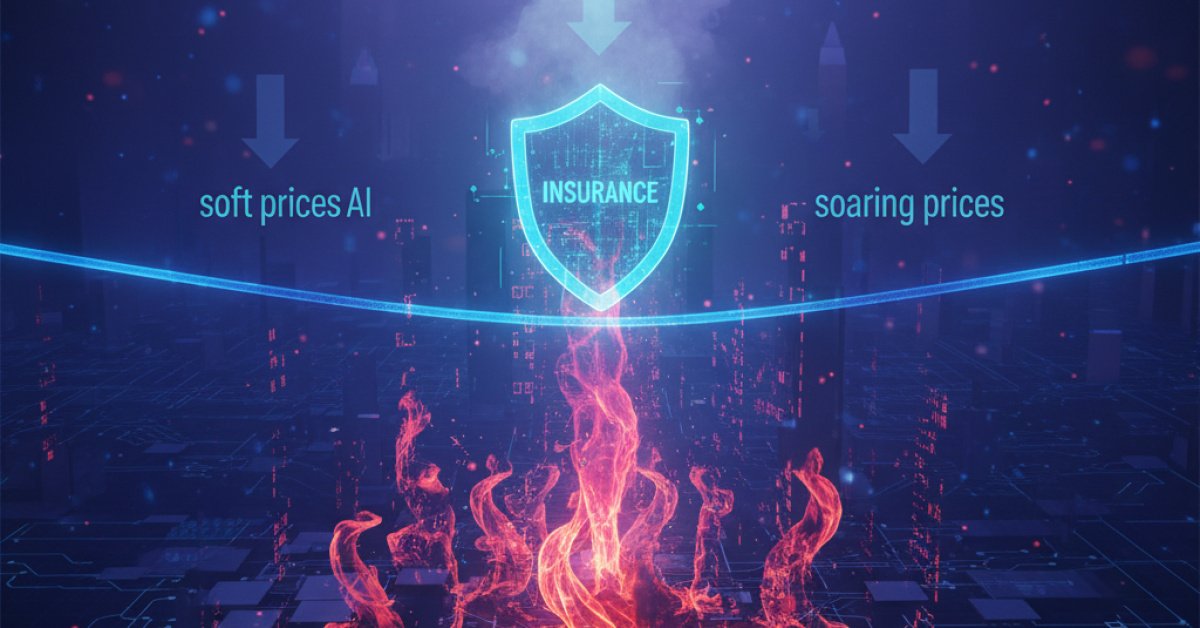
On one hand, the headlines are full of scary new cyber threats, many of them supercharged by artificial intelligence. You’d think that would send insurance premiums through the roof, right? But on the other hand, the market is what we call “soft.” That’s industry-speak for prices being flat, or even dropping in some cases.
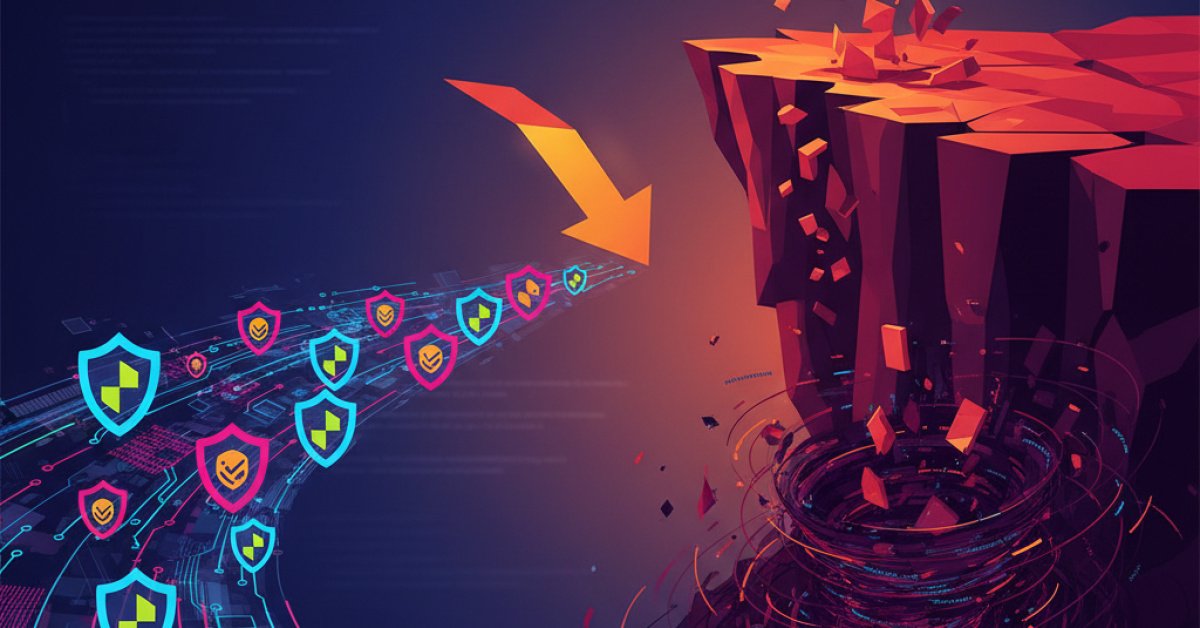
So, what gives? We’ve got rising risks and rising claims, but pricing isn’t really keeping pace. It feels like we're all walking a tightrope, trying to find some balance. Let’s unpack what’s really going on, because it affects anyone who buys, sells, or just relies on cyber insurance.
So, Is AI the Villain or the Hero Here?
Let's talk about the elephant in the room: AI. It’s completely changing the game, and not always for the better.
Think about it. Hackers are now using AI to craft incredibly convincing phishing emails that can trick even the most careful employees. They’re creating deepfake videos and audio to impersonate executives and authorize fraudulent wire transfers. AI is basically giving the bad guys a massive upgrade, allowing them to launch more sophisticated attacks, faster and at a larger scale than ever before. It’s a scary thought.
But here’s the twist: AI isn’t just a tool for the villains. It’s also becoming a powerful weapon for the good guys.
Insurers and cybersecurity firms are using AI to get smarter, too. They’re building systems that can detect threats in real-time, analyze vulnerabilities across a company’s network, and predict where the next attack might come from. It’s helping underwriters make much better decisions about who to insure and at what price.
So, you see the dilemma? It's a classic arms race. Both sides are leveling up at the same time, and it makes figuring out the actual level of risk incredibly complicated.
Why Are Prices Soft When Risks Are Spiking?
This brings us to the pricing puzzle. If AI is making the world a more dangerous place, why aren't cyber insurance rates skyrocketing?
A couple of years ago, the market was in chaos. Ransomware attacks were out of control, and insurers were bleeding money. They responded by massively hiking prices and demanding that businesses get their security in order. They started requiring things like multi-factor authentication (MFA) and endpoint detection and response (EDR) as a bare minimum for coverage.
And you know what? It worked. For a while.
Those stricter underwriting standards helped weed out the riskiest clients and forced everyone to improve their cyber hygiene. Claims started to stabilize, and the market cooled off. New insurance companies jumped into the space, increasing competition. This combination of better security and more competition is what led to the "soft" market we’re in today.
But it feels a bit like the calm before another storm. The underlying risks didn't go away; they just evolved.
But Wait, Aren't Claims Still a Huge Problem?
Yes, they absolutely are. And this is where the tension really starts to build.
While the frequency of claims might have leveled off for a bit, the severity is creeping back up. Ransomware is back with a vengeance. The cybercriminals took a breather, regrouped, and came back with more advanced tactics. We're seeing a significant uptick in the number of ransomware attacks, and the costs to recover from them are brutal.
So you have this strange dynamic:
- Insurers: "We've got better underwriting and more competition, so we can offer better prices."
- Reality: "But the attacks that do get through are more damaging and expensive than ever."
You can see how that’s not sustainable, right? You can't have prices going down while the cost of claims is going up. Something has to give. It’s like trying to fill a leaky bucket with a slow-dripping faucet. Eventually, the bucket is going to be empty.
Where Do We Go From Here?
This is the million-dollar question everyone in the industry is asking. The cyber insurance market is desperately searching for a new normal, a stable ground where prices accurately reflect the real-world risk.
I don’t think we’re going to see the wild price swings of a few years ago. The market is more mature now. But we are likely to see a gradual correction. Insurers are realizing that the soft pricing can’t last forever if claims continue to climb. They’re getting smarter about using data and, yes, AI, to understand the nuances of risk for each individual client.
The days of just checking a few boxes on a security questionnaire are over. Underwriting is becoming a much more dynamic and continuous process.
Ultimately, we're all in this together. Businesses need to stay vigilant and continuously invest in their defenses, and insurers need to provide stable, predictable coverage that helps them do that. It’s a partnership. The market might be walking a tightrope right now, but the goal is to get to the other side stronger and more resilient than before. It won’t be a straight line, but finding that balance is what will define the next chapter for cyber insurance.