Have you seen that story about Ford? It’s one of those things that makes you nod and say, “Yep, that makes sense.”
Apparently, they were running into some stubborn quality control issues with their cars. Their first move was to throw a ton of modern tech at the problem—AI, sophisticated programming, you name it. But it wasn't working. The AI, for all its processing power, was missing the nuances.
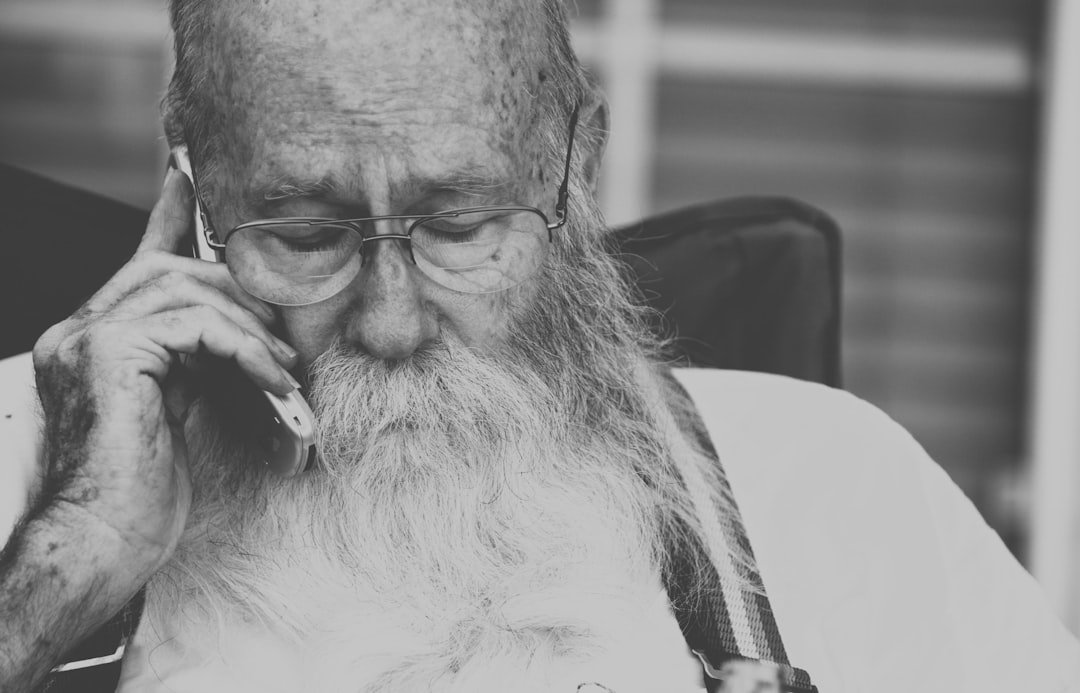
So, what did they do? They went back to basics. They started rehiring what they affectionately call their “gray beard” engineers—the seasoned veterans who had retired. Their new job? To train the younger staff and, more importantly, to teach the AI what it was missing.
I read that and I couldn't help but think, "Wow, that's the insurance industry in a nutshell right now." We’re all chasing the shiny new object of AI and automation, but this story from the factory floor at Ford is a powerful reminder of a truth we can’t afford to forget.
The Shiny Promise of Insurtech (And Its Glitches)
Let's be honest, the appeal of AI in insurance is massive. And for good reason! The idea of using technology to streamline underwriting, process claims faster, and analyze risk with pinpoint accuracy is a game-changer. We're talking about turning a week-long underwriting process into a few minutes. Who wouldn't want that?
Insurtech promises to make us faster, smarter, and more efficient. It’s like giving a master chef a whole kitchen full of futuristic gadgets. The potential is incredible.
But here’s the thing Ford discovered: a tool is only as good as the person using it. And sometimes, the tool just isn't the right one for the job. We're starting to see the little hiccups, the digital stumbles, where the logic of an algorithm clashes with the messy reality of human life.
Think about it:
- An automated underwriting system denies a small business owner's application because their industry is flagged as "high-risk," completely missing the fact that this specific owner has 20 years of flawless experience.
- A claims chatbot offers a scripted, unhelpful apology to a homeowner who just lost everything in a fire, failing to provide the empathy and guidance they desperately need.
- A fraud detection algorithm flags a legitimate, but unusual, claim because it doesn't fit the expected pattern, causing delays and frustration for a customer in a time of crisis.
The AI is doing exactly what it was programmed to do—follow the rules. But insurance has never just been about rules. It’s about the exceptions. It's about context.
Here Come Our "Gray Beards"
This is where our own version of the “gray beard” engineers comes in. In our world, they’re the 30-year veteran underwriters, the seasoned claims adjusters, and the brokers who have seen it all.
These folks have a type of intelligence that you just can't code. It’s a gut feeling, an intuition built from looking at thousands of applications and handling thousands of claims.
I once worked with a senior underwriter, a guy named Mike. He could look at a commercial property application and just know if something was off. The numbers would all look fine, the paperwork would be perfect, but he’d get a feeling. He’d pick up the phone, ask a few disarmingly simple questions, and uncover a moral hazard risk that no algorithm on earth would have ever caught.
That’s not magic. That’s wisdom. It’s the human ability to recognize patterns, read between the lines, and understand motivation. It’s the “art” of insurance, not just the science. And as we race to automate the science, we’re at serious risk of losing the art.
The Real Job: Teaching the Machines to Be More Human
The lesson from Ford isn't to abandon technology and go back to paper files and filing cabinets. Not at all. The lesson is that the true role of our most experienced people is evolving.
Their most important job in the coming decade won't just be to underwrite the most complex risks or handle the toughest claims. It will be to teach the machines how to think.
Think of it this way. You can’t just give an AI a rulebook and expect it to become a great underwriter. You need to give it a mentor. You need a human expert to sit beside it (metaphorically, of course) and walk it through the real world.
This means:
- Feeding it the weird stuff: The "gray beards" can provide the AI with thousands of real-life edge cases and complex scenarios that don't fit the standard mold.
- Correcting its mistakes: When the AI gets it wrong, a human expert needs to be there to not only fix the error but to explain why it was an error. This is how the machine learns context.
- Translating intuition into data: This is the hardest part, but the most crucial. The experts can help data scientists understand the "why" behind their gut feelings, helping them build smarter, more nuanced algorithms.
The goal isn't to choose between human experience and artificial intelligence. It's to fuse them. It’s about creating a partnership where AI handles the heavy lifting of data analysis and routine tasks, freeing up our human experts to focus on the things that require judgment, empathy, and wisdom.
So, What Does This Mean for Us?
This shift has real-world implications for everyone in the industry.
If you’re a broker or an agent, your value is skyrocketing. Don't worry about being replaced by a website. Your ability to listen to a client, understand their unique situation, and provide genuine counsel is something AI can't replicate. Lean into being the human expert. Use the tech as a tool, but remember that you are the trusted advisor.
If you’re a carrier, don't just give your retiring veterans a gold watch and a handshake. You are letting your most valuable asset walk out the door. Create mentorship programs, consulting roles, and platforms where they can actively participate in training your AI systems. Their knowledge is the ghost in the machine that will make your tech investments actually pay off.
The future of insurance isn't a sterile, fully-automated world. It's one where technology enhances human expertise, not replaces it. Ford learned that to build a better car, they needed the wisdom of their most experienced engineers to guide their smartest tools.
We need to learn the same lesson. To build a better, smarter, and more responsive insurance industry, we need to put our own "gray beards" in the driver's seat.