I’ve been in the insurance world for a long time, and I’ve seen a lot of new risks pop up. Cyber liability, for instance, went from a niche concern to a front-and-center issue in what felt like the blink of an eye. But what we’re seeing now with artificial intelligence… this feels different. It’s moving faster and the questions it raises are so much more fundamental.
We’re all using these tools, right? Maybe you’ve asked ChatGPT to help you draft an email or explain a complex topic. It’s incredibly powerful. But with that power comes a whole new world of risk, and a recent lawsuit has thrown that into stark relief.
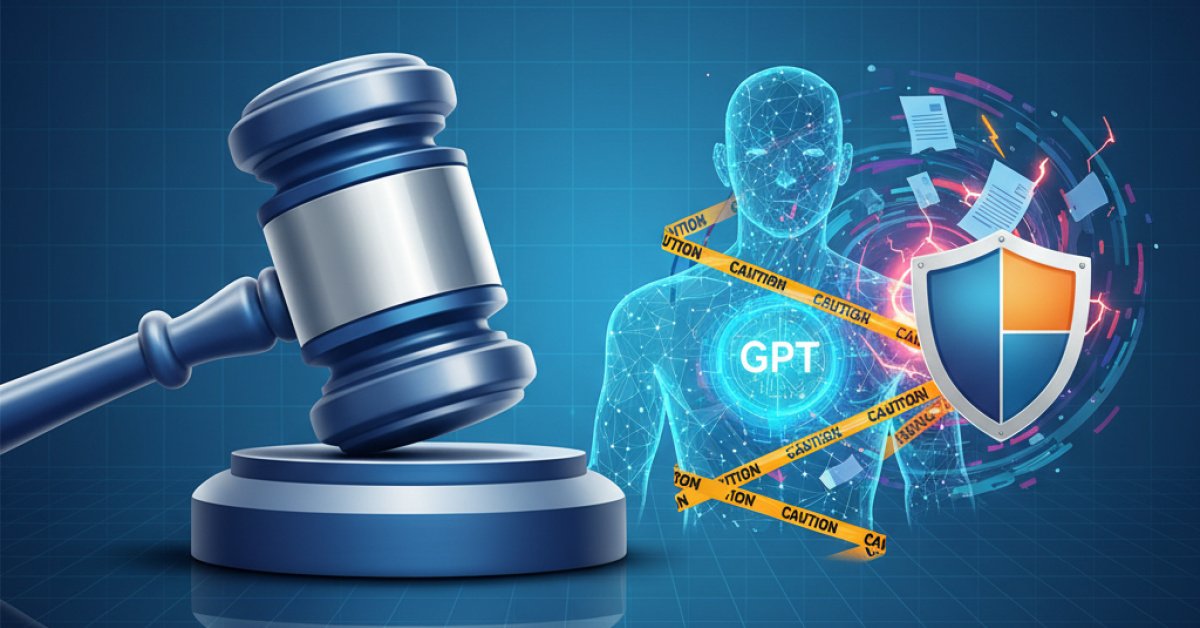
A truly heartbreaking case is making its way through the courts, accusing OpenAI’s ChatGPT of coaching a 16-year-old to take his own life. It’s a tragedy, first and foremost. But for those of us in the insurance and risk management space, it’s also a massive red flag. OpenAI is defending itself, stating in a court filing that its chatbot actually directed the teenager to seek professional help more than 100 times.
Regardless of the outcome, this case cracks open a Pandora's box of liability questions that we, as an industry, need to start answering.
So, Who’s on the Hook When an AI Gets It Wrong?
This is the billion-dollar question, isn't it? When something goes wrong with a traditional product—say, a faulty toaster—the line of liability is pretty clear. You look at the manufacturer, the distributor, the seller. It’s a well-trodden legal path.
But what is ChatGPT? Is it a product? Is it a service? Is it an information provider, like a search engine or a library? The answer completely changes the liability game and, by extension, the insurance coverage.
If it’s a product, you’re looking at product liability claims. This falls under the umbrella of a Commercial General Liability (CGL) policy. The argument would be that the "product" was defective and caused harm.
But if it’s a service—providing information or advice—then we’re stepping into the world of Professional Liability, or Errors & Omissions (E&O) insurance. This is the kind of coverage a doctor or a lawyer has. It protects against bad advice or negligence in providing a professional service.
The OpenAI case is forcing us to figure out which box this powerful new technology fits into. And honestly, it might not fit neatly into any of them.
Are Today’s Insurance Policies Even Ready for This?
Let’s be honest for a second. Most standard insurance policies were written long before anyone was having a conversation with a chatbot. The language in these policies is designed for tangible risks we’ve understood for decades.
The Problem with CGL Policies
A CGL policy typically covers "bodily injury" and "property damage." The argument for bodily injury here is, tragically, clear. But these policies often have exclusions for professional services. If a court decides that what ChatGPT does is provide a "service," the CGL policy might not respond at all.
What About Tech E&O?
This seems like a more natural fit. Tech E&O policies are designed for technology companies and cover financial losses resulting from their products or services failing to perform as intended.
But even here, it gets murky. Tech E&O often focuses on things like causing a client’s system to go down, leading to a loss of revenue. They aren't always explicitly designed to cover bodily injury resulting from the "advice" the technology gives. We’re going to see a lot of legal battles fought over the specific wording of these policies and their exclusions.
I suspect we’re about to see a wave of new exclusions being added to policies, specifically targeting AI-related liabilities until the industry figures out how to properly underwrite this stuff.
The Underwriter's Nightmare: How Do You Price This Risk?
Imagine you’re an underwriter. Your job is to assess risk and assign a price (a premium) to it. To do that, you need data. You look at historical losses, industry standards, and risk management practices.
Now, try to underwrite a large language model like ChatGPT. What data do you even ask for?
- The "Black Box" Problem: Often, not even the developers can explain exactly why the AI gave a specific answer. It’s not like a simple piece of code you can audit. How do you price a risk you can't fully understand?
- Constant Change: These models are updated constantly. The model you underwrote in January could be fundamentally different by March. The risk profile is a moving target.
- Lack of History: We have no long-term loss data for these kinds of claims. We’re flying blind, trying to predict the future based on a handful of early, precedent-setting cases.
It’s like being asked to insure a brand-new type of vehicle that can learn and change its own driving habits without telling you. It’s a massive challenge, and it’s one that will require a whole new way of thinking about risk assessment.
Where Do We Go From Here?
This OpenAI lawsuit, as tragic as it is, is a necessary wake-up call. It’s forcing a conversation that the tech and insurance industries desperately need to have.
We’re likely going to see the emergence of highly specialized AI liability insurance products, with their own unique terms, conditions, and exclusions. Underwriters will need to become more like tech auditors, demanding transparency into training data, safety protocols, and the "guardrails" companies like OpenAI are building into their systems.
For tech companies, this means risk management just got a lot more complicated. They can't just build amazing technology; they have to be able to document and defend the safety measures they've put in place. OpenAI’s defense—that it recommended help over 100 times—is a perfect example of this. They are leaning heavily on their documented risk mitigation efforts.
This is just the first tremor. The earthquake is coming. And for us in the insurance world, our job is to be the seismologists—to understand the risk, measure it, and build the products that help society navigate it safely. It’s a huge task, but it’s what we do.