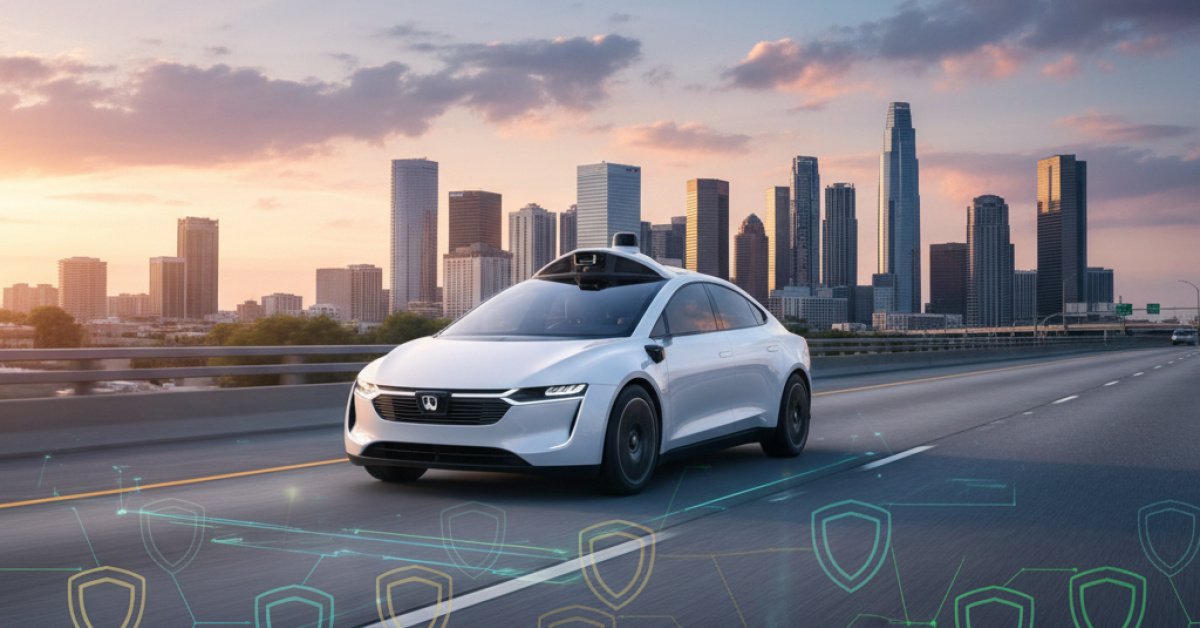
Have you seen one yet? A car cruising down the street with no one in the driver's seat? It feels like something straight out of a sci-fi movie, but for companies like Waymo, it’s the very real future they’re building.
But not everyone is ready to hand over the keys just yet. And that's exactly what's happening up in Boston.
City councilors there are pumping the brakes, and hard. They're looking at a new rule that could throw a major wrench in the plans for these autonomous ride-sharing services. It’s a classic showdown between exciting new tech and old-fashioned caution, and it has massive implications for all of us, especially when it comes to insurance.
So, What Exactly is Boston Proposing?
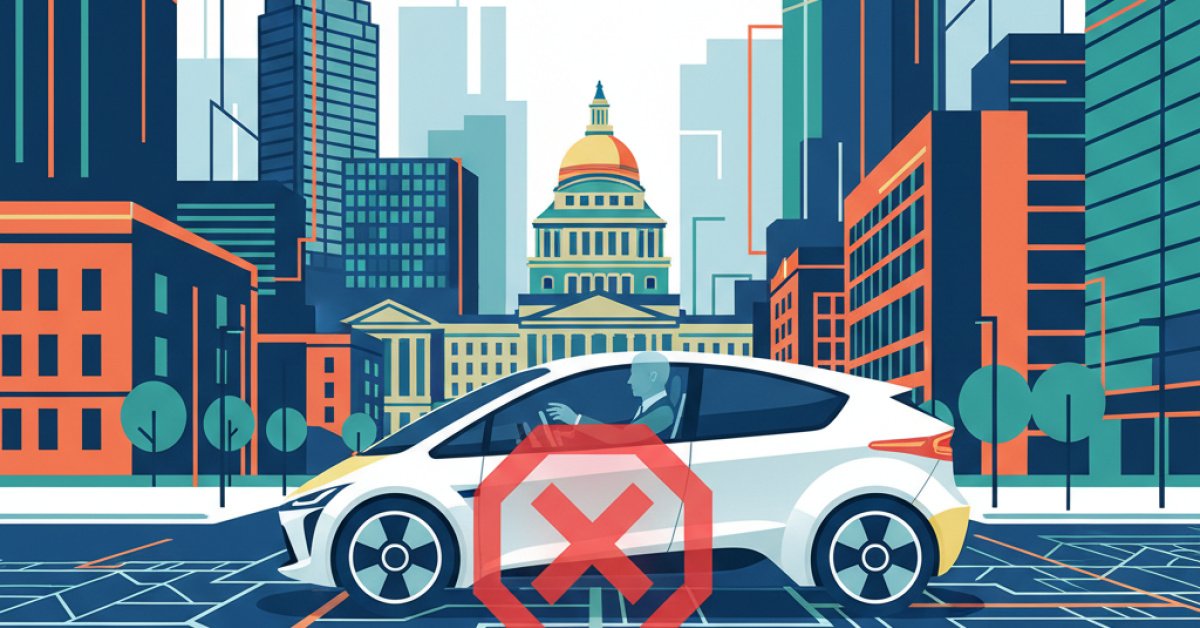
Let's get right to it. The proposal on the table in Boston is pretty straightforward, but its impact is huge. City councilors want to pass an ordinance that would require any autonomous ride-share vehicle—think a Waymo taxi—to have a human being present in the car while it's operating.
Basically, they're saying, "We're not ready for truly empty cars yet. We want a human there, just in case."
It’s not just about having a chaperone, though. The proposed legislation also calls for a serious study into how this technology will affect jobs. That’s a huge concern for a lot of people. If robot taxis take over, what happens to the thousands of human drivers who make a living behind the wheel today? It’s a fair question, and Boston wants to get some answers before rolling out the red carpet for these companies.
A Major Speed Bump for Companies Like Waymo
Now, you can probably guess why a company like Waymo, which is owned by Google's parent company Alphabet Inc., isn't thrilled about this.
Their entire business model is built on the idea of driverless vehicles. The whole point is to remove the human driver from the equation to increase efficiency and, let's be honest, profitability. Having to pay a human to sit in every single "driverless" car kind of defeats the purpose, doesn't it?
This Boston proposal directly challenges that core concept. If other big cities follow suit, it could force these tech giants to completely rethink their strategy. It turns their revolutionary, fully autonomous service into something more like a high-tech version of a student driver with an instructor in the passenger seat.
The Million-Dollar Insurance Question
Okay, here’s where my insurance brain really starts spinning. This whole situation is a fascinating, and frankly, complicated mess from a risk and liability perspective.
Think about it. The number one question with autonomous vehicles has always been: Who is at fault in an accident?
When it's just the car's AI making the decisions, the liability seems to point toward the manufacturer or the software developer. You can build a commercial auto policy around that. It's new, but it's a definable risk.
But what happens when you stick a human "safety operator" in the vehicle? Suddenly, the lines get incredibly blurry.
Let’s say a Waymo car with a human operator runs a red light and causes a crash.
- Was it the car's software that failed?
- Or did the human operator fail to intervene when they should have?
- Was the operator paying attention? Were they properly trained?
- Does their presence reduce the manufacturer's liability or just add another party to the lawsuit?
You see how messy this gets? For an insurance underwriter, this is a nightmare. You're trying to price a policy for a risk that has two potential points of failure: the machine and the human meant to be watching the machine. It completely changes the risk profile.
This ordinance, while intended to increase safety, actually creates a much more complex legal and insurance landscape. It’s a classic case of a seemingly simple solution creating a whole new set of problems for the folks who have to write the checks when things go wrong.
This Isn't Just a Boston Problem
While the spotlight is on Boston right now, don't make the mistake of thinking this is an isolated issue. This is the conversation that cities all across the country and around the world are having.
Everyone is trying to figure out how to balance the amazing potential of autonomous technology with the very real, and very human, concerns about safety, jobs, and accountability.
What Boston decides could set a precedent. Other cities are watching closely. Will they adopt a "wait and see" approach, or will they follow Boston's lead and demand a human in the loop?
This isn't just a threat to Waymo; it's a sign that the road to our driverless future is going to be filled with detours, debates, and a whole lot of regulatory hurdles. And honestly, that’s probably a good thing. We need to have these tough conversations now, before these vehicles become a common sight on our streets. It's a journey we're all on together, and figuring out the rules of the road is the most important first step.