Have you ever read a message and just known something was off? The grammar was a little weird, the phrasing a bit clunky. For years, that’s been our built-in detector for spotting online scams.
But what happens when the scammers get an upgrade? A massive one.
That’s exactly what’s happening right now. OpenAI, the company behind ChatGPT, recently pulled back the curtain on how bad actors are using their tech, and frankly, it’s the kind of stuff that should make everyone in the insurance world sit up and pay attention. We're talking about everything from sophisticated romance scams to fake law firms, all powered by AI that can write more convincingly than most humans.
This isn't some far-off, futuristic threat. It’s here. And it’s creating a whole new category of risks that we need to start talking to our clients about, right now.
A Quick Look at the AI-Powered Underbelly
So, what did OpenAI actually find? They shut down several operations that were using their AI for some pretty shady stuff. Think of it as the digital version of finding a secret, high-tech counterfeiting ring.
Here are a few of the lowlights:
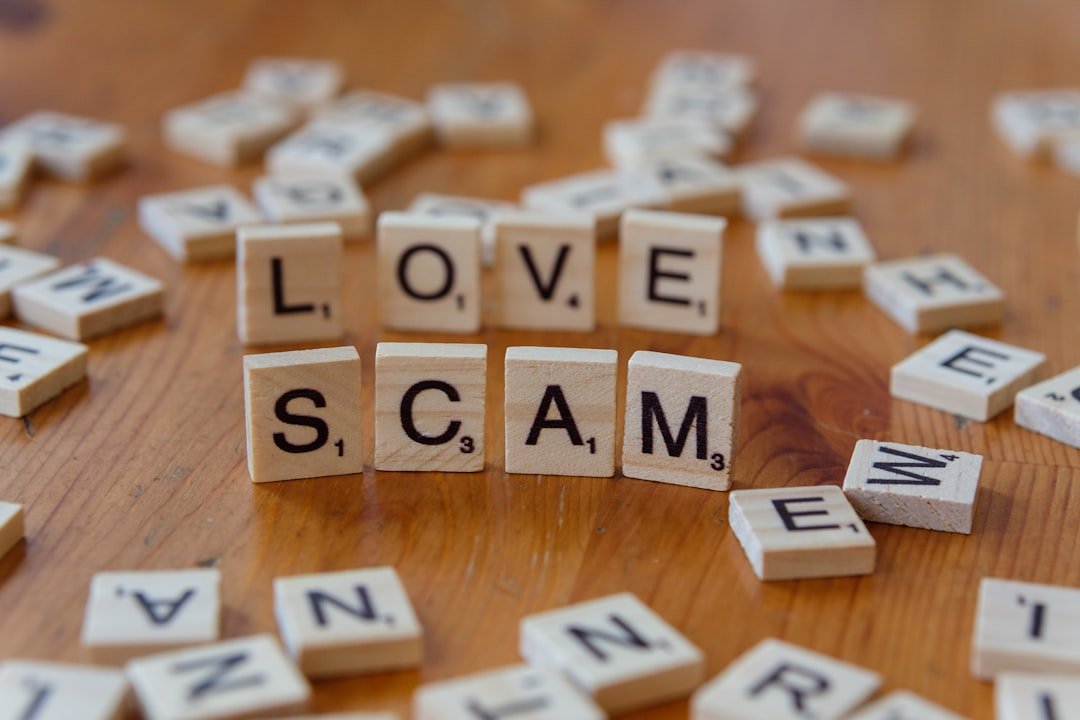
- Hyper-Realistic Romance Scams: Imagine a scammer trying to pull off a lonely-hearts con, but instead of writing broken-English love letters, they use AI to generate perfectly crafted, emotionally manipulative messages, 24/7. The AI can create a believable persona, remember past conversations, and tailor its language to be incredibly persuasive. It’s social engineering on steroids.
- Fake Law Firms: One group was using AI to pretend they were a law firm in another country. They’d generate bogus legal documents and research to make their scam look legitimate. For a small business owner or an individual facing a legal scare, this could be devastatingly effective.
- Influence for Hire: They also busted groups using AI to create huge volumes of content for online influence campaigns, including a smear campaign against a Japanese politician. The AI wrote articles, social media posts, and comments to manipulate public opinion.
When you read this, it's easy to see it as just a tech story. But if you're in our line of work, you know what this really is: it’s a story about risk. New, evolving, and incredibly complex risk.
So, How Does This Change the Insurance Game?
For years, we've been telling clients about cyber risks like phishing emails and data breaches. But AI-powered fraud is a different beast entirely. It’s more personal, more convincing, and much harder to detect.
Let's break down what this new reality means for the policies we sell and the advice we give.
Social Engineering Just Got a Frightening Upgrade
The romance scam is a classic example of social engineering—tricking someone into giving up money or information. The problem was, most scammers weren't great writers. AI changes that.
Think of it like this: a normal scammer is like a guy with a chisel trying to break into a vault. An AI-powered scammer has a plasma torch. The tool is just that much better.
This directly impacts coverages like:
- Personal Cyber Insurance: Many people think this is just for data breaches. But a good personal cyber policy often includes coverage for financial loss due to social engineering or online fraud. With AI making these scams more believable, this coverage is moving from a "nice-to-have" to a "must-have."
- Identity Theft Protection: These sophisticated scams are often the first step toward full-blown identity theft. The AI-driven conversation is designed to build trust and get the victim to reveal personal details that can be used to open accounts or take out loans.
We need to be asking our personal lines clients: "If you got a perfectly written message from what seemed to be your bank or a potential love interest, are you confident you could spot the fake? And if you couldn't, do you have a policy that will help you clean up the mess?"
The New Face of Business and Professional Liability
The fake lawyer scam is a perfect example of how this affects businesses. The lines between what's real and what's an AI-generated fake are getting incredibly blurry.
This brings up some tough questions for commercial insurance:
- Errors & Omissions (E&O): What happens when a real professional—say, a financial advisor or a consultant—unknowingly uses an AI tool that gives them flawed information, leading to bad advice and a lawsuit? Who is liable? The professional? The AI company? This is a legal gray area that E&O policies will have to navigate.
- Cyber Liability: We typically think of cyber liability in terms of hacks and data breaches. But what about reputational harm? The influence campaign example shows how AI can be used to systematically destroy a company's reputation online with fake reviews, false articles, and social media attacks. Does a standard cyber policy cover the cost of a PR firm to combat an AI-driven smear campaign? It’s a question we need to be asking.
This isn’t just about outside attackers, either. An employee could use these same AI tools to create incredibly convincing fake invoices, leading to massive internal fraud. The old ways of spotting fraud might not be enough anymore.
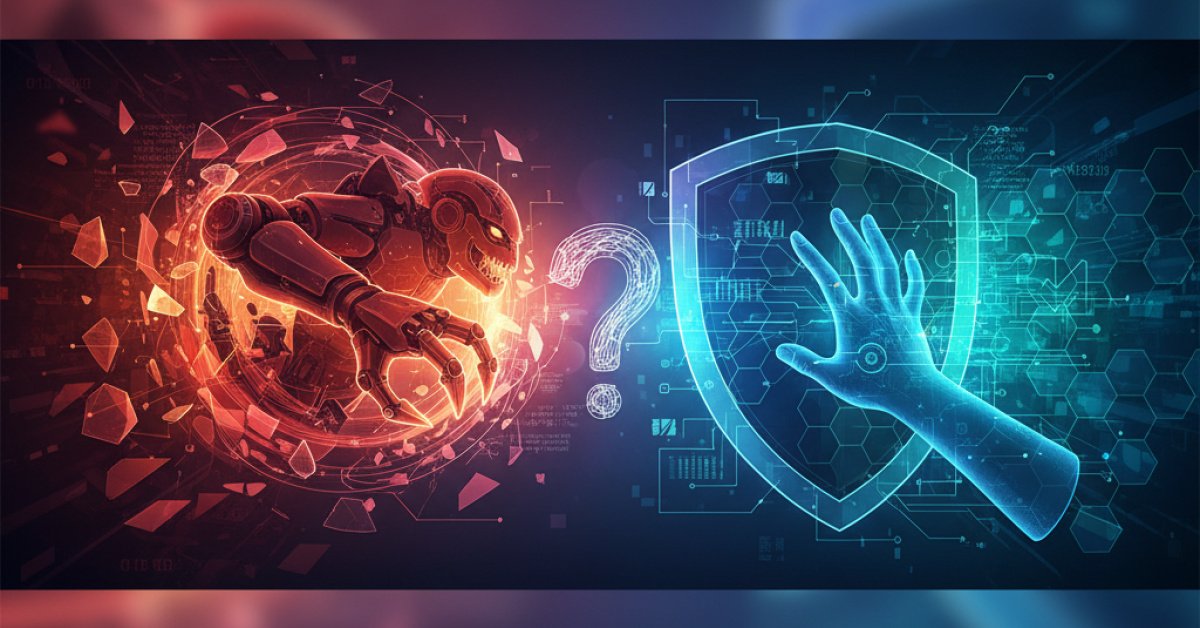
We're in a Tech Arms Race, and Insurance Is on the Front Lines
Here’s the interesting part. The insurance industry isn't just a potential victim here; we're also a user of this exact same technology.
We use AI every day to detect fraudulent claims, assess risk, and streamline underwriting. We’re in a constant cat-and-mouse game. As we develop smarter AI to spot fraud, criminals are using smarter AI to commit it.
It’s a reminder that this technology is just a tool. It can be used to build or to break. Our job is to make sure we’re building stronger defenses for our clients than the criminals are building tools for attack.
This is a fast-moving train, and honestly, nobody has all the answers yet. The policies we have today were written for a world that existed yesterday. But the conversation has to start. It's not about being afraid of AI, but about being clear-eyed and realistic about the new challenges it brings to the table.
Next time you're talking with a client, maybe ask them if they've heard about these new scams. Use it as a way to talk about their cyber coverage or their business liability. Because the best insurance is always being prepared for the risk you don't see coming. And this one is coming up on us, fast.