Have you ever had one of those moments where you look at the news—another hurricane, a shaky stock market, a massive data breach—and just think, "Wow, the world feels a little unpredictable right now"?
Well, you're not alone. The people who run insurance companies are feeling it, too. Big time.
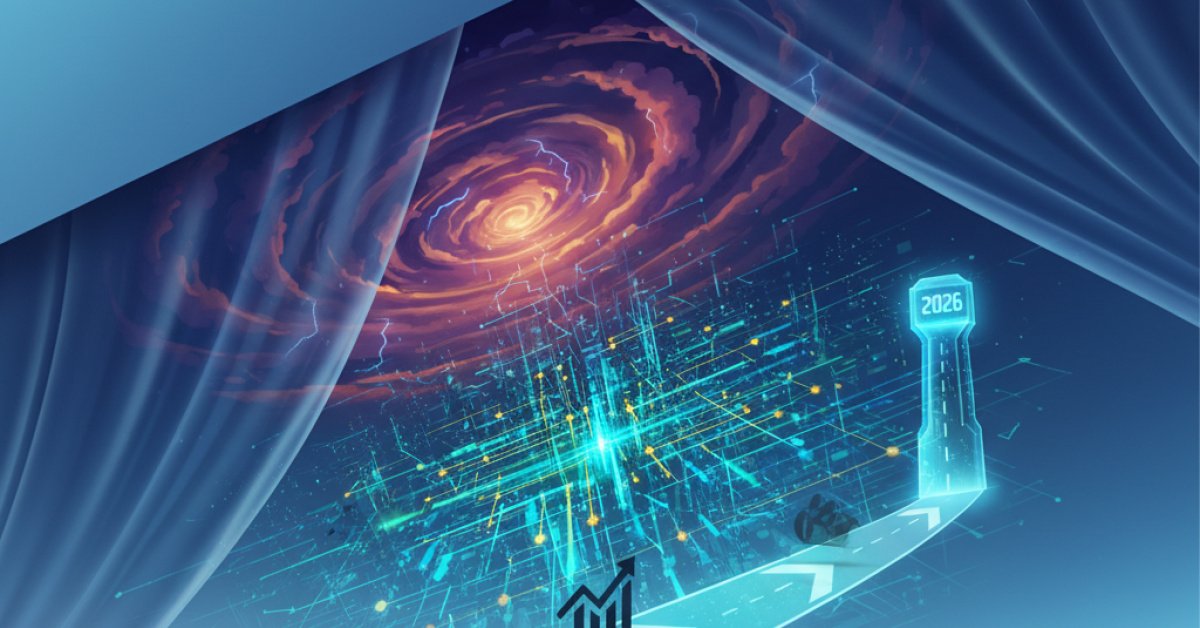
I spend my days talking with folks in the insurance industry, and lately, the conversation always seems to circle back to the same things. There's a real sense of unease about what the next few years hold. New research is confirming what we've been hearing on the ground: the road to 2026 is looking pretty bumpy, and insurers are bracing for impact.
So, let's pull back the curtain and talk about what's really going on. What are the big worries keeping insurance execs up at night? And more importantly, how does it all affect you?
The Two Big Headaches: A Shaky Economy and Wild Weather
At the heart of it all are two massive, unpredictable forces: economic uncertainty and a climate that seems to be getting angrier every year.
Think of an insurance company like a ship's captain. Their main job is to look at the map (which is data from the past), predict the weather, and chart a safe, profitable course. But what happens when the maps are outdated and the weather forecasts are all over the place?
That’s pretty much where we are now.
A wobbly economy makes everything harder. When people and businesses are tightening their belts, they start questioning every expense, including their insurance premiums. At the same time, inflation drives up the cost of everything an insurer has to pay for—from car parts and construction materials to medical care. This puts them in a serious squeeze, trying to keep prices fair for you while making sure they have enough cash to pay out claims.
Then you add in the weather. It’s not just your imagination; storms, floods, and wildfires are getting more frequent and more destructive. Every one of these events triggers a flood of claims that can wipe out an insurer's profits for the year. It's becoming incredibly difficult to predict where the next disaster will strike and how much it will cost.
Priority #1: Keeping You Happy (and Sticking Around)
With all this pressure, what’s the number one thing on insurers’ minds? Surprisingly, it might just be you.
In this kind of environment, customer retention becomes absolutely critical. It’s always been cheaper to keep a customer than to find a new one, but that’s truer now than ever. Insurers know you have options, and they know that when money is tight, you’re looking closely at the value you’re getting.
So, they’re doubling down on keeping their current clients happy. This isn't just about sending a renewal notice and hoping for the best. It's about:
- Improving the customer experience: Making it easier to file a claim, get a question answered, or update your policy.
- Proving their value: Showing you how your coverage protects you and offering advice on how to reduce your risks.
- Getting personal: Using technology to offer products and pricing that are more tailored to your specific needs, not just a one-size-fits-all policy.
They’re realizing that in a world of uncertainty, the one thing they can control is the relationship they have with you. A loyal customer is the best defense against a volatile market.
The Cyber Conundrum: The Risk That Keeps Changing
Okay, let's switch gears to the other massive topic that comes up in every single meeting: cyber coverage.
Cyber risk is like nothing the insurance industry has ever dealt with before. A hurricane is a physical event. You can see it coming, and you can generally estimate the damage. A cyberattack? It can come from anywhere, at any time, and the damage can be astronomical and hard to even measure.
For businesses, a serious data breach or ransomware attack can be an extinction-level event. And they are desperate for insurance to help them manage that risk. This has created a huge demand for cyber insurance.
But for insurers, it's a tightrope walk.
On one hand, it's a massive opportunity for growth. On the other, it's a terrifyingly unpredictable risk. The hackers are always changing their tactics. A new type of attack can emerge overnight and affect thousands of businesses at once. How do you even begin to price a policy for that?
Insurers are scrambling to get it right. They're investing heavily in understanding the threats, helping clients improve their cybersecurity, and figuring out how to offer meaningful coverage that won't bankrupt them if a massive, coordinated digital attack ever happens. It’s a huge, ongoing puzzle, and it’s one of the defining challenges of our time for the industry.
It All Comes Back to a Changing World
When you put it all together—the economic jitters, the intense weather, the digital threats, and the fight to keep customers—you get a picture of an industry at a major crossroads. The old ways of doing business just aren't cutting it anymore.
The next few years won't be about just selling policies. They'll be about navigating immense uncertainty. It's going to force insurance companies to be smarter, faster, and more innovative than ever before.
For us, as customers, it means we’ll likely see changes. Premiums in high-risk areas will probably continue to climb. We might see new types of policies emerge that are more flexible or focused on prevention. And we'll definitely see a bigger push from our insurers to build a real relationship with us.
It’s a challenging time, no doubt. But it’s also a moment of real transformation. The insurers that succeed will be the ones who can master this new, unpredictable reality and prove that, even when the world feels chaotic, they’re still there to provide that crucial safety net we all rely on.