Let’s be honest. Nobody gets excited about buying insurance. You sign the papers, pay the premium, and hope you never have to think about it again. It’s a safety net, tucked away for a "just in case" that you pray never comes.
But then, it does. A pipe bursts, a fire breaks out, or a storm tears through your property. Amid the chaos, there's a small sense of relief: "Thank goodness we have insurance." You file your claim, expecting a check to arrive so you can start putting the pieces back together.
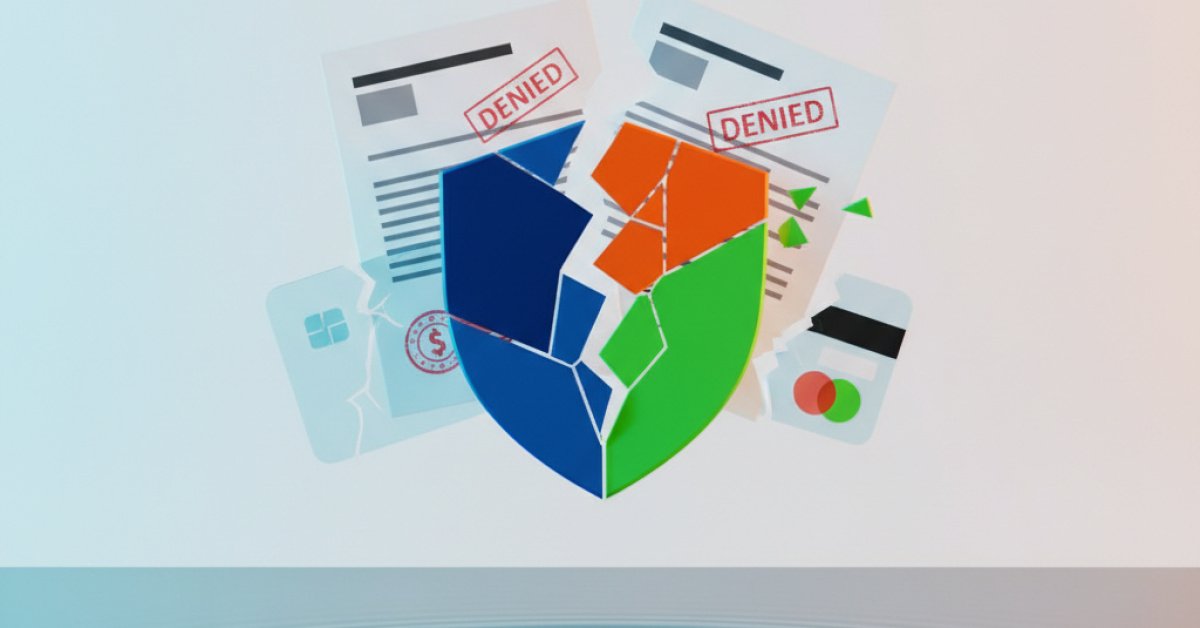
And then you get the letter. Or the email. Your claim has been denied.
That gut-punch feeling? That’s what we in the industry call the “moment of truth.” It’s the point where the promises on paper collide with reality. And right now, in this tough market, that moment is becoming a painful reality for more and more people.
Why Does It Feel Like Claims Are Getting Tougher to Approve?
If you feel like insurance companies are getting stricter, you’re not wrong. We’re in what’s called a “hard market.” Think of it like this: when the economy is booming, banks are happy to give out loans. When things get tight, they scrutinize every application. The insurance world works in a similar way.
A hard market is caused by a bunch of factors—more frequent and expensive natural disasters, rising costs for repairs and materials (hello, inflation!), and complex legal battles. For insurers, this means they’re paying out more in claims than they’re collecting in premiums.
So, what do they do?
- They raise prices. You’ve probably noticed your premiums going up.
- They get pickier. They become much more careful about who and what they’re willing to insure.
- They scrutinize claims. Every claim is put under a microscope to make sure it fits the policy language exactly.
This last point is what leads to that moment of truth. It’s not that insurers are suddenly trying to be difficult (well, not always). It’s that they’re under immense financial pressure, and they’re sticking to the letter of the policy like never before.
The Real Battle Isn't the Price—It's What Happens After a Loss
For years, the big fight in insurance was all about price. Who could get you the cheapest premium? But in a hard market, that’s changing. The real battleground, the place where great insurers and brokers shine, is in how they handle things after you’ve had a loss.
It’s all about communication and claims management.
Think about it. Getting a “no” is always tough. But there’s a world of difference between a cold, jargon-filled denial letter and a phone call from someone who takes the time to walk you through it.
A denial letter feels like a door slamming in your face. A real conversation, on the other hand, can feel like a guide helping you find a different path.
The "Why" Behind the "No" is Everything
Here’s a little secret: a well-handled claim denial can actually strengthen a relationship. It sounds crazy, but I’ve seen it happen.
When an insurer or a great broker takes the time to explain why a claim was denied, it changes the entire dynamic. They can sit down with you, open up the policy document (that thing you probably never read), and point to the specific sentence or clause that applies.
They can say things like:
- “See this section here on flood damage? Your policy covers water from a burst pipe, but unfortunately, it excludes damage from rising groundwater, which is what the report found.”
- “The policy has a specific limit for this type of equipment, and the replacement cost you submitted is above that. Let’s talk about how we got to that number.”
This kind of transparency does two things. First, it educates you about what your policy actually covers. Second, it shows respect. It treats you like a partner in the process, not just a policy number. It turns a frustrating moment into a learning experience, and it builds trust for the future.
So, What Can You Actually Do About It?
You’re not powerless in this situation. The key is to be proactive, both before and after something goes wrong.
Before You Ever Have a Claim
The best time to understand your insurance is when you buy it, not when your basement is under two feet of water.
- Ask the tough questions: When you’re talking to your broker, don’t just ask “Am I covered?” Ask “What am I not covered for?” Ask for specific scenarios. "What happens if a tree in my yard falls on my neighbor's house?" "What if a power surge fries my expensive electronics?"
- Read the exclusions: Every policy has an "Exclusions" section. It's usually long and boring, but it's the most important part of the document. This is the rulebook that the insurance company will use when they look at your claim.
- Know your advocate: Understand the role of your insurance broker. They work for you, not the insurance company. Their job is to be your expert guide and your champion if things go wrong.
When You Have to File a Claim
If you find yourself needing to file a claim, especially if it gets complicated, remember this: communication is a two-way street.
- Document everything: Take photos and videos. Keep receipts. Write down every conversation you have, including the date, time, and who you spoke to. The more information you have, the stronger your case will be.
- Lean on your broker: This is when a good broker earns their keep. They can help you file the claim correctly, communicate with the adjuster, and if a denial comes, they can advocate on your behalf. They know the policy language and the process inside and out. They are your professional ally.
If you get a denial, don’t just accept it as the final word. Talk to your broker. Ask for the specific policy language that led to the decision. Sometimes, denials are based on incomplete information. Sometimes, they can be appealed. But you won’t know unless you engage in the conversation.
This is the new reality. Insurance is more than just a product you buy; it's a relationship you build. The price you pay gets you the policy, but the real value is in the guidance and support you receive when that "moment of truth" arrives. And in today's world, having an expert in your corner to navigate that moment is worth more than any discount you could ever find.