Remember that feeling of being dropped off at summer camp for the first time? A mix of wild excitement and a little knot of anxiety in your stomach. For most of us, the excitement won out. We made friends, learned to paddle a canoe, and came home with a bag full of dirty laundry and amazing memories.
As parents, though, we see it from the other side. Handing our kids over for a week or two means putting a massive amount of trust in the camp's staff and their safety protocols.
So, when Texas officials announced new safety mandates for youth camps this year, a lot of parents breathed a sigh of relief. The state is now requiring camps to have things like weather alert systems, detailed emergency preparedness plans, and multiple ways to communicate with families. And that’s all fantastic. Seriously, it's a huge step in the right direction for physical safety.
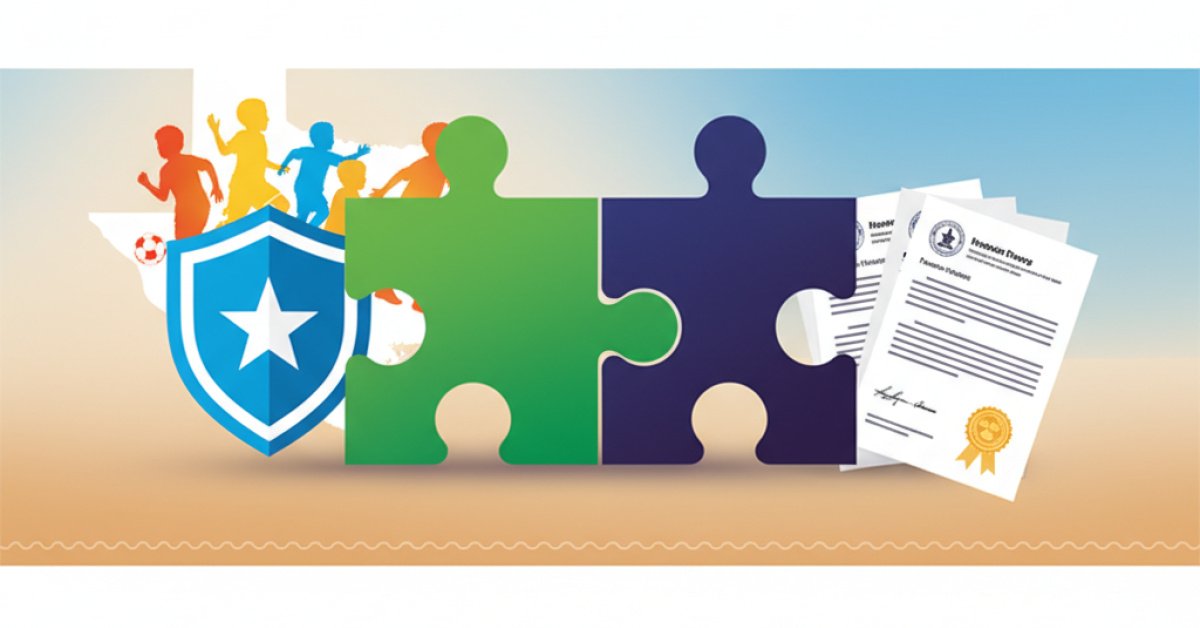
But here’s the thing. As we’re all focused on preparing for thunderstorms and skinned knees, we’re overlooking a massive, invisible risk. There’s a giant piece of the safety puzzle still sitting in the box: mental health.
Safety Isn't Just About Storm Shelters and First-Aid Kits
Let’s be clear: the new rules are necessary and good. Every camp should absolutely have a plan for a sudden tornado warning or a medical emergency. That’s just basic risk management. It’s about protecting kids from the obvious, visible dangers.
But what about the dangers you can’t see?
Think about it. Camp can be a pressure cooker of emotions for a kid. You’ve got:
- Intense Homesickness: It’s not just a little sadness. For some kids, it can spiral into debilitating anxiety.
- Social Pressures: Making new friends is hard. Bullying, feeling left out, or social isolation can be just as painful as a physical injury.
- Pre-existing Conditions: More and more kids are coming to camp with diagnosed anxiety, depression, or other mental health challenges that need ongoing support.
- The Stress of a New Environment: New food, new beds, new rules, no parents. It’s a lot to handle!
When a child is struggling emotionally, it’s not just a "bummer." It’s a genuine safety issue. A severely anxious or depressed child is more likely to wander off, not pay attention during a swim lesson, or engage in risky behavior. A mental health crisis is an emergency, plain and simple.
And right now, it's the emergency that very few camps are formally required to plan for.
What Does a "Mental Health Plan" Even Look Like?
When I talk about this, some camp directors get a worried look. They think I’m suggesting they need to have a team of licensed therapists living in the bunks. That’s not it at all.
Just like you don’t expect every counselor to be a paramedic, you don’t expect them to be therapists. But you do expect them to know CPR and basic first aid, right? You expect them to know how to spot the signs of heatstroke and what to do about it.
We need to apply that same thinking to mental health.
It's About "Mental Health First Aid"
A solid mental health plan is about building a system of support and response. It means:
-
Training Your Staff: Your counselors are on the front lines. They need to be trained to recognize the signs that a camper is struggling. This isn't about diagnosing anyone. It’s about spotting red flags—a kid who suddenly withdraws, isn't eating, is crying constantly, or is having uncharacteristic angry outbursts.
-
Having a Clear Protocol: When a counselor sees those red flags, what do they do next? Who do they tell? Is there a designated health director or camp leader they report to? What are the steps for assessing the situation and contacting the parents? You need a flowchart for this, just like you have for a broken arm.
-
Creating a Supportive Culture: This starts from the moment kids arrive. It’s about setting a tone where it’s okay to not be okay. It’s about building in quiet time, teaching kids healthy ways to cope with stress, and having intentional check-ins.
-
Knowing Who to Call: For more serious situations, camps should have a plan. This could mean having a local therapist on call, a telehealth service they can access, or a clear procedure for getting a child professional help if needed.
This isn’t about turning your camp into a clinic. It’s about being prepared for the reality of what kids are facing today. It's about completing the safety picture.
The Insurance Angle: This Is a Liability Issue, Not Just a "Nice-to-Have"
Okay, let's talk business. As an insurance person, this is where my alarm bells start ringing. If you're a camp director, this is the part you really need to hear.
Ignoring mental health preparedness isn't just a disservice to your campers; it's a massive liability risk for your organization.
Imagine a camper has a severe panic attack or a mental health crisis, and your camp has no procedure in place. Your staff is unprepared, they don't know who to call, and the situation gets worse. If that child is harmed, the camp could be found negligent. That’s a lawsuit waiting to happen, and it’s one that could be devastating.
Insurance carriers are getting smarter about this every single year. When they underwrite a policy for a youth camp, they are looking at the entire risk profile. They want to see that you’re being proactive.
Having a documented mental health preparedness and response plan is a powerful risk management tool. It shows your insurer that you understand the modern landscape of child safety and that you’re taking concrete steps to mitigate potential harm. It demonstrates a higher standard of care.
Will it automatically lower your premium? Maybe, maybe not. But it could absolutely be the difference between getting coverage and being denied, or between having a claim covered versus facing a negligence lawsuit on your own. Proactive safety measures—all of them—are what keep your camp insurable and sustainable for the long haul.
So while we celebrate the new mandates for weather radios and emergency drills in Texas, let's not stop there. The biggest storm for some kids at camp isn't in the sky; it's inside their own head. A truly safe camp is one that’s prepared for both. It’s time we make mental health a non-negotiable part of the summer camp safety checklist.