When you hear the term “risk management,” what’s the first thing that pops into your head?
If you’re like most people, you probably picture a stuffy back office, mountains of paperwork, and someone whose main job is to say "no" to everything. For a long time, risk management was seen as the department of compliance, the box-tickers, the people who just made sure you didn't get sued.
But let me tell you, that picture is completely outdated. Things are changing, and fast. I’ve been watching this space for years, and what’s happening right now is genuinely exciting. We're seeing a fundamental shift in how businesses think about risk, and frankly, it's about time.
A great example of this is happening right here in Australia. The recent RM Advancer Awards really pulled back the curtain on some incredible local firms that are doing things differently. They’re not just managing risk; they’re redefining what it means to be a strong, resilient business in a world that’s more unpredictable than ever.
So, What's Really Changed?
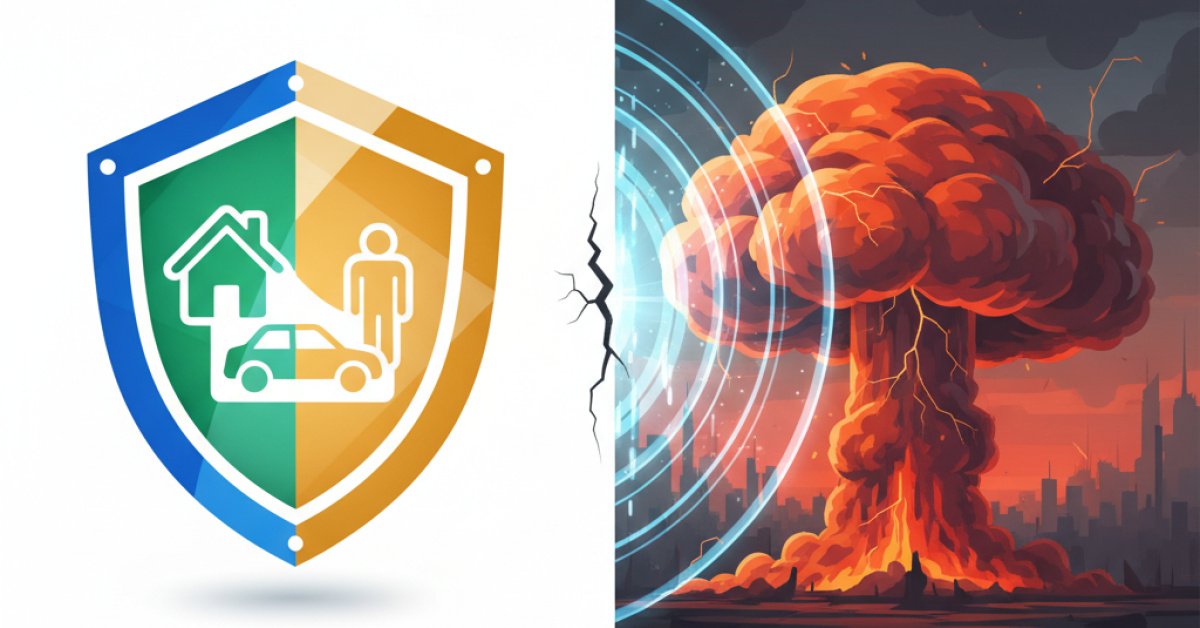
The old way of thinking was purely defensive. It was all about prevention. Think of it like putting up a simple fence around your property. It might keep out casual trespassers, but it's not going to do much against a determined intruder or a major storm.
The new approach is about building a fortress. It's about being proactive and prepared for anything. It’s not just about avoiding bad things; it’s about having the strength and flexibility to handle a crisis and come out even stronger on the other side. This is the shift from simple risk avoidance to building genuine organisational resilience.
And it’s not just about a single event, like a fire or a flood. We're talking about everything from cyber-attacks and supply chain disruptions to global pandemics and sudden market shifts. The game has changed, and the players who are winning are the ones who have changed their strategy.
A Spotlight on the Leaders: The RM Advancer Awards
This is where things get really interesting. It's one thing to talk about these concepts in theory, but it's another to see them in action. The RM Advancer Awards give us a fantastic window into the companies that are actually walking the walk.
These awards aren't just about handing out trophies. They showcase the businesses that are leading the charge, the ones setting the new standard for the rest of us. By looking at the finalists and winners, we can get a real-world masterclass in modern risk leadership, resilience, and preparedness. It’s like getting a peek into the playbooks of the best teams in the league.
Redefining Resilience: It’s More Than Just Bouncing Back
Let's talk about "resilience" for a second, because it's a word that gets thrown around a lot. True resilience isn’t just about surviving a hit and getting back to where you were. That’s just recovery.
The firms being celebrated by the awards understand that resilience is about adapting and evolving. Imagine a tree in a storm. A brittle tree snaps. A resilient tree bends with the wind, loses a few leaves, but its roots grow deeper, and it stands stronger once the storm passes.
That’s what these companies are doing. They’re building systems and cultures that allow them to:
- Absorb shocks: They can take a hit without collapsing.
- Adapt quickly: They can pivot their operations when circumstances change.
- Learn and improve: They analyze every challenge to become better prepared for the next one.
It’s a dynamic, ongoing process, not a one-time fix.
Preparedness in a World Full of Curveballs
If the last few years have taught us anything, it’s that you can’t predict everything. That’s where preparedness comes in. If resilience is the strength to withstand the storm, preparedness is the work you do before the clouds even gather.
The old model of preparedness was based on known risks. You’d have a fire drill, a plan for a power outage, and so on. That’s still important, of course, but it's not enough anymore.
Today's leaders are preparing for the unknown. They’re asking questions like:
- What if our entire supply chain is disrupted overnight?
- What if a key technology we rely on suddenly fails?
- How do we operate if our team can’t physically come to the office for months?
The answer isn't about having a specific plan for every single wild scenario. That's impossible. Instead, it's about building a flexible, agile organisation that can think on its feet. It’s about empowering your people to make smart decisions in a crisis and having the communication channels in place to coordinate a response effectively.
The New Face of Risk Leadership
Here’s the thing: none of this happens without the right kind of leadership. The biggest shift I've seen is that risk is no longer a siloed function tucked away in a corner office.
In the companies highlighted by the RM Advancer Awards, risk thinking is embedded in the entire culture, from the boardroom to the front line. Leaders are championing it. They see risk management not as a cost centre, but as a strategic advantage. When you’re better prepared than your competition, you can seize opportunities while others are just trying to stay afloat.
This new brand of risk leadership is collaborative, forward-thinking, and deeply integrated into every decision the business makes. It’s about fostering a culture where everyone feels responsible for identifying and managing potential challenges.
Watching these Australian firms get recognised is more than just an industry event; it's a signpost for the future. It shows us that the smartest businesses aren't just bracing for impact—they're building the capacity to thrive in a world of constant change. And that’s a lesson we can all learn from.