Have you ever just sat and looked at the ocean? There’s something so powerful and calming about it. Whether you live on the coast or just love to visit, we all have this image of what our shorelines should be—sandy, clean, a place for family and fun.
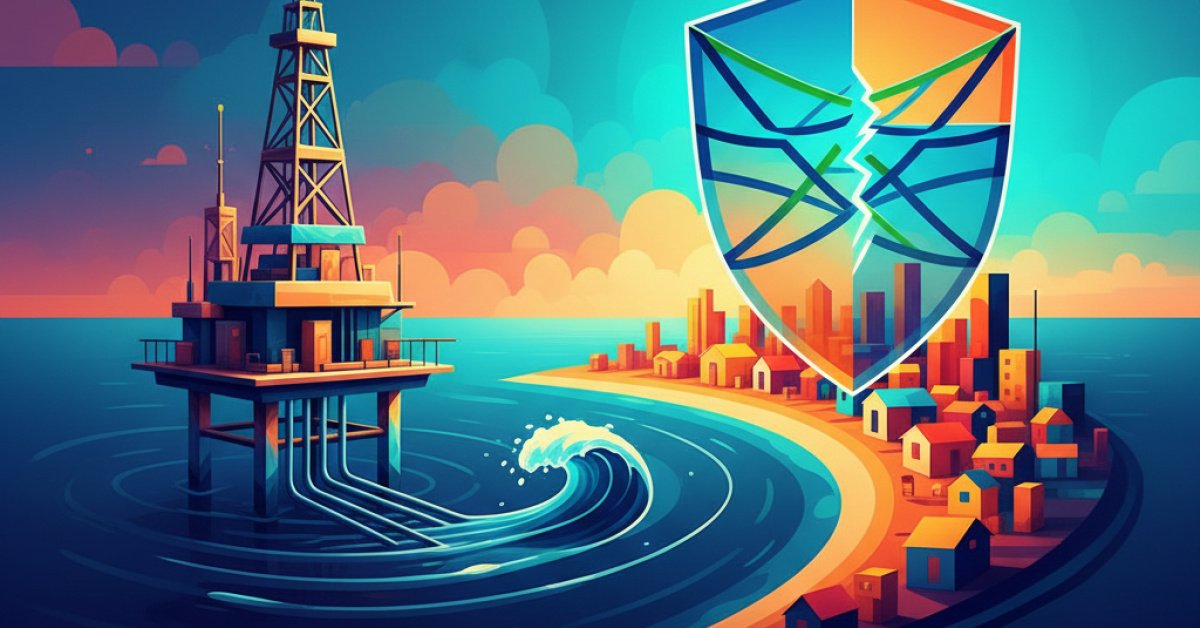
Now, imagine that view with an oil rig on the horizon.
A recent proposal out of the White House is looking to do just that. The administration released a draft plan that would dramatically expand offshore oil and gas drilling, opening up new areas off the coasts of places like Florida, California, and even Alaska.
You might be reading this and thinking, "Okay, that's a political or environmental story. What does it have to do with me and my insurance?" The answer, my friend, is… a lot. As someone who’s spent years in the insurance world, I can tell you that when risk changes on a massive scale like this, the ripple effects hit us all, right in the wallet.
Let's unpack what this really means for your insurance policy.
First, What Exactly is on the Table?
Before we get into the insurance side of things, let’s quickly cover the basics of the proposal. The plan would open up huge swaths of federal waters to oil and gas leasing. We're talking about areas that have been protected from drilling for decades.
For states like Florida, where the entire economy is practically built on tourism and pristine beaches, or California, with its iconic coastline, this is a massive shift.
The goal, according to the administration, is to boost domestic energy production. But for the insurance industry—and for anyone who owns property near the coast—it’s like hearing a storm is brewing. We don't know how bad it will be, but we know we need to pay attention.
How Oil Rigs Can Change Your Homeowners Insurance
Okay, let's get to the heart of it. How can a drilling platform miles offshore affect the policy for your house?
Think of it like this: Insurance is all about calculating risk. Your insurer looks at your home and asks, "What are the chances something bad will happen here, and how much would it cost to fix?" They look at fire risk, theft risk, and, if you're on the coast, hurricane and flood risk.
Adding a bunch of oil rigs into the mix is like adding a giant, new, and very unpredictable variable into that equation.
The most obvious risk, of course, is a major oil spill. We all remember the Deepwater Horizon disaster in the Gulf of Mexico back in 2010. It was a catastrophe that coated beaches in oil, devastated wildlife, and crippled the local fishing and tourism industries for years.
Now, imagine a spill like that happening off a major tourist hub in Florida or a densely populated area of the California coast.
Here’s the thing insurers know:
- Property values can plummet. Even if your home isn't directly touched by oil, a major spill can make an entire area undesirable. Who wants to live on a polluted beach? This long-term economic damage is a huge risk.
- Cleanup is a nightmare. The environmental damage can be permanent, and the cost of cleanup is astronomical.
- The risk of something going wrong increases. More drilling simply means more opportunities for accidents, whether from human error, equipment failure, or a natural disaster.
When insurers see this new, elevated risk, they have a few options, and none of them are great for you, the policyholder. They can (and likely will) raise premiums for coastal properties to cover their potential new exposure. In some extreme cases, they might decide the risk is too high and stop writing new policies in certain coastal zones altogether.
The Perfect Storm: Hurricanes and Oil Fields
If you live in Florida or anywhere along the Gulf Coast, you know hurricanes are already our biggest threat. Now, let’s add active oil fields into that equation. It's a terrifying combination.
A powerful hurricane tearing through a field of oil platforms is a worst-case scenario. We’re not just talking about a leak from one rig. We’re talking about the potential for multiple platforms to be damaged or destroyed, leading to widespread, uncontrollable spills.
And good luck trying to contain an oil spill in the middle of a Category 4 hurricane. It’s impossible.
This "compounded risk" is what gives insurance underwriters nightmares. It’s one thing to model the damage from a hurricane. It’s another to model a hurricane plus a massive environmental disaster.
This could put incredible strain on the entire insurance market in a state. It could lead to:
- Higher Reinsurance Costs: The insurance companies that insure the insurance companies (yes, that's a thing!) will charge more. That cost gets passed directly down to you.
- Insolvent Insurers: A truly catastrophic event could bankrupt smaller, regional insurance companies, leaving policyholders in a lurch.
- More State-Run Programs: We could see an expansion of state-run "insurers of last resort," which often provide less coverage for a higher price.
It's Not Just Homes—Coastal Businesses are at Risk, Too
This isn't just a homeowner issue. If you own a business on the coast—a restaurant, a hotel, a charter boat, a t-shirt shop—your world could be turned upside down by a spill.
Many businesses carry Business Interruption (BI) insurance. The idea is that if a covered event (like a fire) forces you to shut down, the policy helps replace your lost income.
But here’s the tricky part: would a BI policy cover losses from an oil spill? The answer is… maybe. It often depends on the fine print. Many policies have "pollution exclusions" that could leave a business owner with no coverage. And even if you have coverage, you often need to show direct physical damage to your own property, which might not happen if the spill just closes the beaches and keeps the tourists away.
The fishing industry, of course, would be directly and immediately devastated. The entire coastal economy is interconnected, and a blow to one part of it is a blow to all of it.
So, What Should You Be Doing?
This all sounds pretty grim, I know. But the point isn't to scare you; it's to prepare you. Knowledge is power.
If you own property or a business near the coast in one of the potentially affected areas, now is the time to be proactive.
- Review Your Policy. I know, nobody likes reading insurance documents. But pull out your policy and look it over. Specifically, look for any language about pollution or environmental damage. See what’s included and, more importantly, what’s excluded.
- Talk to Your Agent. This is the most important step. Call your insurance agent. They are your best resource. Ask them direct questions: "How would my policy respond to damage or loss of business from an offshore oil spill?" and "Is my current coverage level adequate for the risks in my area?"
- Check Your Flood Insurance. Remember, standard homeowners insurance does not cover flooding. If you're on the coast, you should have a separate flood policy. This is non-negotiable, with or without oil rigs in the picture.
Ultimately, a policy decision made hundreds of miles away in Washington can have a very real, very tangible impact on your financial security. It’s a powerful reminder that our insurance needs don't exist in a vacuum. They are tied to the world around us, from the weather in the sky to the policies on the books. Keeping an eye on these big-picture changes helps us all stay one step ahead.