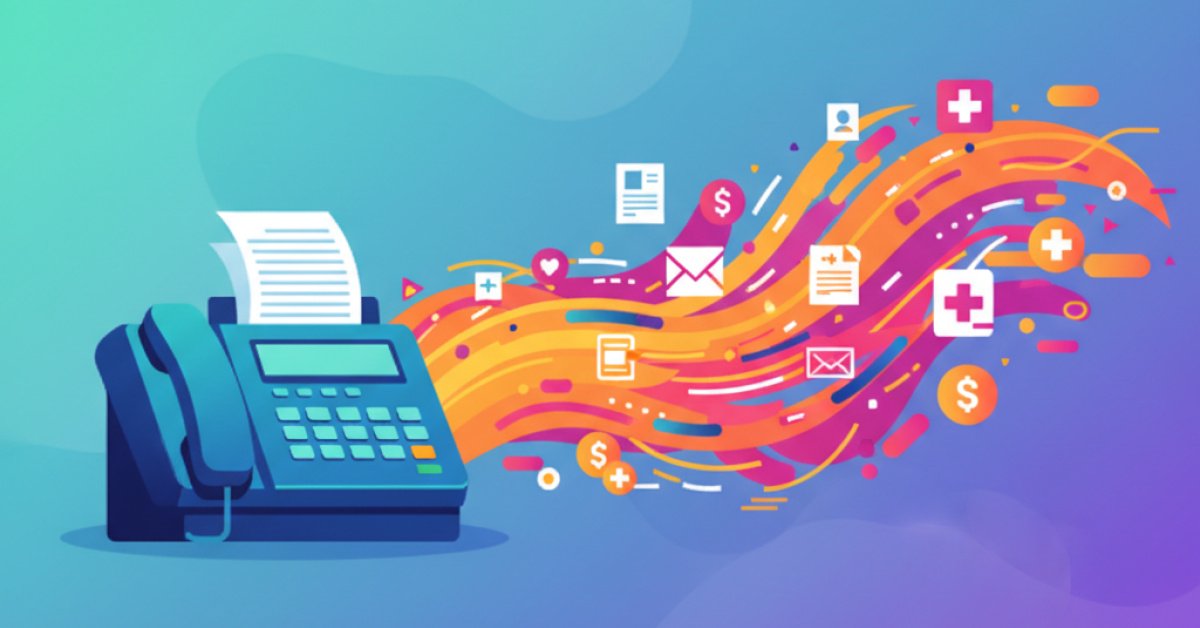
I want you to picture something. Go ahead, close your eyes for a second. Imagine the sleek, modern office of a health insurance company. You see open-plan desks, people collaborating on Slack, and data whizzing through sophisticated digital portals. Now, in the corner of that image, I want you to add a beige, clunky fax machine, whirring and spitting out a piece of paper.
Seems a little out of place, right? Like finding a rotary phone at an Apple Store.
Well, here's the thing. As we brace for some significant shifts and cuts in Medicare and Medicaid, that dusty old fax machine might just become one of the most critical—and stressed—pieces of equipment you have. It sounds crazy, I know. But the reality is, big government policy changes don't just happen in a vacuum. They create waves, and those waves are about to crash right into our communication systems.
Why Are We Even Talking About This?
Let's get straight to it. Major changes are coming down the pike for Medicare and Medicaid. Whenever funding gets adjusted or eligibility rules get tightened, the result is the same: confusion. And confusion always, always leads to a massive spike in communication.
Think about it from the member's perspective. They get a letter they don't understand. Their regular prescription is suddenly not covered in the same way. Their doctor's office is telling them their plan has changed. What's the first thing they do? They pick up the phone. They send an email. They try to log into the member portal that they use once a year.
And it’s not just the members. Healthcare providers, pharmacies, and specialists will be scrambling for answers, too. They need to verify coverage, get pre-authorizations, and understand the new rules so they can get paid. Their workflows are built on a system, and when that system changes, they start hammering every communication channel they have to get clarity.
The Coming Flood—And Why the Fax Machine is Still Afloat
So, we're looking at a huge, sudden increase in calls, emails, and portal messages. That’s a given. Your call centers are going to be slammed. Your digital teams will be putting out fires. But the truly surprising part is the fax.
Why on earth are we still dealing with faxes in this day and age?
It’s a fair question. The short answer is that in healthcare, old habits die hard. For decades, the fax machine has been a workhorse for transmitting sensitive documents between providers and insurers. It's a simple, established, and—in the minds of many—a HIPAA-compliant way to send a piece of paper from point A to point B without a lot of fuss.
Doctors' offices are busy places. Their administrative staff has a process that works. When they need to send a patient record, a referral, or a request for information, they often don't want to log into a new, unfamiliar portal for every single insurance company they deal with. They want to hit "print," walk over to the fax machine, and send it. It’s a decades-old workflow that, for them, is fast and reliable.
When these Medicare and Medicaid changes hit, that reliance on the fax is going to get supercharged. We’re going to see a flood of faxes for:
- Coverage verifications
- Pre-authorization requests
- Medical records submissions
- Appeals and grievances
And if your infrastructure isn't ready to handle that surge, you're going to have a big problem.
Is Your Communication House in Order?
This isn't just about making sure you have enough toner for the old Brother machine in the mailroom. This is about taking a hard look at your entire communication infrastructure. A sudden surge in volume can break a system that seems to be working just fine on a normal day.
It’s like a two-lane country road. It works perfectly for the regular flow of traffic. But the moment there’s a big concert or a festival in town, you get instant gridlock. That’s what’s about to happen to our communication channels.
You need to ask some tough questions, and you need to ask them now:
- Call Centers: Can your phone systems and staffing levels handle a 50% or 100% increase in call volume? What’s your plan for wait times?
- Digital Portals: Are your member and provider portals robust enough to handle a massive spike in traffic without crashing? Is the information on them clear, concise, and up-to-date regarding the changes?
- Email: Do you have an efficient way to sort, route, and respond to a deluge of emails, or will they just pile up in a general inbox?
- And yes, the Fax: Do you have a reliable system for receiving, digitizing, and routing incoming faxes? Many companies have moved to e-fax solutions, which is great. But have you stress-tested them? Do you know what happens when you go from receiving 500 faxes a day to 5,000?
If you're not prepared, documents will get lost. Members will get frustrated. Providers will be unable to get the information they need to treat patients. And your own staff will be completely overwhelmed.
This is a Human Issue, Not Just a Tech One
At the end of the day, this is about more than just technology. It’s about people. The people who rely on these benefits are often vulnerable. They’re navigating complex health issues, and the last thing they need is to feel lost or abandoned by their insurance plan.
A communication failure isn't just an operational headache; it's a failure to serve your members when they need you most. It erodes trust and can have real-world consequences on their health and financial well-being.
So, as these changes roll out, let's not get caught flat-footed. It’s time to dust off the old plans, stress-test the systems, and prepare our teams. Let’s make sure we have the capacity to handle not just the sleek digital inquiries but also the old-school, paper-based ones.
Because that whirring sound you hear from the corner of the office? It might just be the sound of a problem you can solve before it even starts. The fax machine is a symbol, really. It’s a reminder that we have to be ready for everything—the old, the new, and the massive volume of questions that are headed our way.