Let’s be honest. When we talk about risk management, especially something as huge as climate change, it usually sounds like a chore. It’s a cost. A defensive move. Something you have to do to avoid getting wiped out by the next superstorm or supply chain collapse.
But what if that’s the wrong way to look at it?
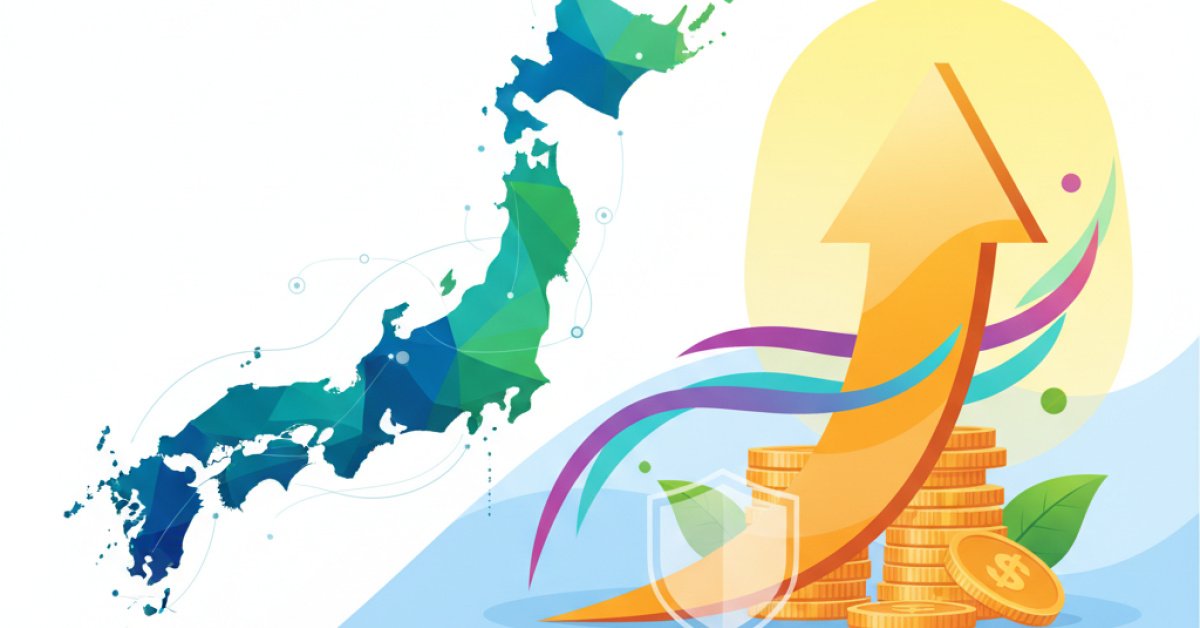
A really interesting report just came out from CDP, the non-profit that gets companies to disclose their environmental impact. And it flips that whole idea on its head. They found that for companies in Japan, spending money on climate resilience isn't just about playing defense. It's actually one of the smartest offensive moves they can make, with benefits that are blowing past what we're seeing in the rest of the world.
It's a classic case of turning a massive vulnerability into a surprising strength.
Why Is Japan a Special Case?
First, you have to understand the unique position Japan is in. When it comes to natural disasters, the country has truly won the unfortunate lottery. We're talking about a place constantly on alert for earthquakes, tsunamis, volcanic eruptions, and some of the most intense typhoons and flooding on the planet.
For businesses there, disruption isn't a hypothetical risk; it's a regular part of the business cycle.
Now, layer climate change on top of that. The storms are getting stronger, the rain is getting heavier, and the heat is getting more extreme. What was once a manageable, if difficult, risk profile is becoming a constant, high-stakes threat to operations, infrastructure, and supply chains.
So, it’s no surprise that Japanese companies are taking this seriously. What is surprising is the massive upside they're finding.
The Payoff Is Bigger Than the Price Tag
Here’s the core finding from the CDP report that really caught my eye: For Japanese businesses, the potential financial benefits of investing in climate resilience are actually greater than the costs.
Think about that for a second.
It’s like renovating your old, leaky roof. You spend the money primarily to stop the rain from getting in (avoiding a cost). But in the process, you also increase your home's value, lower your heating bills, and maybe even get a better deal on your homeowner's insurance (gaining a benefit). For Japanese companies, that "benefit" part of the equation is turning out to be huge.
They’re not just preventing losses; they're creating new opportunities.
So, what do these "benefits" actually look like?
It’s not just one thing. It's a whole collection of positive outcomes that come from being prepared. We're talking about things like:
- Fewer Disruptions: A factory that's been properly flood-proofed can get back online faster after a typhoon. That means less downtime, fewer missed orders, and happier customers.
- Stronger Supply Chains: By identifying and reinforcing the weak links in their supply chains, companies are building more robust systems that don't crumble at the first sign of trouble.
- Enhanced Reputation: In today's world, investors, customers, and top talent want to be associated with companies that are forward-thinking and responsible. A strong climate strategy is a massive green flag.
- Access to New Markets: Building expertise in things like water conservation technology or resilient infrastructure can open up entirely new lines of business. They can sell their solutions to others facing similar problems.
When you add it all up, the investment in things like stronger buildings, better water management, and diversified logistics starts to look less like an expense and more like a strategic investment in the future of the business itself.
It’s All About a Head Start
You might be wondering, "Okay, but why is this effect so much stronger in Japan than elsewhere?"
I think it comes down to necessity being the mother of invention. Because the risks are so immediate and so severe in Japan, companies there have been forced to get ahead of the curve. They've been thinking about business continuity in the face of natural disasters for decades.
For them, climate change isn't a distant, abstract concept. It's a direct and powerful amplifier of the risks they already live with every single day.
This has given them a head start. They are building the "muscle memory" for resilience faster than companies in regions where the climate threat might still feel a bit more theoretical. They're not just writing reports; they're pouring concrete, redesigning processes, and fundamentally rethinking how to operate in a more volatile world.
From an insurance perspective, this is fascinating. These companies are actively making themselves better risks. They aren't just relying on a policy to bail them out after a disaster; they're doing the hard work upfront to minimize the damage in the first place. That’s the kind of proactive partnership every insurer dreams of.
Ultimately, the lesson here is a powerful one. For a long time, we've framed the climate conversation around cost and sacrifice. But the experience in Japan suggests a different story is possible. By facing up to their biggest risks head-on, these companies are discovering that resilience isn't just about survival. It's about finding a way to thrive.