Let’s be honest. When you think about a workers' compensation claim, durable medical equipment—or DME—probably isn’t the first thing that jumps to mind. It’s often seen as just part of the process, a piece of equipment to check off a list. A pair of crutches here, a wheelchair there.
But here’s the thing: that mindset is costing us. Big time. Not just in dollars, but in recovery outcomes for injured workers. The whole world of DME is changing, and if we’re not paying attention, we’re going to get left behind.
Think about this: in 2022, DME was a nearly $60 billion market. And it’s not slowing down. It's projected to grow by 6% every year for the next seven years. Even more telling? The fee schedules. After years of tiny increases, they suddenly jumped by 8.7% in 2023. This isn't just a random blip; it’s a signal that something fundamental is shifting in how we help people get better.
It’s Not Just About Crutches Anymore
So, what’s driving this change? A few things are happening all at once. We’re seeing a huge push toward home health care, a rise in chronic conditions, and a workforce that’s getting older. All of this means more people need equipment to help them recover safely and effectively in their own homes.
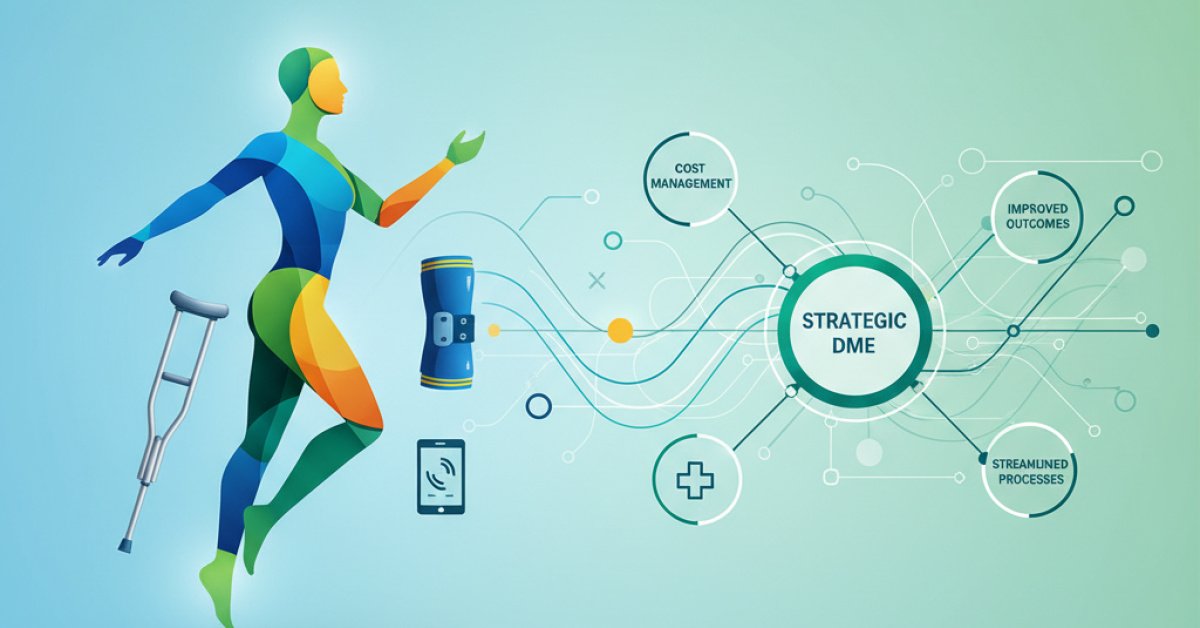
This is where we need to shift our thinking. DME isn't just an add-on anymore. It’s a core part of the recovery strategy.
As my friend Michelle Despres, a physical therapist with 27 years of experience in workers' comp, puts it, “DME covers a broad plethora of things — crutches, wheelchairs, special mattresses, breathing and monitoring equipment — but we’re focusing on those items that support injury recovery or provide some therapeutic value.”
She points out that DME, along with things like prosthetics and orthotics, can make up anywhere from 4% to 13% of the total medical costs on a claim. That’s a significant chunk. “Not every injured worker needs DME,” she explains, “but for those who do, it’s essential to ensure they’re truly the right candidate.”
And that’s the key, isn't it? Making sure the right person gets the right equipment at the right time.
How to Talk to Doctors Without Starting a Fight
Okay, let's talk about one of the trickiest parts of the job: the doctor’s prescription. You get an order for a specific, brand-name piece of equipment with a big "no substitutions" written on it. Your heart sinks a little. You know there are other, more cost-effective options that do the exact same thing. What do you do?
It’s tempting to just push back, but that rarely works. Instead, this is a chance to have a real conversation. The secret is to approach it with curiosity, not confrontation.
Instead of challenging the decision, try to understand the why behind it. Frame your questions collaboratively. You could ask things like:
- "Can you help me understand what symptoms the patient is having that make this specific device the best option?"
- "Are you thinking this will be for long-term use, or just for a short period?"
See the difference? You’re not questioning their medical expertise. You’re working with them to understand the clinical reasoning. This shows you’re a partner in the patient’s recovery, not just a gatekeeper for the budget.
This is where treatment guidelines like the Official Disability Guidelines (ODG) can be your best friend. But please, don't use them as a weapon to deny care. Think of them as a conversation starter. They can help you automate approvals for standard, effective treatments and give you solid talking points for cases that are a little outside the box. The goal is never to restrict care, but to make sure it’s appropriate and evidence-based.
The Big Debate: Should You Buy It or Rent It?
Once you’ve agreed on the right piece of equipment, the next question is always: do we buy it or rent it? This decision is about more than just the initial price tag. It can have a real impact on the patient’s recovery and the total cost of the claim.
The first thing to consider is how long the person will need it. This is often a tough one to predict, but it’s the most important factor.
When Buying Makes Sense
Purchasing the equipment outright can be a great move if you know the recovery will be a long one. Over time, it’s almost always cheaper than renting month after month. Plus, owning the device allows for customization, which can make it more comfortable and effective for the patient. Some programs even have trial periods, which is fantastic—let the person try it before you commit.
When Renting is the Smarter Choice
But buying isn't always the answer. What happens when the machine breaks? Medical devices can and do malfunction, and a patient might not even realize it’s not working correctly. When you rent, maintenance and support are usually part of the deal. That’s a huge relief.
You also have to think about the "total cost of ownership." Some equipment needs ongoing supplies, like electrodes for a TENS unit or gel for an ultrasound machine. Those costs can add up fast.
And most importantly, think about the patient themselves. Does the person have cognitive challenges? Do they live alone? Are they dealing with a really complex injury? If so, a device that needs regular upkeep might be too much for them. A rental that comes with support services is often a much safer bet. As Michelle always says, “Every injured worker is different.” The guidelines are just that—guides. Sometimes it makes sense to go outside them for the right reason.
Watch Out for These Common DME Pitfalls
Even with the best intentions, things can go wrong. Being aware of the common hurdles can help you spot them early and prevent them from derailing a recovery.
The Problem: A Bad Fit
This is probably the most common issue we see. A Controlled Ankle Motion (CAM) boot that’s too tight can cut off circulation. One that’s too loose doesn’t provide any support. Either way, it’s not helping, and it could even be causing harm.
The Problem: The Ripple Effect (Secondary Injuries)
You’ve probably heard this before. A worker gets a walking boot for their ankle, and a few weeks later they’re complaining about a sore back or hip. It’s easy to dismiss this as a separate issue, but it’s almost certainly related.
“If you have injured workers who say — after wearing the boot — ‘my back hurts’ or ‘my hips hurt’, those certainly could be irritated, inflamed, or fatigued because they’re doing more work,” Michelle explains. The body is compensating. It’s our job to anticipate this and let the injured worker know it might happen. Don't dismiss their new pains; address them as part of the treatment.
The Problem: Safety Hazards at Home
We're sending complex medical equipment into people’s homes. We have to think about safety. Cords from electrical devices are trip hazards. Thermal units can cause burns if used improperly or if someone falls asleep with one on.
Patient education is everything here. Instructions need to be crystal clear. Use videos, pictures, and follow-up calls to make sure they really understand how to use the equipment safely.
The Problem: They Just Don't Use It
This is the most frustrating one. You go through all the work to get the perfect device, and it just sits in a corner collecting dust. "If they’re compliant, it’s a wonderful thing. If they’re not compliant, then it’s money that’s wasted,” Michelle says.
So, how do you boost compliance?
- Explain the 'Why': Make sure the patient understands why this device is so important for their recovery.
- Keep it Simple: Choose equipment that matches the patient's abilities and living situation.
- Use Technology: Some devices actually have monitoring features that can tell you if they’re being used. This data can be incredibly helpful.
Ultimately, getting DME right comes down to one simple idea: stop thinking about equipment and start thinking about the person. Every injured worker is unique. By focusing on their individual needs, using guidelines as a tool for conversation, and anticipating potential problems, we can do more than just manage costs. We can genuinely help people get back to their lives faster and healthier. And isn't that what this is all about?