You know, in the world of insurance, we talk a lot about trust. You trust that when you pay your premiums, the company will be there for you when disaster strikes. It’s a promise. And on a much larger scale, that's what FEMA is supposed to be—a promise from the government to its citizens that when the worst happens, there's a safety net.
So, when a story breaks about that trust being shattered, it really gets my attention. And frankly, this one is a doozy.
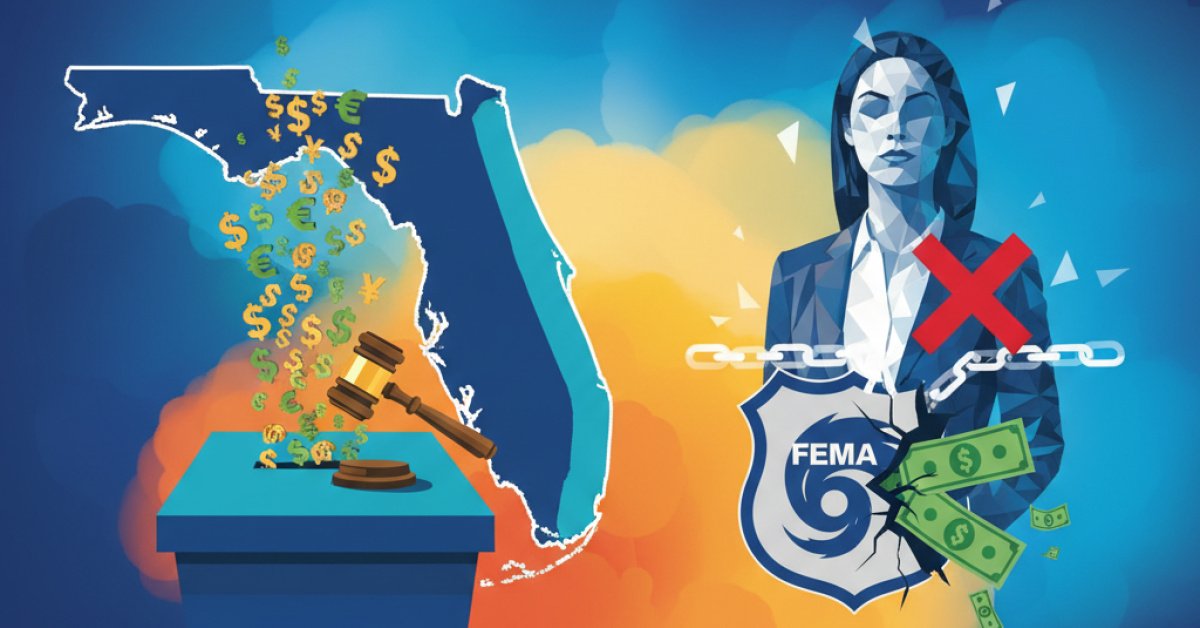
A federal grand jury in Miami just handed down an indictment against a sitting U.S. Congresswoman, Sheila Cherfilus-McCormick, alleging that she and her brother misused a staggering $5 million in FEMA funds. And what for? Not to rebuild homes or help families recover. Prosecutors say they used it to fund her 2021 congressional campaign.
Let that sink in for a minute. Money meant for disaster victims may have been used to print flyers and run campaign ads. It’s a tough pill to swallow.
So, What Exactly Are the Allegations?
Let's break this down into simple terms, because legal documents can be a real headache.
At the heart of it, federal prosecutors are charging Rep. Cherfilus-McCormick, who is 46, and her brother, Edwin Cherfilus, 51, with a pretty brazen scheme. The indictment claims they funneled federal disaster relief money—specifically FEMA funds—directly into her campaign coffers.
This isn't just an accounting error or a minor slip-up. We're talking about millions of dollars that were designated to help people in their absolute darkest hours. Think about it: FEMA is the agency that steps in after a hurricane flattens a town or a wildfire torches a community. That money is a lifeline.
The accusation is that this lifeline was treated like a personal piggy bank for political ambition. It’s a serious charge, and it paints a pretty ugly picture of public funds being exploited.
Why This Hits Home for Anyone Who Cares About Insurance
You might be wondering, "Okay, it's a political scandal, but what does this have to do with insurance?" It has everything to do with it.
Think of FEMA as a form of national insurance. We all pay into it through our taxes. It’s the backstop when private insurance isn't enough or when a catastrophe is so widespread that the entire system is strained. It’s the ultimate "rainy day" fund for the country.
When someone allegedly commits fraud against FEMA, it’s no different than someone committing insurance fraud. Who ends up paying the price? We all do.
- It Erodes the Safety Net: Every dollar that's misused is a dollar that can't go to a family who just lost their home. It weakens the entire system and leaves real victims with less support.
- It Betrays Public Trust: We have to believe that these massive government programs are being run with integrity. When a public official is accused of this kind of self-dealing, it makes everyone cynical. It makes you wonder where your tax dollars are really going.
- It Drives Up Costs: Just like in private insurance, fraud isn't a victimless crime. It creates waste and necessitates more bureaucracy, more oversight, and more red tape to prevent it from happening again. Ultimately, the cost of that gets passed down to all of us.
This isn't some abstract problem happening in a vacuum. This is about real money intended for real people in crisis.
A Stark Reminder About Oversight
This case really shines a spotlight on a critical issue: accountability. Whether it’s a private insurance carrier or a massive federal agency, there have to be checks and balances in place to make sure money goes where it’s supposed to.
When you see an indictment like this, it’s a sign that the system, at some level, is working. Investigators and prosecutors are doing their jobs to uncover wrongdoing. But it’s also a scary reminder of how vulnerable these large pools of money can be.
The process of getting aid out quickly after a disaster is a monumental task. Unfortunately, that speed and scale can sometimes create opportunities for people to take advantage of the system.
As this case moves through the courts, we’ll learn more about the specifics of how this alleged scheme was pulled off. But for now, it serves as a powerful lesson. The integrity of our disaster relief programs is something we can't take for granted. It's built on trust, and when that trust is broken, it's not just a headline—it's a betrayal of the promise we make to each other to be there in times of need.