You know that feeling when the temperature absolutely plummets? That deep, bone-chilling cold that makes you grateful for a warm, cozy home. Well, right now, thousands of families across Europe are huddled inside, hoping their heating systems can handle the pressure of a brutal Arctic cold snap.
But for many, this isn't just another winter storm. It's a high-stakes, real-world test.
Over the last few years, particularly in places like Poland, there's been a massive push to go green. Families have been trading in their old, dirty coal furnaces for modern, eco-friendly heat pumps, often paired with solar panels. It's a fantastic move for the planet and for air quality. But here’s the thing no one was really talking about until now: what happens when this new technology faces its first true trial by fire… or in this case, by ice?
This cold snap is more than just a weather story. It’s a huge, unfolding story about risk, technology, and, you guessed it, insurance.
The Great Green Switch
Let’s back up for a second. Why the big rush to install heat pumps in Poland? For decades, many homes relied on burning coal for heat, which, as you can imagine, created some serious smog and air pollution problems, especially in the winter.
So, the government, with a nudge from the EU, rolled out programs and subsidies to help people make the switch. It was a win-win. Homeowners got brand new, efficient heating systems, and the air in their neighborhoods got cleaner. Thousands of families jumped on board, investing in a cleaner, more modern way to heat their homes.
It felt like a perfect solution. But every new technology has a learning curve, and sometimes, that curve is a vertical wall of ice.
What Happens When the Mercury Dives?
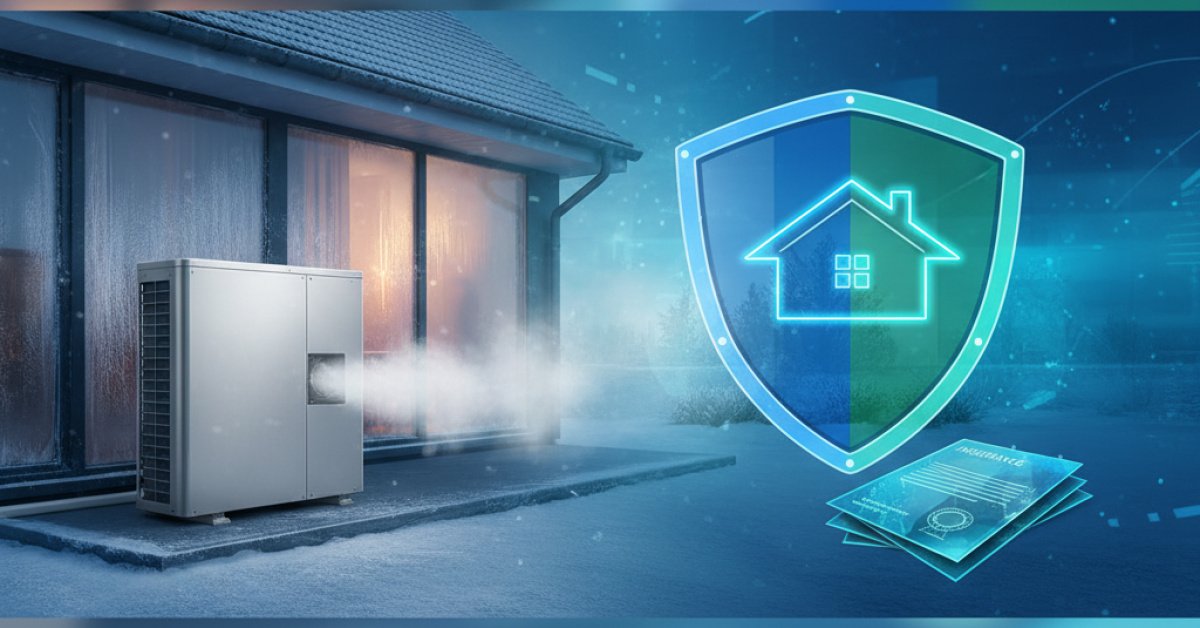
Here's the challenge. Heat pumps work by pulling heat from the outside air and moving it inside. It’s a brilliant piece of engineering, but it gets a lot harder when the outside air is, say, -15°C (5°F) or even colder.
When temperatures drop that low, the system has to work overtime. It uses a lot more electricity to produce the same amount of heat. Some systems even have a built-in backup, like an electric resistance heater (think of it like a giant toaster coil), which kicks in to help. That backup, however, can be incredibly expensive to run.
So, families across Europe are now facing a double-whammy:
- Will the system keep up? Can the heat pump alone handle the extreme cold, or will it fail to keep the house warm?
- What will the electricity bill look like? If the less-efficient backup heat has to run for days on end, the cost could be astronomical.
This isn’t some theoretical problem. This is happening right now. It's the ultimate stress test, and it’s shining a massive spotlight on a potential gap in how we protect our homes.
The Insurance Question Nobody Was Asking
Imagine you’re one of these homeowners. You spent a significant amount of money on a brand-new heat pump. You did the right thing for the environment. And now, in the middle of a record-breaking cold snap, it sputters, strains, and dies.
Suddenly, you have no heat. That’s not just uncomfortable; it’s dangerous. Your pipes are at risk of freezing and bursting, which can cause catastrophic water damage.
This is where your homeowner's insurance is supposed to step in, right? Well… maybe.
The truth is, a standard home insurance policy can be a bit tricky when it comes to this stuff. A policy might cover a furnace if it’s damaged by a fire or a falling tree, but what about a simple mechanical breakdown? Or a failure because it was pushed past its operational limits by extreme weather?
That’s often a gray area.
Is Your Policy Ready for Our New Climate Reality?
This situation in Europe is a perfect, if unfortunate, example of why we all need to rethink our insurance coverage. As we adopt new technologies and face more extreme weather, our policies need to keep up.
If you’ve recently upgraded your home’s systems—whether it’s a heat pump, solar panels, or a fancy new HVAC unit—it's time for a quick insurance check-up. Here’s what you should be looking for:
Equipment Breakdown Coverage: This is the big one. It's an add-on to most homeowner's policies that specifically covers the mechanical or electrical failure of your home’s systems. Think of it as a warranty for things your standard policy won't touch, like your HVAC, water heater, and yes, your heat pump. It’s usually not very expensive, but it can be an absolute lifesaver.
Sufficient Dwelling Coverage: A new heat pump system can cost thousands, or even tens of thousands, of dollars. Did you update the replacement cost value of your home after installing it? If your house had to be rebuilt, you want to make sure your policy has enough coverage to include these expensive new systems, not just the old furnace it replaced.
Coverage for Resulting Damage: Let's go back to that frozen pipe scenario. If your heat pump fails and your pipes burst, you need to be sure your policy will cover the resulting water damage. Most standard policies do, but it’s always good to confirm, especially the limits and deductibles.
What’s happening in Poland is a wake-up call. It shows us that preparing our homes for the future isn't just about installing new gadgets; it's about making sure our financial safety net is ready for them, too. The families facing this cold snap are on the front lines, and we can all learn from their experience.
So, take a few minutes this week. Pull out your insurance policy or give your agent a call. Ask them directly about your heat pump or HVAC system. Ask about equipment breakdown coverage. It's a simple conversation that can provide incredible peace of mind the next time the weather decides to put your home to the test.