It seems like a no-brainer, right? A booming industry like cannabis comes knocking, promising a huge injection of tax revenue, jobs, and new life for a local economy. For many towns, especially smaller, more rural ones, it feels like hitting the jackpot.
But a fascinating story unfolded in Niles Township, a small community in Michigan right on the border with Indiana. This past summer, the local board gave a preliminary thumbs-up to a plan that would have created a "cannabis corridor"—a single road that would become home to a whopping 21 cannabis dispensaries.
Then, on November 4th, the decision was put to the people. And in a move that surprised a lot of folks, the residents said, "No, thanks." A decisive majority, nearly 6 out of every 10 voters, rejected the plan entirely.
So, what happened? Why turn down what looks like free money?
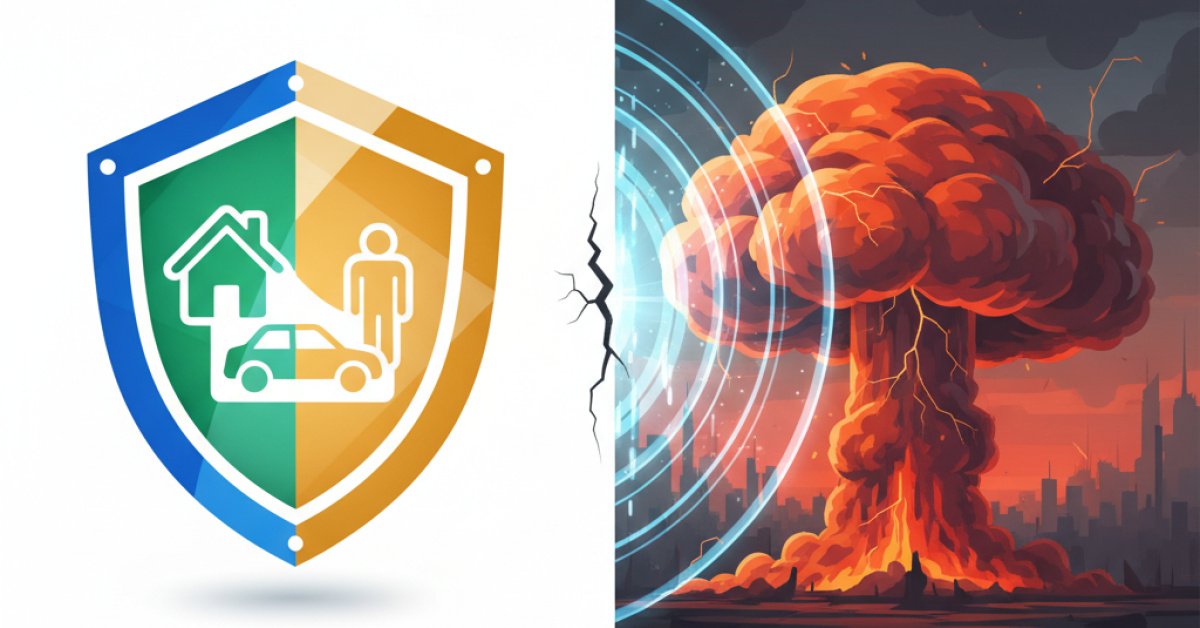
If you ask me, this wasn't just a vote about pot. It was a massive, real-world exercise in risk management. The people of Niles Township essentially acted like insurance underwriters for their own community. They looked at the potential rewards, weighed them against the perceived risks, and decided the policy just wasn't worth the premium. And it tells us a lot about the tricky world of insurance in the cannabis space.
What Risks Were the Voters Worried About?
Let’s be real. When you cram 21 of any single type of business onto one road, especially one surrounded by farmland and existing businesses, you’re going to change the character of the place. The residents were likely weighing a few key concerns that, funny enough, mirror the exact things an insurance company would flag.
Think about it from their perspective:
- Increased Crime: Cannabis dispensaries are often cash-heavy businesses, making them potential targets for theft and burglary. That’s a direct risk not just to the store, but to the entire area.
- Traffic and Accidents: A "cannabis corridor" is designed to draw people in, including from out of state (hello, Indiana). More cars mean more congestion and a higher potential for accidents, including DUIs. That’s a huge liability concern for any town.
- Property Values: Would the neighboring homes and businesses see their values go up or down? It’s a gamble. Some might benefit, but others might see their insurance premiums rise or their property become less desirable.
- Community Character: This is the intangible one, but it’s huge. The residents decided the potential economic gain wasn't worth changing the fundamental feel of their rural township.
In the end, they looked at the "what ifs" and decided the risk was too high. They chose to self-insure against these potential problems by simply avoiding them altogether.
The Insurance Hurdle Those 21 Shops Never Got to Face
Now, let's flip the coin. Imagine the vote had gone the other way. The owners of those 21 potential dispensaries would have celebrated for a night, then woken up to one of the biggest headaches in the industry: getting insured.
Insuring a cannabis business isn't like insuring a bakery or a bookstore. It’s a completely different ballgame, and it's incredibly tough.
Here’s why: because cannabis is still illegal at the federal level, many of the big, national insurance carriers won't touch it. They’re worried about federal banking regulations and the legal gray area. This creates what we call a "hard market."
Fewer insurers means less competition, which leads to:
- Sky-High Premiums: Basic coverage costs a fortune compared to other retail businesses.
- Limited Coverage: It can be tough to get the high liability limits you really need.
- Tons of Exclusions: Policies are often riddled with clauses that can deny a claim.
What Kind of Insurance Would They Have Needed?
For each of those 21 businesses, the shopping list for insurance would have been long and expensive.
They'd start with the basics, like General Liability (for a customer slip-and-fall) and Commercial Property Insurance (if the building burns down). But for cannabis, even these are complex. Property insurance has to cover not just the building, but the incredibly valuable inventory—the plants and finished products. And the fire risk, especially if there's any processing on-site, is something underwriters look at very, very closely.
Then you get into the specialty stuff. Product Liability Insurance is an absolute must. What happens if a customer claims your product made them sick or had a bad reaction? Without this coverage, a single lawsuit could wipe you out.
And what about theft? A standard policy might not cover the loss of a cash-heavy inventory. They'd need specific Theft and Crime Coverage. On top of that, you have Workers' Compensation for employees and Cyber Insurance to protect all that customer data they'd be collecting. It's a mountain of paperwork and a massive operating expense.
The Ripple Effect on the Whole Neighborhood
Here’s the part that often gets missed in these discussions. The insurance impact wouldn’t have stopped at the doors of the dispensaries. It would have rippled out to every other business and property owner on that road.
Insurance companies assess risk based on an area, not just a single building. When you suddenly introduce 21 businesses that the industry considers "high-risk" into one concentrated spot, the risk profile of the entire neighborhood changes.
The family-owned diner next door? Their insurance carrier might suddenly get nervous. The farmer with land backing up to the new corridor? Their property and liability rates could see a jump. Insurers might see the area as a new hotspot for crime or traffic incidents, and that perception can lead to higher premiums for everyone, whether they’re involved in the cannabis industry or not.
So when the residents of Niles Township voted no, they weren't just making a decision for themselves. In a way, they were protecting their neighbors from the potential financial fallout of a changing insurance landscape.
It’s a powerful reminder that in business, and in life, risk is never isolated. It spreads. And sometimes, the smartest move is to simply decide that the potential reward just isn't worth the headache for everyone involved.