Let’s be honest for a second. If you work in workers’ comp, you know the daily grind can be… a lot. The paperwork, the back-and-forth, the sheer volume of information you have to juggle—it’s enough to make anyone’s head spin. For years, the industry has felt stuck in old-school processes while the rest of the world zoomed ahead with new tech.
But what if that’s finally starting to change? What if technology wasn’t about adding another complicated system to your plate, but about actually making your job easier?
I recently had the chance to really dig into what’s happening behind the scenes, looking at how a major player like Optum is thinking about the future. Their CEO, Matt Wolfe, has some refreshingly practical ideas. The big takeaway? The future of workers’ comp isn't about replacing people with robots. It’s about giving smart tools to the talented people already doing the work, so they can focus on what really matters: helping injured folks get better.
So, Where is Technology Actually Making a Difference?
We hear about AI all the time, and it’s easy to dismiss it as just another buzzword. But it’s starting to show up in some genuinely useful ways.
Imagine you’re a claims professional looking at a complex case. You’ve got clinical guidelines from one source, state regulations from another, and a mountain of claim details to sift through. Instead of spending an hour piecing it all together, an AI tool could synthesize all that information for you in seconds. It’s not making the decision for you, but it’s serving up all the key info on a silver platter so you can make a smart, fast decision.
That’s exactly the kind of thing Wolfe is excited about. Optum is building this capability right into their redesigned VitalPoint® platform. The goal is simple: help claims pros understand what’s going on with a claim and keep it moving forward without getting bogged down.
But it’s not just about flashy AI. Sometimes, the biggest wins come from simply digitizing old, clunky processes. Think about the ancillary services side of things—getting durable medical equipment (DME), home health visits, or supplies to an injured worker. A lot of that is still surprisingly manual. By bringing that process online, you get faster turnaround times and a much better experience for everyone. The injured person gets their supplies quicker, and the client gets faster, more useful data. It’s a win-win.
A Tale of Three Businesses: Not a One-Size-Fits-All Approach
One thing that really stood out is that you can’t just flip a switch and "digitize" the entire workers' comp industry. Different parts of the business are at totally different stages. Wolfe breaks it down into three main buckets:
-
Pharmacy: This is the most tech-savvy part of the operation. Why? A lot of it comes down to regulations that pushed the whole industry toward things like e-billing and clearinghouses. They're probably 90% of the way there, but still finding ways to improve the small things, like how pharmacy cards are delivered or how network pharmacies get paid faster.
-
Ancillary Services (DME, Home Health, etc.): This is where things get manual. It’s still heavy on phone calls and faxes. A referral comes in, and a team has to shepherd it through, finding the right supplier and the right price. Wolfe admits they’re maybe halfway there in terms of transformation, but this is an area where he sees huge potential. Streamlining this will make a massive difference in getting people what they need, when they need it.
-
Medical Cost Management: This is all about making sure the right services are being paid for. Here, the opportunity is in building smarter tools. For example, creating a PPO solution that helps you find the right doctor not just based on their location, but on their actual patient outcomes. That’s a game-changer.
Can We Finally Make the Adjuster’s Job Less Stressful?
If there's one thing I hear constantly from clients, it's that claims professionals are buried. There’s a talent shortage, which means fewer people are being asked to do more work. It’s a recipe for burnout.
This is where thoughtful technology can be a lifeline. The recent updates to the VitalPoint portal are a perfect example. They didn’t just add more features; they focused on usability. They gave it a modern "app" feel, like what you’d see on your smartphone, bringing the most important information forward.
Think about it. If you can reduce the number of clicks it takes to approve something from ten down to four, that might not sound like a lot. But multiply that by dozens of claims a day, and you’ve just given that adjuster back a significant chunk of their time. They feel less overwhelmed, they can process more work, and they can focus their energy on the claims that truly need their expertise. It’s the small, practical improvements that add up to a big impact.
Untangling the Messy World of DME Referrals
Let’s talk about Durable Medical Equipment (DME). On the surface, it seems like it should be as simple as a pharmacy transaction. But it’s a whole different beast.
As Wolfe explained, the process today is often way more complex than it needs to be. A claims pro sends out a referral, often to a whole panel of different providers. Then it becomes a race—whoever can provide the best price and the quickest delivery gets the business. This creates a ton of back-and-forth and wasted effort.
But what if you could change that?
What if, instead of sending a referral and waiting, a claims professional could just point and click: "I need this for this person on this date," and the technology handles the rest? Even better, what if the doctor could order the supply directly during the visit, confirm the details with the injured person right there, and send it straight to the claims pro for a quick approval?
That’s the vision. By digitizing and streamlining this process, you cut out so many unnecessary steps. You reduce the risk of chasing down a supply only to find out another provider got the business. You get the equipment to the injured person faster, which is the whole point. It’s about rethinking a process that we’ve just gotten used to because "that's how it's always been done."
It Always Comes Back to People and Purpose
For all the talk about tech, the most powerful changes are happening on the human side. Optum’s workers' comp division was formed from several different companies that specialized in different things—pharmacy, bill review, and so on. Naturally, some walls existed between those groups.
One of Wolfe’s biggest priorities has been to break down those silos and get everyone operating with a small-business mentality. They’re intentionally moving people around—someone who ran DME operations might go spend time in the pharmacy side of the business. This cross-pollination spreads best practices and helps everyone see the bigger picture. It’s not just about processing a prescription; it’s about helping a person recover.
This led to a really interesting realization. On the pharmacy side, the old business model was actually at odds with their mission. Think about it: if your company makes money every time a prescription is filled, then helping someone get better and stop needing medication actually reduces your revenue. That’s a fundamental misalignment.
So, they’re actively shifting to a model that rewards them for outcomes, not volume. They want to be incentivized for getting someone back to work faster and saving their clients money. That’s a huge, and I think incredibly positive, shift in thinking for the industry.
So, Is AI Coming for Our Jobs?
This is the big question on everyone’s mind, right?
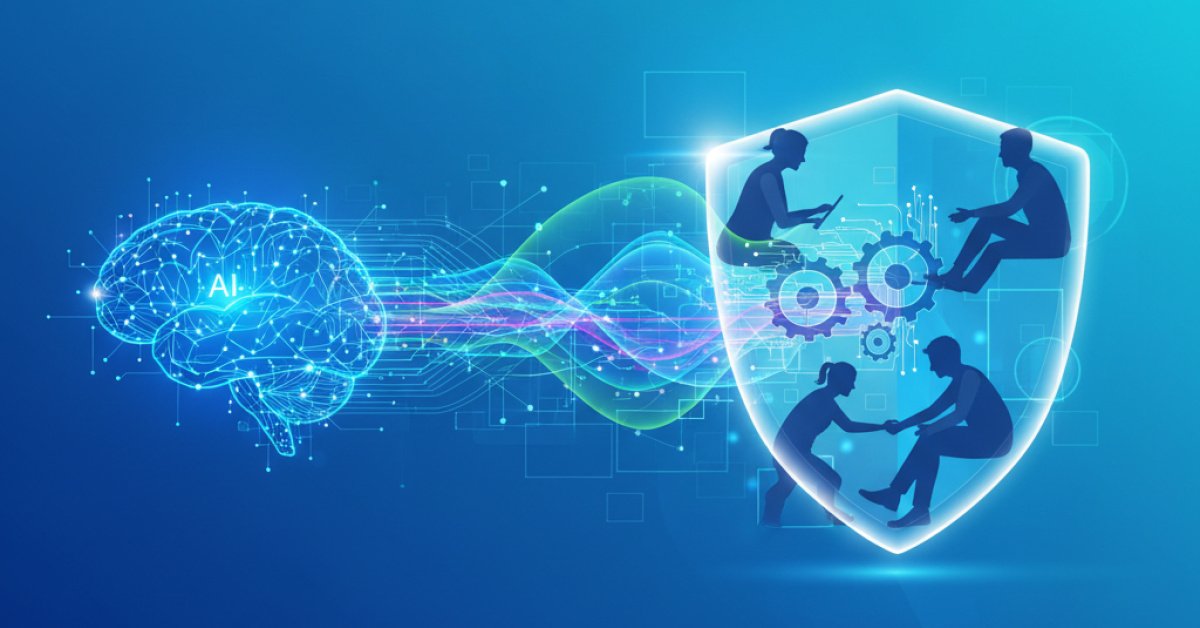
The answer, at least from what I'm seeing here, is a firm no. The strategy isn't to replace people; it's to upskill them. AI is being positioned as a tool to handle the routine, administrative tasks so that humans can focus on the more complex, value-added work.
It’s not that different from when we moved from typewriters to computers. We all had to learn new skills, but it ultimately made us more productive. Now, employees are learning how to write prompts and set up AI agents to help them with repetitive tasks.
The key is that there’s always a human in the loop. AI can find information, synthesize it, and present it in plain language, but a person makes the final call. The goal is to empower your team with better tools so they can focus on what they do best: applying their expertise and compassion to help people navigate a really difficult time in their lives. And at the end of the day, that’s what this should all be about.