Have you ever looked around your living room and counted how many things are connected to the internet? I did the other day, and honestly, it was a little startling. The TV, the smart speaker, the thermostat, even the lightbulbs. We’ve welcomed all this incredible convenience into our homes, but it comes with a question most of us never think to ask: what are these devices really doing?
We worry about someone hacking our laptop or stealing our password. But what if the threat is quieter? What if your smart TV or Wi-Fi router was being secretly used by total strangers to hide their tracks online, all without you knowing?
It sounds like a plot from a spy movie, but it's a very real scenario that’s making headlines right now. The FBI is currently investigating whether a subsidiary of a data-collection firm called Alarum Technologies was involved in doing exactly that—linking people's home internet devices into a massive network, all without their permission.
This isn't just a tech story; it's a huge wake-up call for all of us. And it shines a massive spotlight on a gap in most people's financial safety net.
So, What’s This FBI Investigation Really About?
Let me break this down in simple terms, because the technical jargon can get confusing fast.
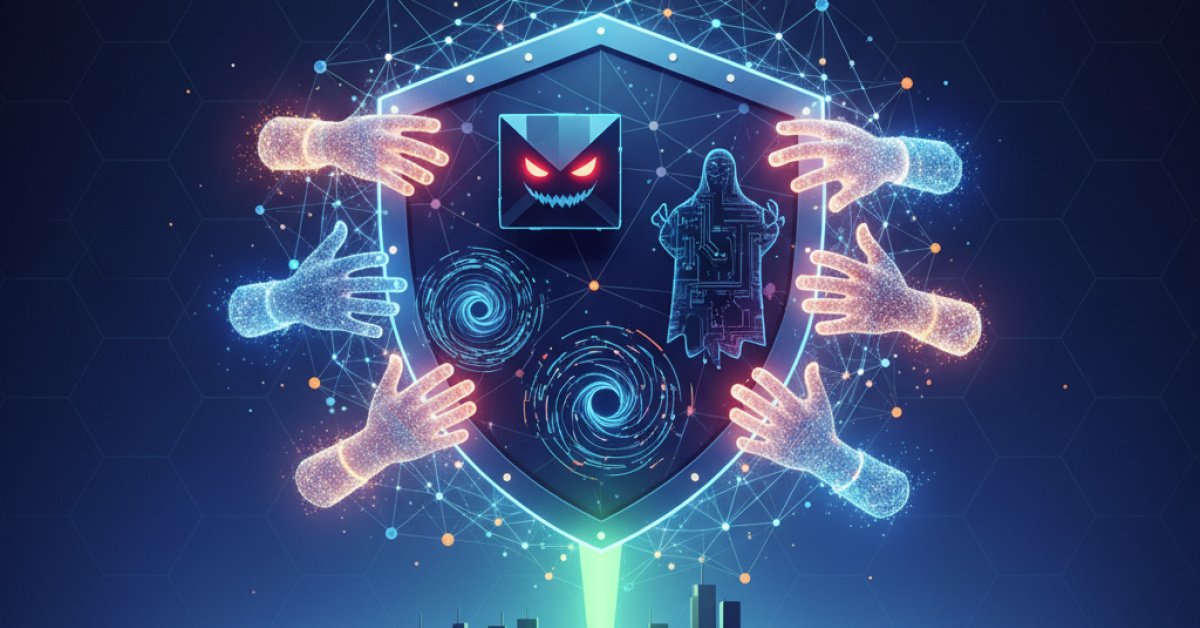
The investigation is looking into whether this company helped create something called a "residential proxy network."
Think of it like this: Your home has a unique internet address, just like your house has a unique mailing address. It’s called an IP address. When you browse the web, your IP address is attached to everything you do.
Now, imagine you let a stranger use your mailing address to send and receive their packages. You have no idea what they're sending or receiving, but if the police find something illegal in one of those packages, who are they going to visit first? You. Because your address is on the box.
A residential proxy network does the same thing, but digitally. It lets someone in another country "borrow" your IP address to browse the internet. To the rest of the web, it looks like they are you, sitting on your couch, using your Wi-Fi. The Alarum investigation centers on the allegation that people's devices were roped into this kind of network without their clear consent.
Why This Is a Bigger Deal Than Just Slower Netflix
Your first thought might be, "Okay, so someone is using my bandwidth. My internet might be a little slower. Annoying, but what's the big deal?"
Unfortunately, the risks go way beyond a buffering movie.
Here’s the scary part:
- You could become an unwilling accomplice. If someone uses your IP address to hack a company, buy illegal goods, or post threats online, the digital trail leads directly back to your front door. Proving your innocence could be a nightmare of legal fees and stress.
- It’s a security backdoor. If someone has enough access to your device to use its internet connection, what else can they access? It could be a gateway for hackers to get into your entire home network, putting your personal files, bank accounts, and private information at risk.
- There are hidden costs. You’re paying for the internet they’re using. If you have a data cap, you could be hit with overage fees for traffic that isn't even yours.
This is a new kind of home invasion. It's silent, it's digital, and most people have no idea it's even possible. Which brings us to the big insurance question...
Does Your Homeowner's Insurance Have Your Back? (Spoiler: Probably Not)
If your house gets hit by lightning or a burglar steals your TV, you know exactly what to do: you call your insurance agent. But what do you do when the theft is digital and the damage is invisible?
Here’s the hard truth: your standard homeowner's or renter's policy is almost certainly not designed to cover this kind of mess.
Those policies are built for the physical world. They cover things like:
- Property Damage: Fire, smoke, wind, theft of physical objects.
- Personal Liability: If someone slips and falls on your sidewalk or your dog bites the mail carrier.
The problem is that digital risks don't fit neatly into these boxes. An insurance adjuster can see a hole in your roof, but they can't see a hijacked IP address. The financial damage from a cyber incident—like the cost of hiring an IT expert to clean your network or a lawyer to defend you—isn't considered "property damage" in the traditional sense.
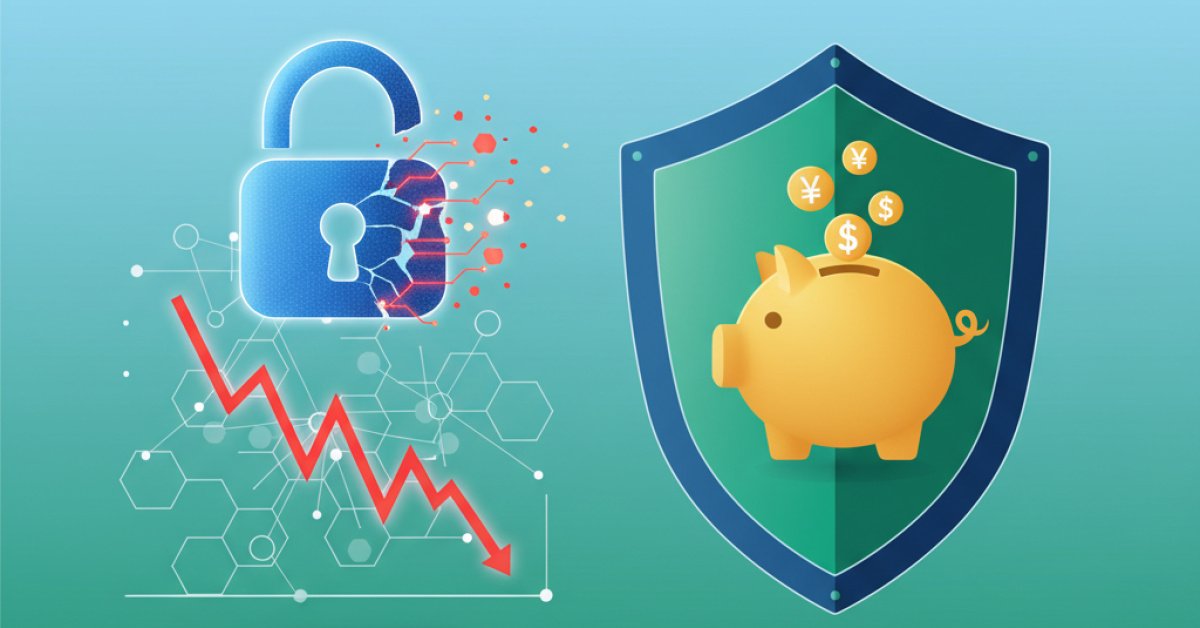
So, when it comes to these modern digital threats, most of us are walking around with a massive, invisible coverage gap.
Let's Talk About Personal Cyber Insurance
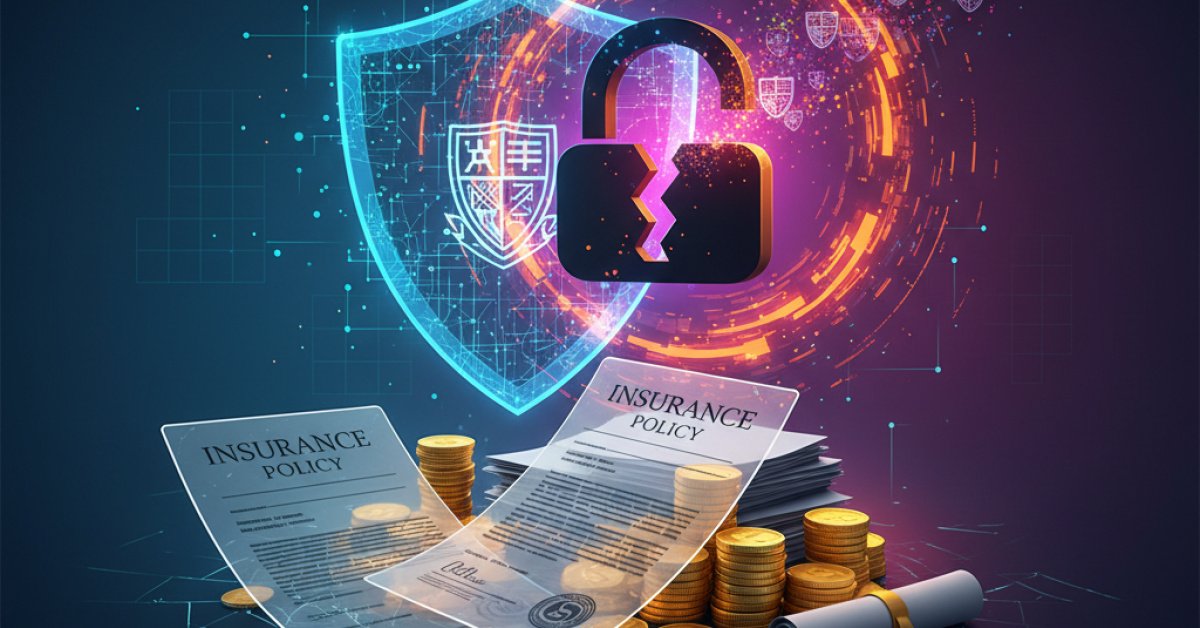
This is where the insurance world is finally catching up to our connected lives. There’s a specific type of coverage designed for exactly these kinds of 21st-century problems: personal cyber insurance.
It’s a relatively new product, but it’s becoming more essential every day. Think of it as an add-on to your home insurance, or a standalone policy, that protects your digital life the way your homeowner's policy protects your physical one.
While every policy is different, here’s what personal cyber coverage can help with in a scenario like the one the FBI is investigating:
- Cyberattack Response: This can cover the costs of hiring forensic IT experts to figure out what happened, remove malware, and secure your home network.
- Data Recovery: If the breach leads to your personal data being corrupted or deleted, it can help pay for professional services to restore it.
- Identity Theft and Fraud: It often includes services to help you restore your identity and recoup financial losses if your personal information is stolen and used for fraud.
- Legal Expenses: This is a big one. If you're wrongly investigated for a crime committed using your IP address, this coverage can help pay for legal defense costs.
The investigation into Alarum is a perfect, if unsettling, example of why this coverage exists. The risks we face are no longer just in the physical world. Our digital front doors are wide open, and we need the right kind of locks.
So, What Can You Do Right Now?
Look, the goal here isn't to make you want to throw your smart speaker in the trash. The key is to be aware and be prepared.
First, practice some basic digital hygiene. Update the software on your devices, use strong and unique passwords (a password manager is your friend!), and be very skeptical of "free" apps or software that might have hidden clauses in their terms of service.
Second, and most importantly, have a conversation with your insurance agent. Ask them directly: "What kind of coverage do I have for a personal cyber incident?" Ask about a personal cyber insurance add-on. It’s often surprisingly affordable, and the peace of mind it provides is invaluable.
The world is changing fast. A decade ago, the idea of your toaster being part of a secret network was science fiction. Today, it’s the subject of an FBI probe. Our risks have evolved, and it’s time for our financial protection to evolve, too.