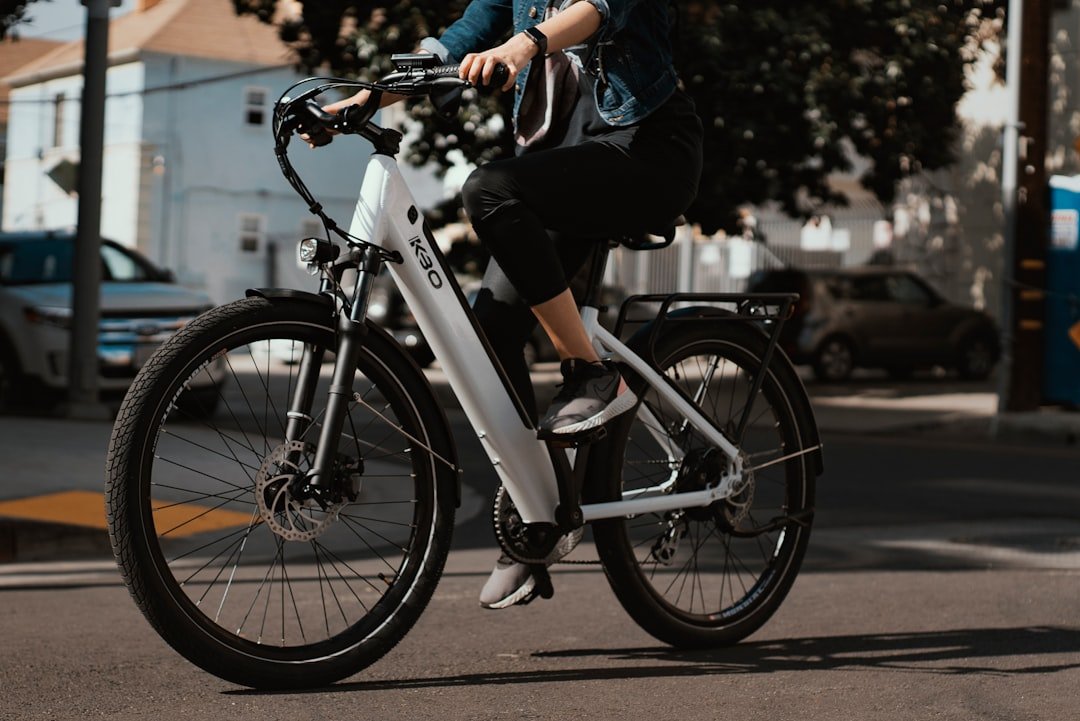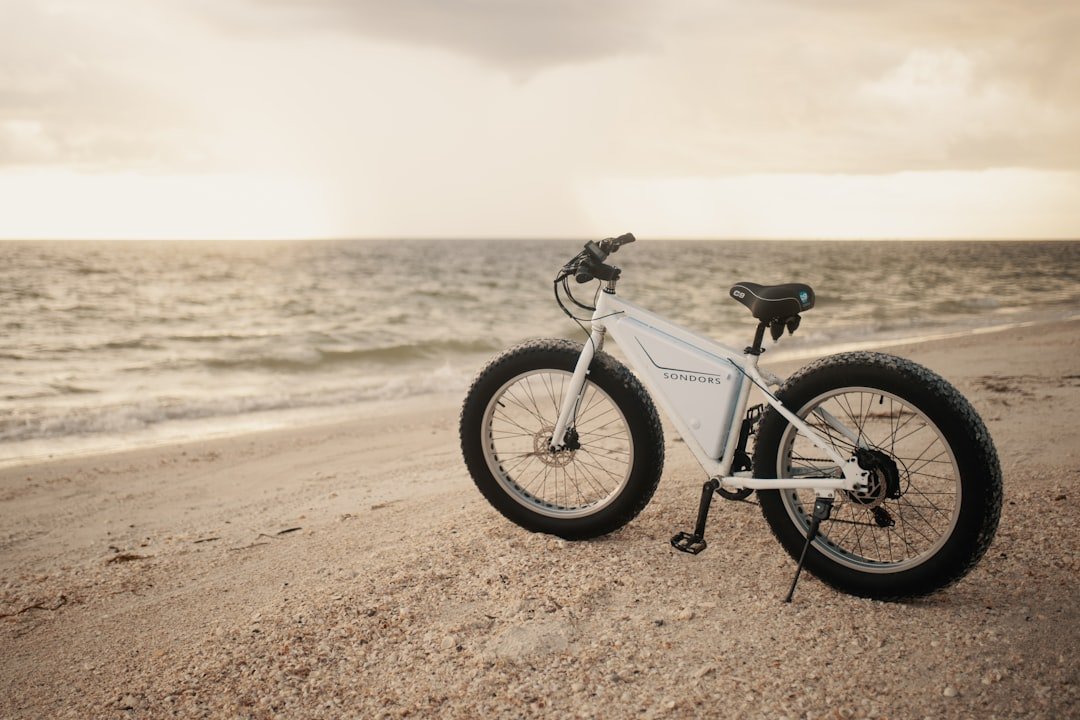
Have you noticed it, too? That sudden whoosh as an e-bike silently zips past you on the sidewalk or weaves through traffic. They’re everywhere these days, and honestly, it’s a bit of a mixed bag. On one hand, they’re a fantastic, eco-friendly way to get around. On the other, it feels a little like the Wild West out there.
It seems like nobody—not the riders, not the drivers, not the pedestrians—is quite sure what the rules are.
That confusion is exactly what a new piece of legislation in Florida was trying to fix. Lawmakers put together a bill to create some clear safety rules for e-bikes. But in a move that surprised a lot of people, especially after a recent, tragic accident involving a teenager on an e-bike, Governor DeSantis vetoed it. He said he was worried about creating "bigger government."
So, the bill is dead, and the confusion remains. But this isn't just about traffic rules. This decision has some pretty significant ripple effects, especially when it comes to something we all have to deal with: insurance. Let’s talk about what this really means for you, whether you’re on two wheels or four.
What Was This E-Bike Bill Trying to Do, Anyway?
Before we get into the insurance mess, it helps to understand what Senate Bill 382 was aiming for. It wasn't about banning e-bikes or anything that dramatic. The goal was simply to put some common-sense guardrails in place.
Think of it like getting a driver's license. You have to learn the rules of the road before you can operate a two-ton vehicle. This bill was trying to apply a little of that logic to powerful, fast-moving e-bikes.
While the specifics were all debated, the general idea was to introduce requirements that could have included:
- Minimum age limits for operating certain classes of e-bikes.
- Rules about where different types of e-bikes could be ridden (bike lanes, roads, sidewalks).
- Potentially, some basic safety training or registration.
The whole point was to create a clear, statewide standard so everyone knew what to expect. But with the governor's veto, we're back to a patchwork of local ordinances and a whole lot of uncertainty.
The Veto: A Stand Against "Bigger Government"
So why would anyone be against a bill like this?
In his veto letter, Governor DeSantis made it clear his concern was about overregulation. The argument is that adding more laws and requirements for e-bike riders creates unnecessary government bureaucracy. It’s a philosophy that prioritizes personal freedom and less government intervention.
I get the argument, I really do. Nobody likes feeling like they're being nickel-and-dimed with new rules. But from an insurance perspective, this is one of those situations where a little bit of regulation can prevent a whole lot of chaos and financial pain down the road.
Without clear rules of the road, figuring out who is at fault in an accident becomes a massive headache. And when fault is hard to determine, insurance claims get complicated, messy, and expensive for everyone involved.
The Big Question: What Does This Veto Mean for Your Insurance?
This is where the rubber really meets the road for most of us. The lack of clear e-bike laws creates a huge gray area, and insurance companies absolutely hate gray areas. Here’s how it could affect you.
If You're an E-Bike Rider…
This is a big one. You might assume you’re covered by your existing insurance, but you’re probably not.
Imagine this: you’re riding your e-bike, you swerve to avoid a pothole, and you accidentally clip a pedestrian, causing them to fall and break their wrist. They have medical bills and miss a week of work. Who pays for that?
You might think your homeowners or renters insurance will cover the liability. But you need to read the fine print. Most of those policies have exclusions for "motorized vehicles." While they might cover a regular bicycle, a powerful e-bike often falls into that exclusion.
Without a specific e-bike insurance policy or a personal liability umbrella policy, you could be on the hook personally for tens of thousands of dollars in medical bills and legal fees. The veto means there's no state-mandated insurance requirement, so the responsibility to get covered falls squarely on your shoulders.
If You're a Car Driver…
You know that feeling of panic when a cyclist suddenly darts out from between two parked cars? Now imagine that cyclist is on an e-bike moving at 25 mph.
If you get into an accident with an e-bike, things get tricky. Let's say the e-bike rider is injured. Since they aren't required to have liability insurance (or any insurance, for that matter), you could find yourself relying on your own policy.
This is where your Uninsured/Underinsured Motorist (UM/UIM) coverage becomes absolutely critical. It’s the part of your auto policy that protects you if you’re hit by someone with little or no insurance. With more unregulated e-bikes on the road, I’d argue that having solid UM/UIM coverage is more important than ever.
If You're a Pedestrian…
This is probably the most vulnerable position to be in. If you're hit and injured by an e-bike rider, your path to getting your medical bills paid is incredibly murky.
You’d have to hope the rider has a special e-bike policy or a very generous homeowners policy that happens to cover the incident. If they don't—and most don't—your only real option is to sue them personally. That’s a long, expensive, and stressful process with no guarantee of a payout.
How to Protect Yourself in This Regulatory Void
So, what can we do? The state decided not to step in, which means the responsibility to be safe and financially protected is on us. It’s not ideal, but it’s the reality we’re working with.
Here are a few practical steps you can take right now:
- Call Your Insurance Agent. Seriously, this is the most important thing you can do. Don't just assume you're covered. Ask specific, direct questions: "Am I covered for liability if I injure someone while riding my e-bike?" and "What happens if I'm hit by an uninsured e-bike rider while driving my car?" Get the answers in writing if you can.
- Look into Specialized E-Bike Insurance. Yes, it exists! Companies are starting to offer policies specifically for e-bikes that cover theft, damage, and—most importantly—liability. If you ride an e-bike regularly, it's a small price to pay for major peace of mind.
- Beef Up Your Auto Policy. Take a hard look at your Uninsured/Underinsured Motorist coverage. With more uninsured riders on the road, this is your primary line of defense.
- Be the Adult in the Room. Whether you're driving a car or riding an e-bike, you have to be extra vigilant. Follow traffic laws, wear a helmet, use lights, and just assume that other people on the road don't see you.
At the end of the day, the debate over regulation will continue. But while politicians argue about the size of government, accidents are still happening. This veto doesn't change the risks on the road; it just shifts the responsibility for managing those risks from the state to you. A quick chat with your insurance professional can help you figure out exactly what you need to do to stay protected.