Have you ever wondered what happens behind the curtain in those big, multi-million dollar lawsuits? It’s not always just a David vs. Goliath story of a lone person taking on a huge company. More and more, there’s a third person in the room: the financier.
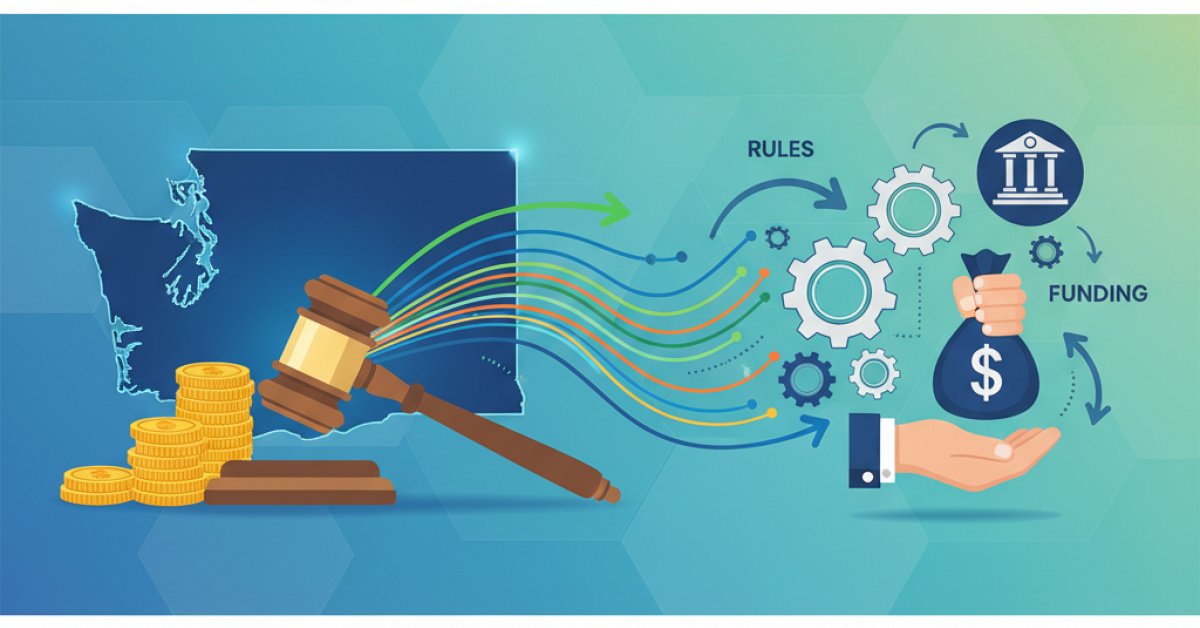
Think of it like "Shark Tank" for legal cases. A company, often a hedge fund or private investment group, will front the cash for a lawsuit in exchange for a big piece of the final settlement or award. This is called third-party litigation financing (TPLF), and it’s a booming, multi-billion dollar industry that operates mostly in the shadows.
But a new push in Florida is trying to shine a bright light on the practice. A lawmaker has revived a bill that asks a pretty simple question: Who should benefit the most from a lawsuit? The answer, according to this proposal, should always be the person who was actually harmed.
So, What’s This New Florida Bill All About?
Let’s get into the nuts and bolts. A bill, recently refiled in the Florida legislature, is taking direct aim at how these litigation funding deals are structured. And honestly, its core idea is refreshingly simple.
The proposed law would cap the amount a litigation funder can collect from a settlement. Specifically, it would bar these outside funders from taking a larger slice of the pie than the plaintiff themselves.
Imagine this for a second. You’re injured in an accident, and you sue. You win or settle for $200,000. After your lawyer takes their third (about $66,000), you’re left with $134,000. But wait—you took money from a litigation funder to cover your expenses during the case. Under some current agreements, that funder could demand $70,000 or more, leaving you with less than half of the initial award. You’re the one who went through the ordeal, but you’re not the one getting the biggest check.
This bill wants to flip that script. It essentially says that the plaintiff’s share, after attorney’s fees, must be the biggest piece of the settlement. The funder can’t walk away with more than the person whose life was turned upside down.
Why Is This Even a Problem?
On the surface, litigation funding sounds like a good thing, right? It gives everyday people the financial firepower to take on massive corporations with deep pockets. It levels the playing field. And in many cases, it does just that.
But here’s the thing—it has also created some pretty tricky situations. Because these funders are investors, their goal is to get the highest return on their investment. This can create a few major headaches:
- It Can Inflate Settlements: Funders might push for longer, more drawn-out legal battles to get a bigger payout, rather than accepting a reasonable early settlement. This drives up legal costs for everyone involved.
- The Plaintiff Can Get Left Behind: We just talked about this. There are real stories of injured people who, after years of fighting, end up with just a tiny fraction of their own settlement money because the lawyers and funders took the rest. It feels fundamentally unfair.
- It’s Opaque: For the most part, nobody has to know a funder is involved. A defendant (and their insurance company) might be fighting a case thinking it’s just against an individual, when in reality, a sophisticated financial firm is calling the shots from behind the scenes.
From where I sit in the insurance world, this has been a growing concern for years. When litigation is driven by profit motives rather than a fair resolution, it clogs up the courts and makes everything more expensive. And guess who ultimately pays for those higher costs? We all do, through higher insurance premiums.
A Cap on Payouts Isn't the Only Thing in the Bill
This isn't just a one-trick pony. The proposed legislation in Florida includes a few other key provisions to bring more transparency to the whole process.
For one, it would require lawyers to disclose the existence of a funding agreement to the other side in the lawsuit. No more secret backers. This alone is a huge deal, because it changes the dynamic of settlement negotiations.
It would also put some guardrails on the contracts themselves, protecting consumers from predatory terms and ensuring the agreements are fair and easy to understand. The goal is to treat these agreements less like a backroom Wall Street deal and more like a regulated financial product.
The Two Sides of the Coin
As you can imagine, not everyone is thrilled about this.
Opponents, mainly the litigation funding industry itself and some trial lawyers, argue that this kind of regulation would stifle access to justice. They say that without their funding, many people with legitimate cases would be forced to accept lowball settlement offers or wouldn’t be able to afford to sue at all. They see it as a move by big business and insurance companies to tip the scales back in their own favor.
On the other side, you have a coalition of business groups and the insurance industry. They argue that this isn’t about denying justice; it’s about ensuring fairness and transparency. They believe that reining in the "Wild West" of lawsuit funding will lead to faster, more equitable settlements and help control the runaway costs of litigation that affect everyone.
This fight has been brewing for a while. Similar bills have been proposed in Florida before without success, which is why the headline here is that a lawmaker is reviving the push. But with legal costs continuing to climb, especially in a state like Florida, the conversation seems to be gaining more traction this time around.
It’s a tough balance to strike, for sure. You want to ensure every person has their rightful day in court, but you also want to protect those same people from financial arrangements that can leave them with next to nothing.
As this bill moves forward, it’s something we all need to watch. It’s not just some obscure legal battle; it’s a debate about fairness, transparency, and who really holds the power in our legal system. And the outcome could have ripple effects that you and I will eventually feel in our own wallets.