Let’s talk about that feeling of security. You know the one. It’s the feeling you get after you’ve double-checked your work, dotted all the i's, and, most importantly, paid your professional liability insurance premium. You figure, "Okay, I've done my part. If something goes wrong, that's what the insurance is for. I'm covered."
It’s a nice thought, isn't it? That your policy is a bulletproof vest. A get-out-of-jail-free card.
Well, a recent court ruling out of Louisiana just walked up to that idea and poked a big hole in it. And if you're a title professional, this is one of those stories that should make you sit up and pay a little closer attention. It’s a classic case of "the devil is in the details," and it’s a wake-up call for all of us.
So, What Exactly Happened Down in Louisiana?
Alright, let's break this down without getting bogged down in a bunch of legal jargon. Imagine a real estate deal. A title agent does their work, a closing happens, and everyone moves on. Later, a problem pops up—a pretty big one, it turns out. A mistake was made.
The party that was harmed files a claim. The title insurer steps in, does what insurers do, and pays out on the policy to fix the problem. Case closed, right? The insurance paid, the problem is solved, and the title agent who made the initial error can breathe a sigh of relief.
Not so fast.
In this specific Louisiana case, even after the title insurance company paid the claim, the unhappy party still went after the title agent and their agency directly. The agent’s argument was pretty straightforward: "Hey, my insurance already covered this. The problem has been fixed financially. You can't come after me again."
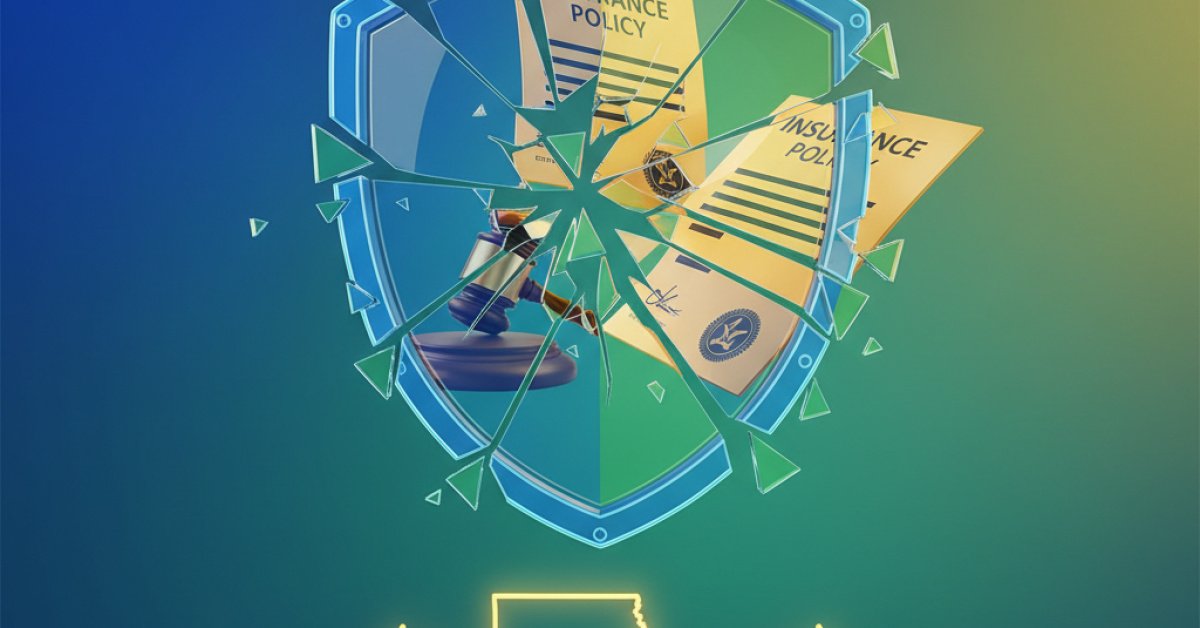
It sounds logical, doesn't it? But the Louisiana appeals court disagreed. They essentially said that the insurance policy paying out doesn't automatically create a liability shield for the title professional who was allegedly negligent.
The 'Safety Net' That Isn't a Fortress
Think of it like this. Let's say you accidentally back your car into your neighbor's fancy mailbox. Your auto insurance company pays your neighbor to install a brand new, even fancier mailbox. Great. But what if your neighbor is still furious? What if they claim the stress of the incident caused them to miss a day of work and lose income?
Your insurance fixed the direct, tangible damage (the mailbox), but it didn't necessarily erase your personal responsibility for the act of backing into it.
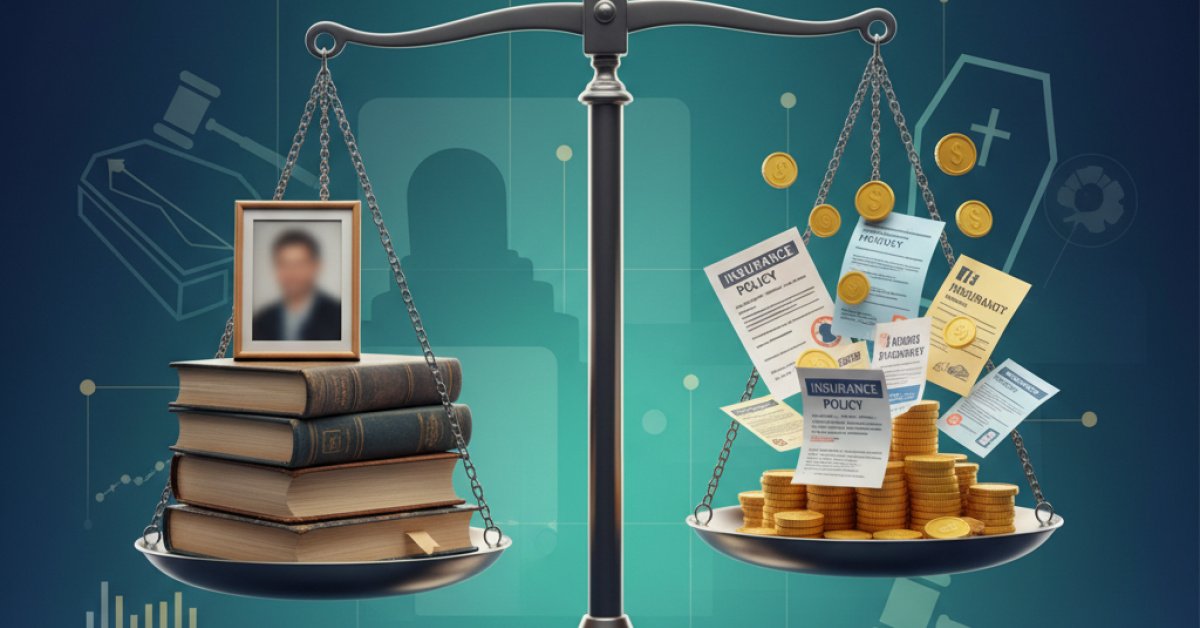
That’s basically what the court said here. The insurance policy is a contract to cover specific financial losses. It’s a safety net. But it’s not a fortress that makes you untouchable. The court decided that the underlying issue of professional negligence or error was a separate matter from the insurance payout.
This is a subtle but incredibly important distinction. It means that just because your insurer makes a claimant whole financially, it doesn't mean the claimant loses their right to pursue you for the professional misstep that caused the problem in the first place.
Why This Ruling Is a Big Deal for You
Okay, so this happened in Louisiana. You might be thinking, "I'm not in Louisiana, so what do I care?" But that's a dangerous way to look at it. Court rulings like this have a funny way of creating ripples that spread across the country. Legal arguments that work in one state often get tested in others.
Here’s why this should be on your radar:
-
It redefines your risk. You likely view your Errors & Omissions (E&O) or professional liability policy as your primary defense. This ruling suggests it might just be the first line of defense, not the only one. You could still face a lawsuit, legal fees, and potential damages even after your insurer has paid a claim.
-
It highlights the limits of insurance. We in the insurance world know this, but it’s a good reminder for everyone. A policy is a specific contract designed to cover specific things. It's not a magical eraser for mistakes. It transfers financial risk, but it doesn't eliminate professional accountability.
-
It raises the stakes for diligence. Now, more than ever, the best insurance is simply not making the mistake in the first place. This ruling underscores the critical importance of meticulous work, robust internal processes, and double-checking everything. Your goal isn't just to have a policy to fall back on, but to never need it.
Frankly, it's a bit of an uncomfortable truth. We buy insurance for peace of mind, and this ruling chips away at that a little. It reminds us that in the professional world, the buck often stops with you, the professional.
Okay, I'm Listening. What Should I Do?
First, don't panic. This isn't a sign that the sky is falling. But it is a clear signal to be proactive and smart about how you manage your risk. This isn't legal advice, of course, but here are a few things I’d be thinking about if I were in your shoes.
- Read Your Policy. No, Really. When was the last time you actually read your E&O policy from start to finish? Not the summary, but the actual document. You need to understand exactly what is covered, what the limits are, and—crucially—what your duties are in the event of a claim.
- Talk to Your Broker. This is the perfect reason to have a conversation with your insurance broker. Ask them about this kind of scenario. Say, "I read about this Louisiana case. If my insurer pays a claim, what's my exposure after the fact? Does my policy cover legal defense costs if I'm sued personally after a claim is settled?" Get them to walk you through the specifics.
- Review Your Processes. Take a hard look at your workflow. Where are the potential points of failure? Are you relying on a single person for critical checks? How is your documentation? Strengthening your internal processes is the single best way to prevent the errors that lead to claims in the first place.
- Stay Informed. The legal and insurance landscapes are always changing. Rulings like this are a perfect example. Make it a point to read industry news and stay on top of developments that could affect your business and your liability.
At the end of the day, this Louisiana case doesn't mean your insurance is useless. Far from it. Your policy is still an absolutely essential tool for protecting your business. But what this ruling does is adjust our perspective. It reminds us that insurance is a tool for financial recovery, not a substitute for professional responsibility. It’s part of your risk management strategy, not the whole strategy. And knowing that is the first step to being truly protected.