Let’s be honest. In the world of medical malpractice insurance, some specialties just make you sit up a little straighter. They’re the ones with complex cases, high stakes, and unfortunately, a higher potential for things to go wrong. For a long time, neurology has been one of those specialties, and it seems like the spotlight on it is only getting brighter.
We're all feeling the pressure right now. Insurers are taking a hard look at their books, reassessing limits, and getting much more granular with their pricing and risk management. It’s a tough market. So, when a major player like The Doctors Company (TDC) drops a deep-dive study into neurology claims, you can bet we all pay attention.
Their latest review is a real eye-opener. It’s not just a collection of stats; it’s a roadmap that shows us exactly where the landmines are hidden in this complex field. And what they found confirms what many of us have suspected: the biggest risks aren’t always in the operating room.
So, What's Really Going Wrong in Neurology Cases?
You might think the biggest claims would come from a procedure gone wrong or a medication error. And while those certainly happen, TDC’s study points to something far more fundamental: diagnostic errors.
Think about it. Neurology is like medical detective work at the highest level. You’re dealing with the brain, the spine, the nervous system—the body's incredibly complex wiring. Symptoms can be vague, they can overlap with a dozen other conditions, and getting to the right answer often takes time and a whole lot of testing.
This is exactly where the problems are starting. The study found that errors in diagnosis were the number one factor driving neurology claims. This isn't just about missing a diagnosis entirely. It includes:
- Delayed diagnosis: Taking too long to figure out what’s wrong, which can be devastating for conditions like strokes or fast-growing tumors.
- Wrong diagnosis: Mistaking one condition for another, leading to the wrong treatment and allowing the real problem to get worse.
When you're dealing with a patient's brain, time is everything. A delay that might be a minor issue in another specialty can lead to permanent, life-altering damage in neurology. And that, my friends, is what leads to massive claims.
It's Not Just What You Know, It's How You Communicate
Here’s the other huge piece of the puzzle that TDC uncovered: communication failures. This is something we see across all of medicine, but in neurology, the consequences are amplified.
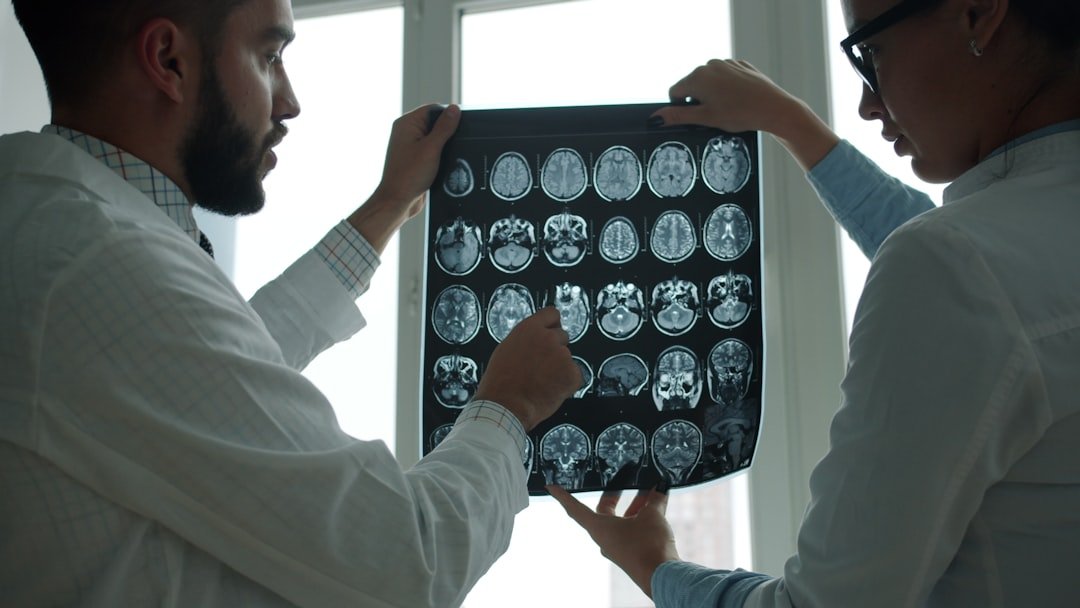
Imagine this: a patient sees their primary care doctor for recurring headaches. The doctor refers them to a neurologist. The neurologist orders an MRI. The radiologist reads the scan and sends a report. The neurologist then has to communicate those findings back to the patient and the primary care doctor.
That’s a lot of handoffs, right? It’s like a high-stakes game of telephone. A breakdown at any one of those points can be catastrophic. The TDC study highlighted that poor communication between providers, or between a provider and their patient, was a major contributing factor in a huge number of claims.
This could be anything from a specialist not clearly explaining the urgency of a follow-up to a primary care doc, to a patient not fully understanding their medication instructions. It all boils down to the same thing: when people aren't on the same page, crucial details get missed.
A Closer Look at Where the Pain Points Are
When you dig into the specifics of the report, a few things really stand out. The study looked at claims that closed between 2016 and 2022, so this is recent, relevant data.
The most common conditions involved in these diagnostic error claims were strokes, spinal epidural abscesses, and brain tumors. These are all conditions where a timely and accurate diagnosis is absolutely critical to a good outcome.
What’s really telling is why the diagnoses were missed. It often came down to an inadequate patient assessment. This could mean not ordering the right diagnostic test, not doing a thorough enough neurological exam, or failing to consider the full range of possibilities.
It paints a clear picture: in the pressure-cooker environment of modern medicine, sometimes the fundamentals of a good workup can get overlooked, and in neurology, the margin for that kind of error is razor-thin.
Why This All Matters So Much Right Now
Okay, so we know the risks. But why is this report so important for us in the insurance world today?
Because we're in a market where underwriters can't afford to guess. They need data to make smart decisions about pricing, coverage limits, and what kind of risk management support to offer their clients. This study from The Doctors Company provides exactly that.
For brokers, this is your playbook for talking to your neurologist clients. You can move beyond a generic conversation about risk and get specific. You can ask them:
- "What are your protocols for tracking test results?"
- "How do you ensure clear communication during patient handoffs?"
- "What systems do you have to make sure urgent findings are acted on immediately?"
These are the conversations that not only help your clients reduce their risk but also make them a more attractive prospect for underwriters. By focusing on shoring up their diagnostic and communication processes, neurology practices can actively work to prevent the very issues that lead to these devastating claims.
Ultimately, this isn't just about avoiding lawsuits. It's about patient safety. The data shows us a clear path forward. By focusing our risk management efforts on improving diagnostic accuracy and ensuring crystal-clear communication, we can help our clients protect themselves while also helping patients get the care they desperately need. And in this business, that’s a win-win we can all get behind.