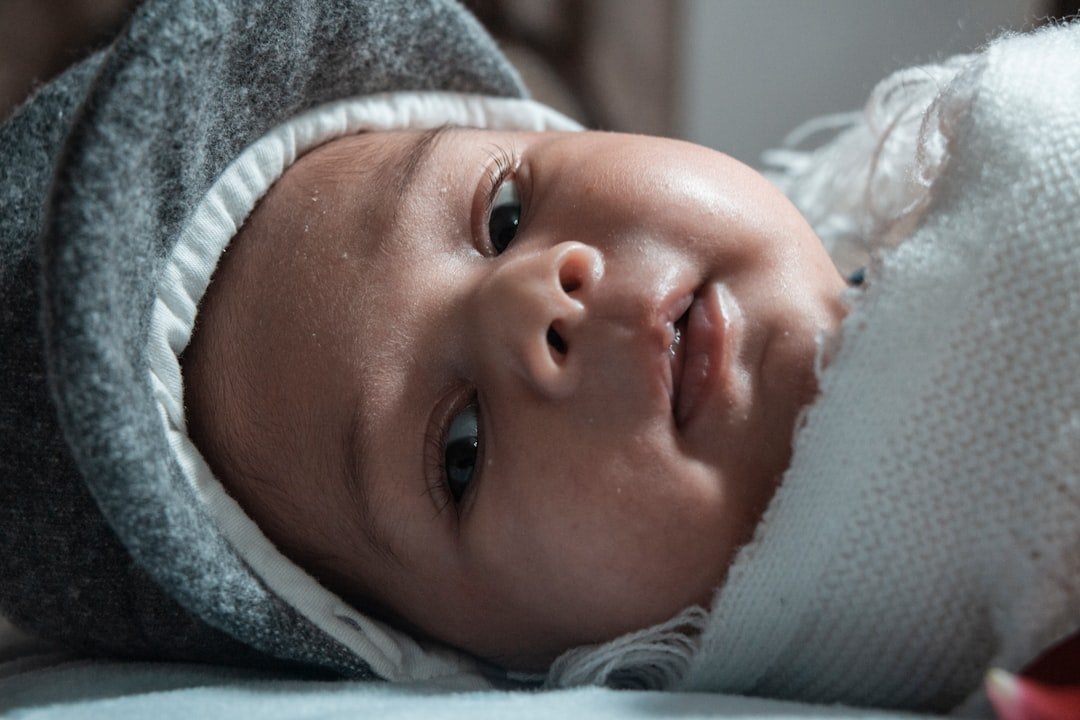
It’s the kind of story that makes your stomach drop. A 10-month-old baby boy in Portland, Oregon, is fighting to recover from infant botulism. The cause? The very formula meant to nourish him.
His name is Ashaan Carter, and his family’s nightmare began after he drank contaminated ByHeart baby formula. What makes this even more gut-wrenching is that the formula was donated through a program designed to help families in need. A gesture of kindness turned into a life-altering crisis. After two hospitalizations, little Ashaan is still on a long, uncertain road to recovery.
When you hear a story like this, your first thoughts are with the child and his family. It’s a devastating situation, and it brings up all sorts of fears, especially if you’re a parent. But as someone who spends their days in the world of insurance, my mind also goes to another place: who is going to help this family pick up the pieces?
Because behind the headlines and the hospital visits, a different kind of battle is just beginning. It’s a battle fought with policies and claims, and it’s one that will determine this family's ability to afford the care their son will need for years to come.
More Than Just a News Story: The Real-World Fallout
Let's just sit with the reality of this for a second. We're not talking about a simple recall for a mislabeled product. We're talking about a baby being poisoned by something we all assume is safe.
Infant botulism is terrifying. It's a rare but serious illness that can cause muscle weakness, a weak cry, and trouble breathing. The recovery can be incredibly slow and expensive. For Ashaan's family, this means mounting medical bills, time off work, and the unimaginable emotional stress of watching their child suffer.
This isn't just about the cost of the initial hospital stays. What about potential long-term effects? Will he need physical therapy? Developmental support? Specialized care? These are questions no parent should have to ask, but when they do, the financial burden can be crushing.
This is where the conversation turns to liability. And where there’s liability, there’s insurance.
When a Product Hurts Someone, Who's on the Hook?
Here’s the thing: when you buy a product—whether it’s a car, a toaster, or a can of baby formula—you have a right to expect that it’s safe.
Companies have a fundamental responsibility to ensure the products they sell won't harm people. When they fail, it's called product liability. It’s a legal concept, but at its heart, it's a simple promise: "If our product hurts you, we are responsible for the consequences."
This is precisely why companies like ByHeart carry something called product liability insurance. It’s not just a box to check or a cost of doing business. It’s a massive financial safety net designed for exactly this kind of worst-case scenario. It’s the fund that pays for the medical bills, the lost wages, and the immense pain and suffering when something goes horribly wrong.
Think of it as a financial fire extinguisher. The company hopes they never have to use it, but if a fire breaks out, it's there to contain the damage and help those who got burned.
So, What Does Product Liability Insurance Actually Cover?
When a family files a claim or a lawsuit in a case like this, the company's product liability insurance is what stands behind them. It’s designed to cover the staggering costs associated with the harm their product caused.
This typically includes things like:
- Medical Bills: Every single dollar, from the initial ER visit to long-term physical therapy and future doctor’s appointments.
- Lost Wages: Parents often have to take significant time off work to care for a sick child. This coverage can help replace that lost income so they can focus on their family without worrying about foreclosure.
- Pain and Suffering: This is a legal term for the non-financial toll—the emotional distress, the trauma, the loss of quality of life. You can’t put a price on it, but the legal system tries to provide compensation for this immense human cost.
- Legal Fees: The family will need legal representation to navigate this complex process, and the settlement or award is meant to cover those costs as well.
Without this insurance, a family would be left trying to sue a company that might not have the liquid cash to pay for the damages, potentially leading to bankruptcy for the company and nothing for the victims. This insurance ensures the money is there.
But Wait, What About the Family's Health Insurance?
This is a question I get a lot. "Doesn't their own health insurance cover the hospital bills?" Yes, absolutely. And thank goodness for that.
The family’s health insurance is the first responder on the financial scene. They are the ones who step in immediately to pay the doctors and the hospital, ensuring the child gets the care they need without delay. They don't wait to figure out who was at fault.
But here’s the crucial next step that most people don't see: it's called subrogation.
Once the health insurance company has paid out hundreds of thousands (or even millions) of dollars in claims, they're going to turn to the at-fault party's insurer—in this case, ByHeart's product liability carrier—and say, "You need to pay us back."
It’s an incredibly important process. It ensures that the ultimate financial responsibility lands where it belongs: with the company whose product caused the harm. It also helps keep our own health insurance premiums from skyrocketing to cover costs that were someone else's fault to begin with.
The Long Road Ahead is Paved by Insurance
For Ashaan Carter and his family, the journey is far from over. The settlement that will likely come from a product liability claim isn't some lottery win. It’s a lifeline.
That money will be a carefully calculated fund designed to provide for his future needs. It’s what will pay for the best therapists, any necessary medical equipment, and support for developmental delays. It’s what allows his parents to make decisions based on what’s best for their son’s health, not just what they can afford.
Stories like this are heartbreaking, and they’re a stark reminder that the unthinkable can happen. They also pull back the curtain on why insurance is such a fundamental pillar of our society. It’s not just a piece of paper or a monthly bill. It’s a promise. It’s the mechanism we’ve built to help people rebuild their lives after a catastrophe, ensuring that one tragic event doesn’t have to lead to a lifetime of financial ruin.