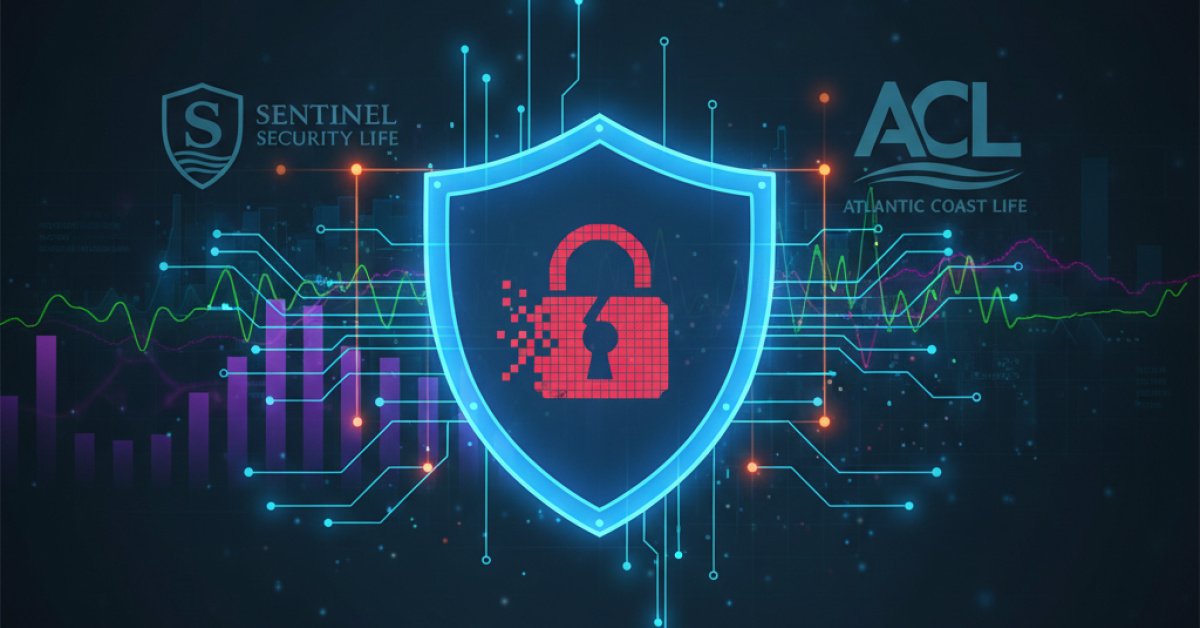
Alright, let’s talk about some news that’s probably making your stomach drop if you have a policy with either Sentinel Security Life or Atlantic Coast Life. They've just announced they were hit by a cyberbreach.
It’s the kind of headline we all dread seeing, especially when it involves a company that holds so much of our personal information. And let's be honest, insurance companies have it all—our names, addresses, Social Security numbers, and sometimes even sensitive health details. When that data gets into the wrong hands, it’s more than just an inconvenience; it feels like a personal violation.
So, if you're feeling a mix of anger, anxiety, and confusion right now, you're not alone. My goal here is to cut through the corporate-speak and give you a straightforward, no-nonsense breakdown of what happened, what it means for you, and what you can do about it.
What We Know About the Breach So Far
Here’s the thing: details are still coming out, which is pretty typical in these situations. But the core piece of information we have is that the breach itself happened back in April 2025.
I know what you're thinking. "April? Why are we just hearing about this now?" That's a very fair question. Sometimes it takes weeks or even months for a company’s security team to figure out the full extent of an attack. They have to investigate what was taken, who was affected, and how the hackers got in. It's a bit like discovering a leaky pipe; you first have to find the source of the leak before you can assess the water damage.
While we wait for more specifics from the companies, we can piece together what’s likely at stake based on how these things usually play out. Both Sentinel Security Life and Atlantic Coast Life are known for products like final expense insurance, Medicare Supplement plans, and annuities. This means they hold data on a lot of seniors, a group that is, unfortunately, often targeted by scammers.
Why Do Hackers Love Insurance Companies?
Think of an insurance company's database as a treasure chest for a cybercriminal. It’s not just one valuable item in there; it’s a whole collection of them. When you apply for a policy, you hand over a complete kit for building a new identity.
Let's break down what they might have on file for you:
- Personal Identifiers: This is the basic stuff, but it’s the foundation of identity theft. We're talking full name, date of birth, mailing address, and, the big one, your Social Security number.
- Financial Information: They likely have your bank account or credit card details for premium payments.
- Policy Details: Information about the type and amount of your coverage.
- Health Information: For certain types of policies, you may have provided medical history or answered health-related questions. This is incredibly sensitive stuff.
When hackers get their hands on a complete package like this, they can do a lot of damage. They can open new credit cards in your name, file fraudulent tax returns, or even attempt to access your bank accounts. It’s a scary thought, and it’s why we need to take this seriously.
So, What Should You Be Doing Right Now?
Okay, deep breath. Feeling overwhelmed is normal, but panic doesn't help. The best thing you can do is take control by being proactive. Here’s a simple checklist of things you should consider doing today.
1. Assume You're Affected (For Now)
Until you receive official notification from Sentinel Security Life or Atlantic Coast Life telling you whether or not your specific data was compromised, it's smartest to act as if it was. It’s better to be a little overly cautious now than to be cleaning up a mess later.
2. Lock Down Your Credit
This is probably the single most effective step you can take. A credit freeze, also known as a security freeze, restricts access to your credit report. This makes it much harder for identity thieves to open new accounts in your name because lenders can't pull your credit to approve the application.
Freezing your credit is free and you can do it online with each of the three major credit bureaus:
- Equifax
- TransUnion
- Experian
It only takes a few minutes for each one. Just remember to keep the PIN they give you in a safe place, as you’ll need it to temporarily "thaw" your credit if you need to apply for a loan or new card yourself.
3. Keep a Close Eye on Your Accounts
Go through your bank statements, credit card statements, and any other financial accounts with a fine-tooth comb. Look for any charges or withdrawals you don't recognize, no matter how small. Sometimes thieves start with a tiny transaction to see if the account is active. If you see anything suspicious, report it to your financial institution immediately.
4. Be on High Alert for Phishing Scams
This is a big one. Criminals who have your personal information might use it to make their scams seem more legitimate. They might call, text, or email you, pretending to be from your bank, the insurance company, or even the IRS.
Because they have your name, address, or policy number, their message might sound very convincing. Remember: A legitimate company will never call you and ask for your full Social Security number, password, or bank account details over the phone or via email. If you get a suspicious message, don't click any links. Instead, contact the company directly using a phone number or website you know is authentic.
What to Expect from the Insurance Companies
In the coming weeks, Sentinel Security Life and Atlantic Coast Life have a legal and ethical responsibility to communicate with their affected policyholders.
You should be on the lookout for an official notification letter in the mail. This letter should clearly explain what happened, what information was involved, and what they are doing to help protect you.
Typically, companies in this situation offer a period of free credit monitoring. My advice? Take it. Even if you’ve already frozen your credit, these services can alert you to other types of suspicious activity, like your information appearing on the dark web. It’s an extra layer of protection, and since they’re offering it for free, there’s no reason not to sign up.
This whole situation is a stark reminder that in our digital world, our data is always at some level of risk. It’s frustrating and unfair, but it’s the reality we live in. The best we can do is stay informed, be vigilant, and take the steps we can to protect ourselves. As we learn more from the companies, I’ll be sure to keep you updated, but for now, focus on securing your credit and watching your accounts. You’ve got this.