It looks like the new year is kicking off with some pretty big conversations in the insurance world, especially if you’re keeping an eye on the Southeast. Two states, in particular, have hearings scheduled that you’ll want to have on your radar.
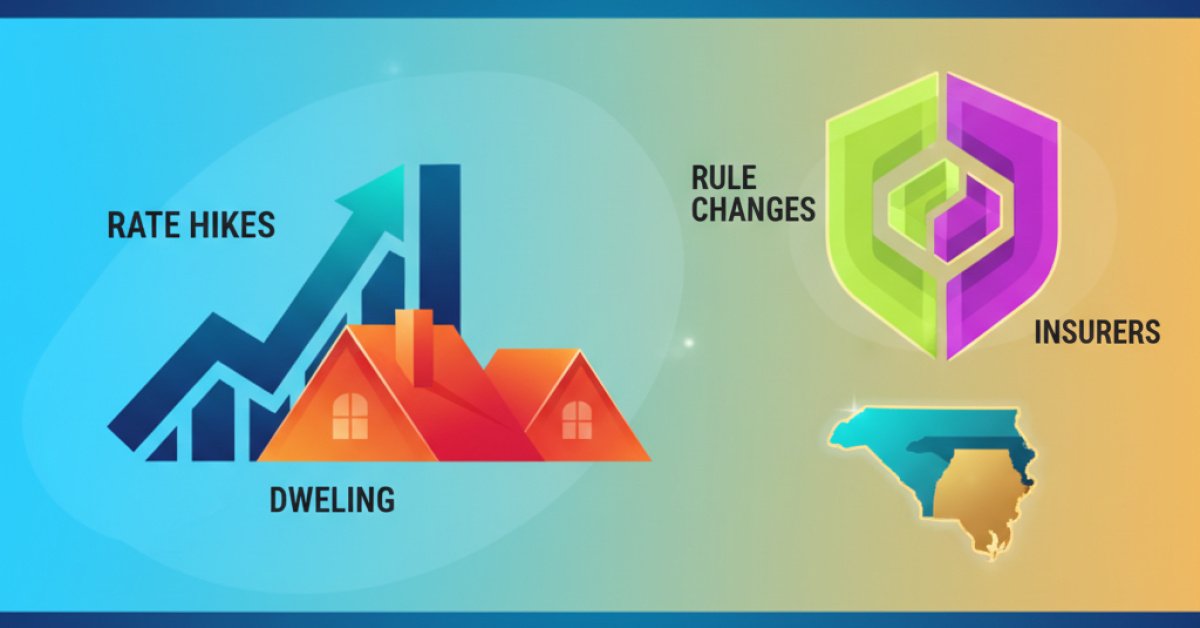
We're talking about North Carolina, where a major dwelling insurance rate increase is on the table, and Alabama, where regulators are looking at new capital requirements for insurers.
Now, I know terms like "dwelling rates" and "capital requirements" can sound a little dry. But stick with me, because what happens in these hearings could have some serious real-world consequences for property owners and the insurance market in these states. Let’s break down what’s going on in each.
So, What’s Happening in North Carolina?
Down in the Tar Heel State, the big story is about a proposed rate increase for dwelling insurance. And when I say "big," I mean it.
First, let's clear something up. Dwelling insurance isn't your standard homeowners policy. Think of it as coverage for properties you own but don't live in. This could be a rental home, a vacation property, or even a vacant house. It's a crucial product for landlords and real estate investors.
The North Carolina Rate Bureau, which represents the insurance companies that write these policies, has asked the state for a pretty eye-popping average rate increase. They're essentially saying, "Hey, the risk of insuring these properties has gone way up, and we need to adjust our pricing to match."
Of course, a request like that doesn't just get a rubber stamp. The North Carolina Department of Insurance, led by the Commissioner, is stepping in to take a closer look. They've scheduled a public hearing to dive into the details. This is where both sides will present their case. The Rate Bureau will bring their data, and the Department of Insurance will scrutinize it, all while considering the impact on consumers.
This hearing is a big deal. It’s the official forum for figuring out if the requested hike is justified or if a smaller increase—or no increase at all—is more appropriate. For anyone who owns rental property in North Carolina, the outcome of this is going to hit the wallet directly.
Meanwhile, in Alabama, It's All About the Money
Now, let's head west to Alabama, where the conversation is a little different but just as important. The Alabama Department of Insurance has its own hearing scheduled, but this one is focused on something called "capital requirements."
What in the world are capital requirements?
Think of it like an insurance company's emergency fund. It’s the amount of money an insurer has to keep on hand, in reserve, to make sure they can pay out all their claims, even after a massive catastrophe like a hurricane or a string of tornadoes. It’s a measure of their financial strength and stability.
Regulators in Alabama are proposing new rules that would change how much capital insurers need to have. The goal here is pretty straightforward: to make sure that when a disaster strikes, the insurance companies operating in the state are rock-solid and can actually deliver on the promises they made to their policyholders. No one wants to see an insurer go under right when people need them most.
The upcoming hearing is a chance for everyone to weigh in on these proposed new rules. Insurers, consumer groups, and other stakeholders will get to share their perspectives.
It's a balancing act, really. On one hand, stronger capital requirements can mean a more stable insurance market, which is good for everyone. On the other hand, forcing companies to hold more money in reserve could potentially impact their business operations or even the prices they offer. It’s a complex issue, and this hearing is designed to hash out all those details.
Why We're Watching These Hearings Closely
At first glance, these might seem like two totally separate issues in two different states. But if you zoom out a bit, you can see they're part of the same larger story.
Both of these situations show state regulators grappling with the core challenges of insurance today: balancing insurer solvency with consumer affordability, especially in regions that are getting hit harder and more frequently by severe weather.
In North Carolina, the question is: How much should property owners have to pay to keep coverage available and insurers financially healthy? In Alabama, the question is: What's the right amount for an insurer's safety net to ensure they can withstand the next big storm?
These aren't easy questions, and there are no simple answers. That’s why these public hearings are so critical. They bring the debate out into the open. For those of us in the industry, and for the people living and owning property in these states, the outcomes will be incredibly meaningful. We’ll definitely be keeping a close eye on how these conversations unfold.