Picture this: A massive storm tears through your neighborhood, and a huge tree branch smashes right into your roof. It’s a nightmare. You’re stressed, overwhelmed, and now you have to deal with the insurance company. It feels like a full-time job you never asked for.
Then, someone shows up who seems like a savior. They’re a public adjuster, and they promise to fight the insurance company on your behalf. They’ll handle the paperwork, the negotiations, everything. All you have to do is sign on the dotted line, and they’ll get you the money you deserve to fix your home. It sounds perfect, right?
For one homeowner in North Carolina, that dream turned into an even bigger nightmare. It’s a story that serves as a huge wake-up call for anyone who owns a home.
The Story That Should Make Every Homeowner Pay Attention
Let’s talk about what happened. Recently, North Carolina authorities arrested a 26-year-old public adjuster from Garner named Tyler Dionysius Englin. The charge? Embezzlement.
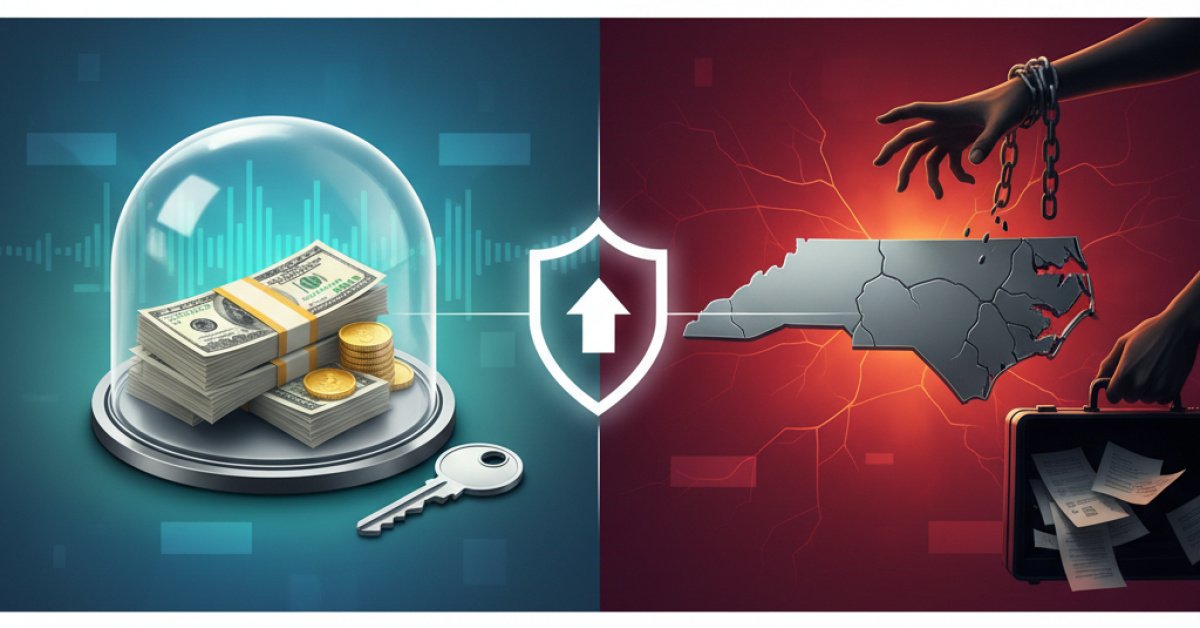
Here’s the allegation: After a difficult and contentious roof claim, the insurance company finally agreed to pay out. A check for a whopping $133,000 was issued. This was the money meant to put a family’s home—and life—back together. But according to the charges, that money never made it to the homeowner. It allegedly went straight into the public adjuster’s pocket.
Can you even imagine? You go through the trauma of damage to your home, the stress of the insurance claim, the relief of finally getting a settlement... only to have the person you hired to help you allegedly steal the entire thing. It’s a gut-punch.
This isn't just some random crime story. It’s a critical lesson in why you have to be so, so careful about who you trust when you’re at your most vulnerable.
First, What Is a Public Adjuster Supposed to Do?
Before we get into the red flags, let's be clear. The vast majority of public adjusters are honest, hardworking professionals who provide a genuinely valuable service. I've worked with many fantastic ones over the years.
Think of them as your personal advocate in an insurance claim. While the insurance company has its own adjuster (the "staff" or "independent" adjuster), their ultimate loyalty is to the company they work for. A public adjuster, on the other hand, works for you.
Their job is to:
- Review your insurance policy to understand every bit of your coverage.
- Document all the damage to your property in meticulous detail.
- Handle all the communication and negotiation with the insurance company.
- Fight to get you the maximum possible settlement you're entitled to under your policy.
In exchange for this work, they take a percentage of your final settlement amount. When it works as it should, it’s a win-win. You get an expert in your corner, and they get paid for their expertise. But when it goes wrong, as it allegedly did in this case, it goes horribly wrong.
How to Keep Your Insurance Money Safe
So, how do you hire the help you need without opening yourself up to fraud? It’s all about doing your homework and protecting yourself every step of the way. This isn't just good advice; it's non-negotiable if you want to keep control of your money.
1. Verify Their License. No Excuses.
This is the absolute first thing you should do. In most states, public adjusters must be licensed, bonded, and tested. Don't just take their word for it or glance at a business card.
Go to your state’s Department of Insurance website and look them up. Seriously, stop what you're doing and do it right then and there. Is their license active? Are there any complaints or disciplinary actions against them? If you can't find them, or if their license has lapsed, that's a giant red flag. Walk away.
2. Ask for and Actually Check References
Any reputable professional will be happy to provide you with references from past clients. And don't just ask for them—call them!
Ask about their experience. Was the adjuster communicative? Did they feel the settlement was fair? Were there any issues with payment? Hearing from someone who has already been through the process with this person is invaluable.
3. Read the Contract. Every Single Word.
I know, I know. Legal contracts are boring and filled with jargon. But this is the document that outlines your entire relationship. You need to understand it.
- What is their fee? It's usually a percentage of the settlement, often around 10-15%. Make sure it's clearly stated. Be wary of anyone demanding large upfront fees.
- What happens if you cancel? Understand the cancellation policy.
- What services are included? Make sure you know exactly what they're promising to do for their fee.
If there's anything you don't understand, ask them to explain it. If you're still not comfortable, have a lawyer take a quick look. A small legal fee upfront could save you a six-figure catastrophe later.
4. This Is The Big One: Control The Money
Here’s the single most important piece of advice I can give you, and it relates directly to the North Carolina case. Never, ever sign a contract that gives a public adjuster the sole authority to receive the insurance check or endorse it on your behalf.
The insurance settlement check should always be made payable to you, the homeowner.
Even better, insist that the check be a "joint payee" check. This means it will be made out to both you AND your public adjuster. That way, neither one of you can cash or deposit it without the other's signature. It creates a crucial layer of security. Often, if you have a mortgage, the check will be made out to you and your mortgage company anyway, which adds another safeguard.
The bottom line is that you should always be the one to receive the check from the insurance company. You can then pay the public adjuster their agreed-upon fee. You control the flow of money, not them.
This story out of Garner is a painful reminder that even when you think you're getting help, you need to stay vigilant. A disaster is stressful enough without adding financial betrayal to the mix. By taking these simple, common-sense steps, you can hire the expert help you need while making sure the money to rebuild your home ends up exactly where it belongs: with you.