It’s not every day you see a number with that many zeros attached to an insurance company for the wrong reasons. We're talking about a settlement of over half a billion dollars.
Let that sink in for a second. Half. A. Billion. Dollars.
That’s a figure so large it’s hard to even picture. It’s the kind of money that builds stadiums or funds entire city departments for a year. But in this case, it’s the price tag for a massive fraud claim against a major insurer. And honestly, it’s a story that tells you a lot about how the system works—and what happens when it breaks.
But here’s the kicker, the part that makes this more than just a corporate headline: the people who brought this all to light, the whistleblowers, are set to receive nearly $100 million for their trouble. It’s a wild story, so let’s get into what actually went down.
So, What Exactly Happened Here?
Alright, let's pull back the curtain. When you see a settlement this big, it’s never about a single clerical error or one rogue employee. This points to something systemic, something that was happening over and over again, for a long, long time.
While the nitty-gritty details of these cases can get incredibly complex, they usually boil down to a simple idea: making things seem worse than they are to get more money.
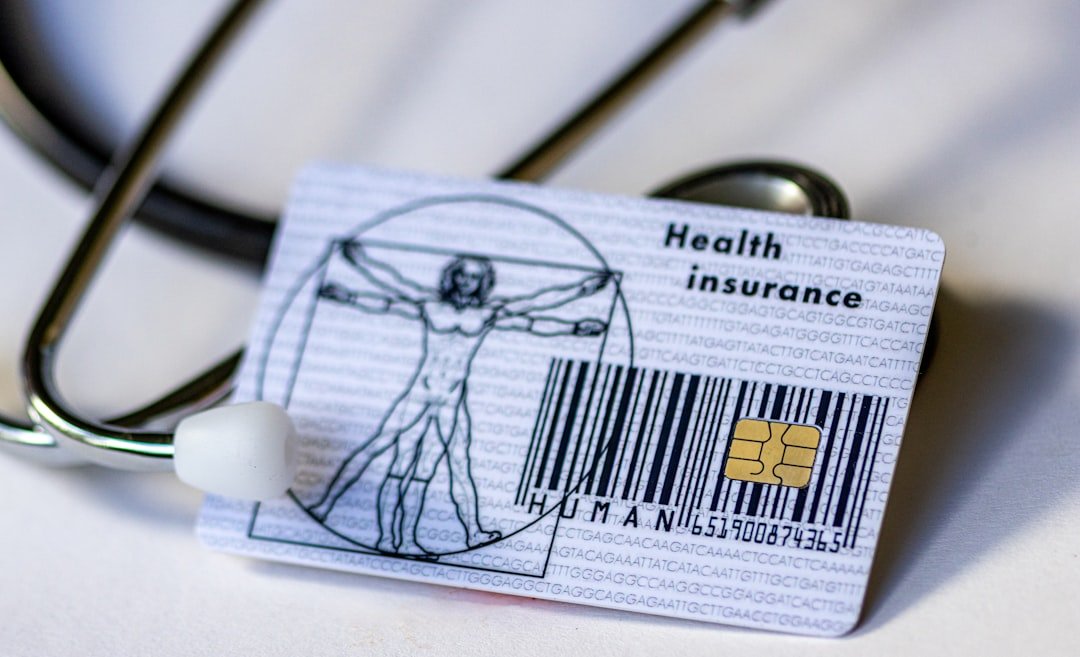
Imagine a doctor’s office submits a claim for a routine check-up. The insurance plan pays a set amount for that. But what if someone in the chain of command—at the insurer level—systematically inflates those claims? What if they tell the government (who ultimately foots the bill for programs like Medicare Advantage) that patients are much sicker than they actually are?
A simple check-up suddenly looks like a complex visit for multiple chronic conditions. The government, trusting the data it receives, then pays the insurer a much higher rate for that "sicker" patient. Do this for thousands upon thousands of patients over several years, and suddenly you’re looking at hundreds of millions of dollars in improper payments. That’s the kind of activity that leads to a half-billion-dollar headache.
It’s a breach of trust on a massive scale. And it’s not some victimless corporate shuffle; it’s a direct hit on the programs we all pay for.
The People Who Spoke Up (And Got Paid for It)
Now, for my favorite part of the story. How does something like this even get discovered? It’s rarely a government auditor stumbling upon it by chance. More often than not, it’s someone on the inside.
An employee who sees the numbers and knows they don’t add up. Someone in a meeting who hears a strategy that sounds less like smart business and more like outright fraud. These are the whistleblowers.
And in this case, they didn’t just get a pat on the back. They’re in line for a payout of nearly $100 million.
You might be thinking, “Wow, that’s a lot of money!” And you’re right. But it’s there for a very good reason. The law that allows for this, the False Claims Act, basically creates a partnership between the government and private citizens. It says, "If you see fraud against the government and you’re willing to stick your neck out to report it, we’ll give you a piece of whatever we recover."
Think about the risk these people take. They are often suing their own employer. It can be career suicide. They face retaliation, being blacklisted in the industry, and years of stressful litigation. The potential reward has to be significant enough to encourage people to take that monumental risk for the greater good. That $100 million isn't just a lottery win; it's compensation for courage and a powerful incentive for others to speak up when they see wrongdoing.
Why This Massive Payout Actually Matters to You
Okay, so a big company had to write a big check. Why should you, me, or anyone else outside of that boardroom care? It’s easy to see this as just another corporate drama, but the ripples from this kind of fraud touch all of us.
Here’s how:
- Your Tax Dollars at Work (or Not): A huge chunk of these fraudulent claims often involve government-funded programs like Medicare and Medicaid. That’s our money. When an insurer bilks the system out of hundreds of millions, it’s draining the pool of funds that’s supposed to pay for legitimate healthcare for seniors, children, and vulnerable populations.
- The Erosion of Trust: We all have to deal with insurance. We pay our premiums and trust that the company on the other end is operating in good faith. When a story like this breaks, it damages that trust. It makes you wonder what else is going on behind the scenes and feeds the cynical view that the whole system is rigged.
- The Potential for Higher Costs: While this case was about defrauding the government, the mindset that allows it to happen can impact the entire business. A system that tolerates fraud is a system that’s inefficient and costly. Those costs have a funny way of eventually trickling down to all of us in the form of higher premiums and more restrictive plans.
At the end of the day, a half-billion-dollar settlement isn't just a punishment; it's a signal. It’s a massive red flag that there are deep-seated problems that need fixing. It’s a reminder that accountability is absolutely essential in an industry that holds so much power over our health and financial well-being. This isn't just a business story; it's a story about integrity, and what happens when it goes missing.