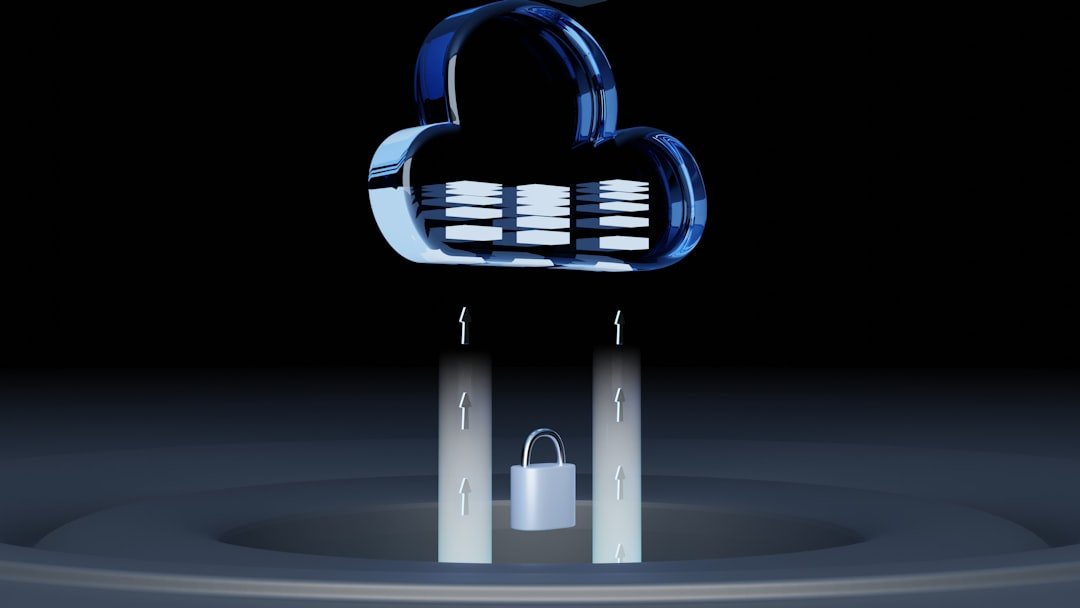
Ever seen that little notification pop up on your iPhone? You know the one. “iCloud Storage is Full.”
It’s an almost daily frustration for millions of us. You’re just trying to back up your photos, save a file, and suddenly you’re being prompted to upgrade your storage plan for a monthly fee. It feels like you’re being nudged, cornered even, into paying for more space.
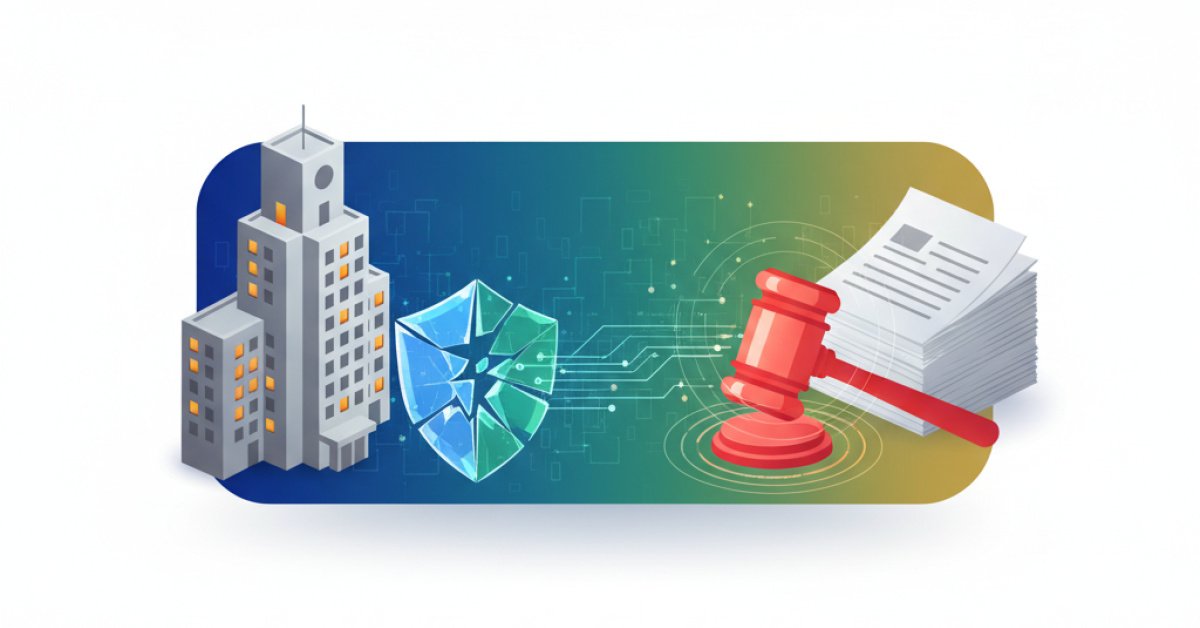
Well, it turns out you’re not alone in feeling that way. And now, that frustration has boiled over into a massive £3 billion (that’s about $4 billion) lawsuit against Apple right here in the UK. And the best part? A competition tribunal has just given it the green light to move forward.
This isn't just some small claims court issue. This is a huge collective action lawsuit, and it could affect tens of millions of people who own Apple products. So, let's talk about what's really going on here, and more importantly, what it tells us about the hidden risks we all face in our digital lives.
So, What’s This Apple Lawsuit All About?
At its heart, this is a case brought by the consumer rights group, Which?. If you’ve ever looked for a review on a new washing machine, you’ve probably come across them. They’re a trusted voice for UK consumers, and they’ve decided to take on one of the biggest companies in the world.
Their argument is pretty straightforward. They claim Apple has an unfair and dominant position with its iCloud service.
Think about it. When you buy an iPhone or an iPad, you’re automatically pushed into the Apple ecosystem. iCloud is seamlessly integrated for backing up your device, photos, contacts, and everything else. It’s incredibly convenient, which is exactly the point.
The problem, according to Which?, is that Apple makes it really difficult to use other, often cheaper, cloud storage providers for those essential device backups. They argue that Apple has effectively blocked competitors, leaving you with one choice: pay for more iCloud storage or risk losing your data. They believe this is an anti-competitive practice that has led to customers being overcharged for years.
The Competition Appeal Tribunal seems to agree there’s a case to be answered, which is why they’ve allowed it to proceed. This is a big deal. It means the claim has merit and will now move towards a full trial, representing anyone in the UK who has paid for iCloud storage.
Your Digital Life is More Valuable Than You Think
Okay, so a big company is getting sued. Why are we talking about this on an insurance blog?
Because this lawsuit shines a massive spotlight on something we in the insurance world think about all the time: the value and vulnerability of your digital assets.
We’re all pretty good at protecting our physical stuff. You wouldn’t dream of not having contents insurance for your home or car insurance for your vehicle. We instinctively understand that these things have value and need to be protected from theft, damage, or loss.
But what about your digital life?
All those photos of your kids growing up, important financial documents, work files, and personal emails. For most of us, that data is priceless. It’s a collection of our memories and our most critical information. Yet, we hand it all over to a third-party company and just… trust them.
This lawsuit is a wake-up call. It reminds us that our digital assets are not only emotionally valuable but have a real financial component, too. The very service we use to "protect" them is now at the center of a dispute about whether we've been unfairly charged for that protection. It forces us to ask a bigger question: what’s our plan B?
How to Insure Your Digital World
This case isn't about a data breach or a cyber-attack, but it falls under the same umbrella of digital risk. It’s about control, cost, and what happens when the systems we rely on don't work in our best interest. So, how can you start thinking more like an insurer about your own digital life?
1. The First Line of Defense: Backup Your Backups
The simplest form of insurance is preventing the loss in the first place. Relying on a single service, even one as big as iCloud, is like putting all your eggs in one basket.
- The 3-2-1 Rule: It’s a classic in data management for a reason. Keep 3 copies of your data, on 2 different types of media (like your computer's hard drive and an external drive), with 1 copy stored off-site (like in the cloud or at a relative's house).
- Use Multiple Cloud Services: Don’t be afraid to use a competitor! Services like Google Drive, Dropbox, or OneDrive offer free tiers and competitive pricing. You could use iCloud for your phone backup and another service for your family photos.
Think of this as your "self-insurance" policy. It takes a little effort, but it means you’re never at the mercy of a single company’s pricing, policies, or potential failure.
2. When Things Go Wrong: Personal Cyber Insurance
Now let's talk about actual insurance. Personal cyber insurance is a relatively new but increasingly important type of cover. While it wouldn't cover you for being overcharged for storage, it does protect you from many other digital disasters.
Coverage can include things like:
- Data recovery services if your devices are hit with ransomware.
- Identity theft restoration if your personal information is stolen online.
- Cyberbullying support to help with the costs of removing harmful content.
- Online fraud resolution if you’re tricked into sending money to a scammer.
It’s designed to be the financial and logistical backstop for when your digital life gets turned upside down. As we store more and more of our lives online, this kind of protection is becoming as essential as home insurance.
3. Fighting Your Corner: Legal Expense Insurance
This is where we come full circle back to the Apple lawsuit. Which? is acting on behalf of millions of consumers, using a "collective action" to pool everyone's small claims into one giant, powerful case.
But what if you have a dispute with a company that isn't being pursued by a consumer group? What if a holiday company won't refund you, or a retailer delivers faulty goods and refuses to help? Fighting them on your own can be incredibly expensive and intimidating.
This is where Legal Expense Insurance (LEI) comes in. It’s often sold as an add-on to your home or car insurance policy for a small extra premium. It gives you access to legal advice and covers your legal costs (up to a limit) for a range of issues, including consumer contract disputes.
It’s a policy that levels the playing field, giving you the power to stand up for your rights without risking thousands in legal fees.
This Apple lawsuit is a perfect example of why access to justice matters. While you may be automatically included in this particular claim, LEI is the tool that empowers you in countless other situations.
A Sign of Things to Come
Ultimately, this lawsuit is more than just a fight over a few quid a month for storage. It’s a sign of a much bigger shift. We're all starting to realize how deeply intertwined our lives are with these massive tech companies and how much power they hold.
It’s a reminder to be a savvy consumer. Read the terms, understand what you’re paying for, and always have a plan B. Protect your digital assets with the same care you protect your physical ones. Because as this £3 billion case shows, the stakes are getting higher every single day.