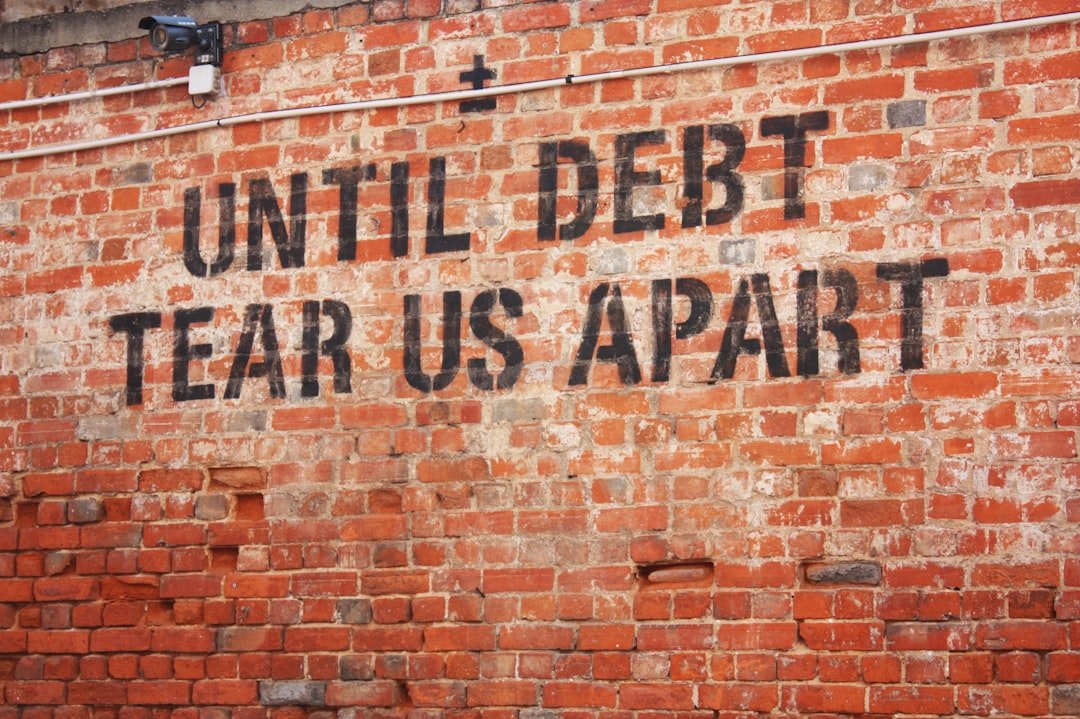
Have you ever noticed how the financial world has these quiet corners that suddenly become the talk of the town? For years, "private credit" was one of those corners. It was the plumbing of the system—essential but rarely discussed.
Well, that’s changing. Fast.
This isn't just some niche market anymore. We're talking about a global industry worth over $3.1 trillion. Think of it as a massive lending operation running parallel to traditional banks, often called "shadow banking." And now, it seems the folks in charge of keeping Europe’s economy stable are starting to get a little nervous about how big and opaque this market has become.
Let's break down what’s going on, because frankly, it’s a story that could have ripple effects for all of us, especially in the insurance industry.
What Exactly Is This "Shadow" Market?
So, what is private credit? In the simplest terms, it’s lending that happens outside of the traditional banking system.
After the 2008 financial crisis, banks got hit with a mountain of new regulations. They became much more cautious about who they'd lend to. But businesses, especially mid-sized ones, still needed capital to grow, to hire, to innovate.
Nature abhors a vacuum, and so does finance. A whole new group of lenders stepped in to fill the gap: asset managers, private equity funds, and yes, even insurance companies and pension funds looking for better returns. They started lending directly to companies, cutting out the banking middleman.
On one hand, this has been fantastic. It’s provided a vital lifeline of credit to the economy. But on the other hand, it’s grown so big, so quickly, and with so much less oversight than traditional banking, that it’s starting to look like a giant, unchaperoned party. And the regulators are the parents who just pulled into the driveway.
The Watchdog Is Starting to Circle
The main "parent" in this story is the European Systemic Risk Board, or ESRB. It’s a bit of a mouthful, but their job is basically to be the smoke detector for the entire EU financial system. They look for risks that could bring everything crashing down.
And right now, their alarm is starting to beep softly in the direction of private credit.
According to Richard Portes, one of the ESRB's advisers, the board is actively "examining the risks" this booming market poses to the whole system. They're asking the tough questions: What happens if a bunch of these loans go bad? How connected is this market to our traditional, highly-regulated banks? Could a problem here cascade into a full-blown crisis?
This isn't just a routine check-up. When the ESRB starts a deep-dive examination like this, it usually means they’ve seen something that genuinely worries them.
So, What Are the Real Dangers Here?
You might be thinking, "Okay, so it's a big market with less oversight. What's the actual problem?" It really boils down to two things: transparency and interconnectedness.
The Transparency Problem
Think about a regular bank loan. Regulators can see it. They know who the lender is, who the borrower is, the terms of the loan, and how risky it is. They have a pretty clear map of the entire system.
With private credit, that map is a lot fuzzier. It’s harder for regulators to get a complete picture of who owes what to whom. This lack of a clear view makes it incredibly difficult to spot a buildup of risk until it’s potentially too late. If one major player in this space gets into trouble, it's hard to predict who else gets dragged down with them.
The Interconnectedness Web
This brings us to the second point. Private credit isn't operating in a bubble. It’s deeply woven into the fabric of the entire financial system.
- Banks are still involved. They might provide leverage to the funds making these loans.
- Pension funds and insurance companies are huge investors in private credit, seeking higher yields to meet their long-term obligations.
Imagine a complex web. A break in one of the "shadow" strands doesn't just stay there; it can send shudders through the entire structure, including the heavily regulated parts we all rely on. That's the systemic risk the ESRB is worried about.
What Could Happen Next? Expect More Rules.
When a regulator says they're "examining risks," it's often code for "we're thinking about new rules."
The word from Portes is that the ESRB may end up recommending that regulators get "greater direct oversight" of the industry.
What does that mean in plain English? It could mean a lot of things:
- Stricter reporting requirements: Forcing private credit funds to share more data on their loans.
- Limits on leverage: Capping how much borrowed money funds can use to juice their returns.
- Direct supervision: Treating some of the biggest players more like banks, with regular check-ins and stress tests.
The goal here isn't to kill the private credit market. Regulators know it serves a valuable purpose. The goal is to bring it out of the shadows and into the light, so they can manage the risks before the risks manage them.
This is a delicate balancing act, of course. Too much regulation could stifle a crucial source of funding for European businesses. Too little could leave the door open for the next big financial shock.
For those of us in the insurance world, this is more than just a headline. Insurers are major players in this space, both as investors and as pillars of the financial system. Any new regulations will directly impact investment strategies, and any instability in the wider economy is something we have to watch closely.
This story is really just getting started. The ESRB’s examination is a clear signal that the freewheeling days of the private credit boom might be coming to an end. We're all going to be watching to see just how bright a light the regulators decide to shine on this multi-trillion-dollar corner of the market.