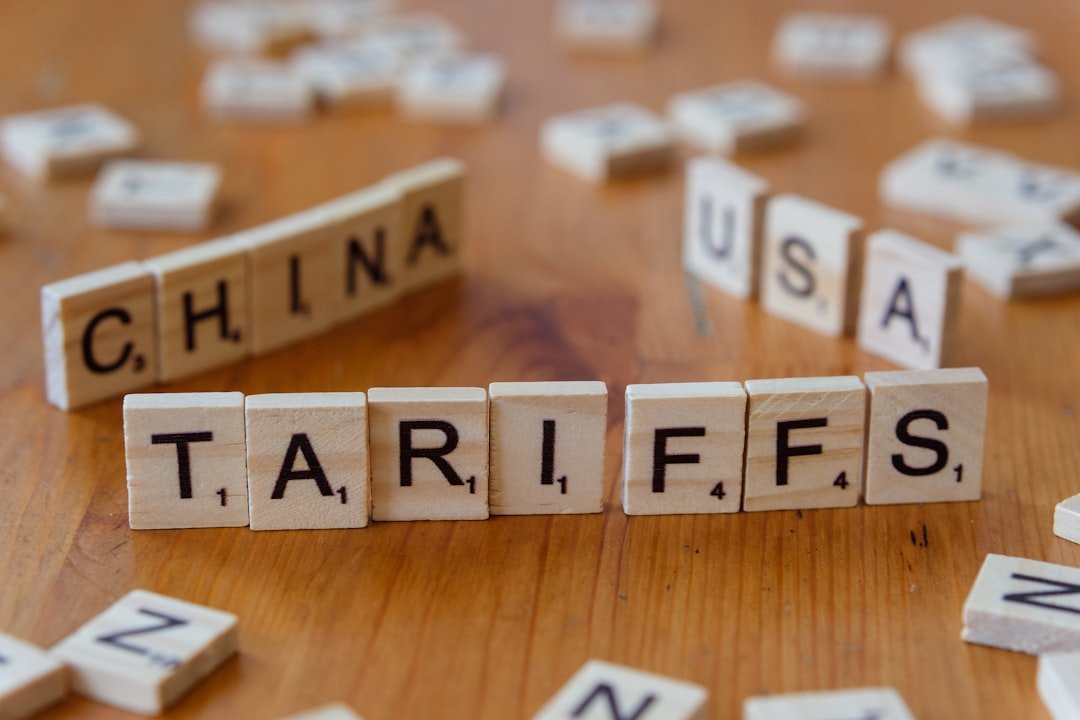
Have you ever stopped to think about what really happens when the government slaps a new tariff on imported goods? We all see the headlines and worry about prices going up at Target or Best Buy. But behind the scenes, there’s a whole other drama playing out, and it’s happening in a corner of the insurance world that most people have never even heard of.
It’s a fascinating story, really. You’ve got international trade policy, a massive legal battle that’s gone all the way to the Supreme Court, and some of the biggest names in insurance—think RLI, CNA, and Chubb—navigating a situation that’s both a huge opportunity and a massive risk.
Right now, thanks to all this uncertainty, premiums in one specific insurance sector are going through the roof. And while the money is pouring in for these carriers, they’re also holding their breath, waiting for a court decision that could cost them a fortune. Let’s unpack what’s going on, because it’s a perfect example of how global events can create unexpected ripples in the insurance market.
So, What Exactly is a Customs Bond?
First things first, let's talk about the insurance product at the heart of all this: the customs bond.
If you’ve never dealt with importing, you’ve probably never come across one. The easiest way to think of it is like a security deposit for the U.S. government. When a company wants to import goods into the country, U.S. Customs and Border Protection (CBP) wants a guarantee that all the duties, taxes, and fees will get paid.
Instead of the importer tying up a huge chunk of their own cash, they buy a customs bond from an insurance company (which in this world, we call a "surety"). This bond is a three-way promise:
- The importer promises the government they'll pay their tariffs.
- The insurance company (surety) promises the government they'll pay if the importer doesn't.
- The importer promises the insurance company they'll pay them back if the insurer has to cover their bill.
For decades, this was a pretty straightforward, almost sleepy, part of the insurance business. The risk was relatively low, and so were the premiums. And then, the trade war happened.
How a Trade War Created an Insurance Gold Rush
This all kicked off a few years back with the introduction of the "Section 301" tariffs, which targeted thousands of products coming in from China. Suddenly, the amount of money importers owed the government shot up dramatically. We’re not talking about a small tax increase; some tariffs jumped by 25%.
Imagine you’re an importer used to paying $100,000 in duties on a shipment. Now, you suddenly owe $350,000 for the same goods. The total amount of money being guaranteed by these customs bonds exploded overnight.
But here’s where it gets really complicated. Thousands of importers challenged the legality of these tariffs in court. Their argument, in a nutshell, was that the government didn’t follow the proper procedures when it rolled them out. While this legal battle grinds on, importers are still required to pay the higher tariffs. They’re essentially paying under protest, hoping to get a massive refund if the courts side with them.
And that brings us to the big, scary question for the insurance companies. What happens if the Supreme Court upholds the tariffs, and in the meantime, some of these importers have gone out of business?
If an importer goes bust, they can't pay the back-tariffs they owe. And who guaranteed that payment to the government? You guessed it: the insurance company that issued the bond. We're talking about billions of dollars in potential liability just hanging in the balance.
The Market Reacts: Soaring Premiums and Jittery Underwriters
When risk goes up in insurance, one thing always follows: premiums go up, too. And in the customs bond market, they haven't just gone up—they've skyrocketed.
Carriers like RLI, CNA, and Chubb, who are major players in the surety world, looked at this mountain of new risk and realized the old way of doing business wouldn't cut it. They couldn't just charge a few hundred dollars for a bond that now carried a potential liability in the millions.
So, what did they do?
- They jacked up the prices. Premiums for customs bonds have soared, in some cases by 500% or more. What was once a small cost of doing business for an importer is now a significant expense.
- They got way pickier. Underwriters are scrutinizing importers' financials like never before. They want to see healthy balance sheets and a long history of stability. Smaller or newer importers are finding it much harder to get bonded at all.
- They demanded collateral. For riskier accounts, insurance carriers are now asking importers to put up cash or letters of credit as collateral. They’re essentially saying, "We'll guarantee your payment, but we want you to have some skin in the game, too."
This has created a classic hard market. There's a ton of demand for these bonds (you can't import without one), but the supply of insurance capacity is tightening. For the carriers that are willing to take on the risk, it's been incredibly profitable... for now. They're collecting these huge premiums while waiting for the legal shoe to drop.
All Eyes on the Supreme Court
The entire situation is hinging on what the Supreme Court decides to do. The case, HMTX Industries v. United States, could go a few different ways, and each outcome has massive implications.
If the Court strikes down the tariffs, the government will have to issue billions in refunds to importers. For the insurance companies, this would be a huge sigh of relief. Their massive exposure would mostly vanish, and they'd get to keep all the extra premium they've been collecting. It would be a massive windfall.
But if the Court upholds the tariffs, the clock starts ticking. The government will expect to be paid in full. Any importer that has since struggled or gone out of business will default, and the claims will start rolling in to the sureties. It could trigger a wave of losses that wipes out years of profits from those high premiums.
It’s a genuine high-stakes gamble. The carriers are essentially being paid a lot of money to sit on a ticking time bomb, and nobody knows if or when it’s going to go off.
For now, the strategy seems to be to make hay while the sun shines. Collect the higher premiums, manage the risk as tightly as possible, and hope for the best. It’s a tense waiting game, and it’s a corner of the insurance world that has suddenly become one of the most interesting, and potentially volatile, places to be. It just goes to show you, you never know where the next big insurance story is going to come from.