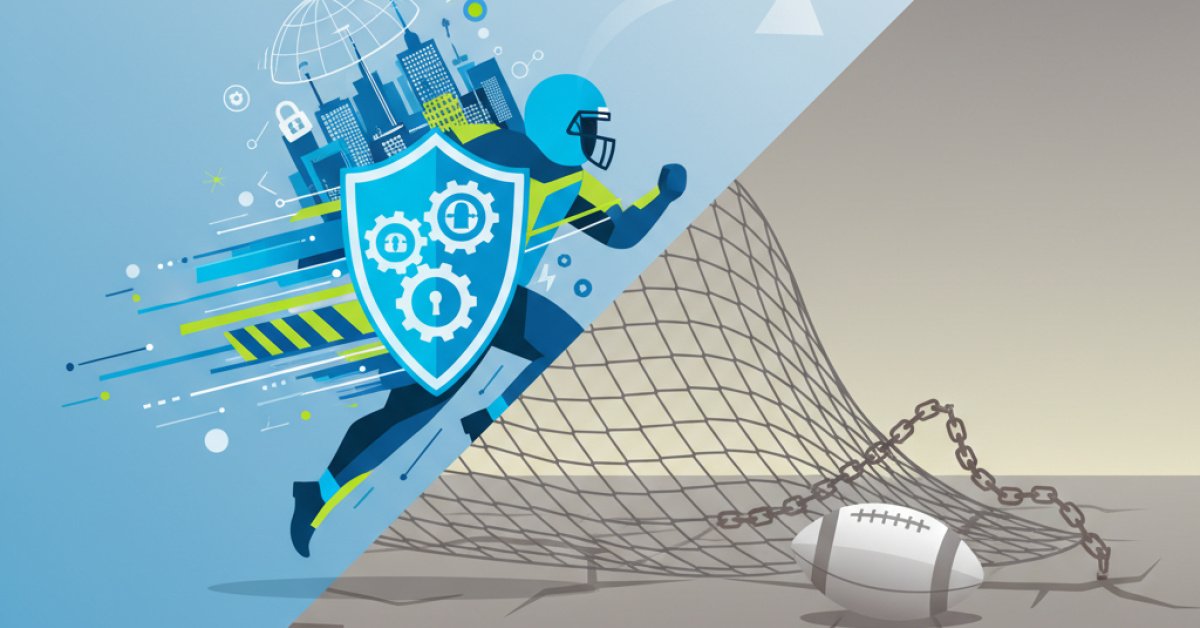
Let’s be honest, for most of our lives, we’ve thought about insurance in one very specific way. It’s the safety net you hope you never have to use. You pay your premium every month, and in return, you get a promise: if something terrible happens—a fire, a car crash, a burst pipe—a check will show up to help you fix it or replace what you lost.
It’s a simple, reactive model. Something breaks, they pay to repair it. Something gets stolen, they pay to replace it. And for a long, long time, that worked just fine.
But a quiet, massive shift is happening behind the scenes. The entire foundation of the insurance industry is tilting. Insurers are realizing that just waiting for disaster to strike and then writing a check isn't a sustainable business model anymore. They're moving from being a reactive cleanup crew to a proactive partner in your life. And frankly, it's about time.
So, Why the Sudden Change of Heart?
You might be thinking, "Why would they change a model that's worked for a hundred years?" The answer is simple, and it all comes down to cost.
The price of everything is going up. Think about it. The cost to repair a car today, with all its sensors and computers, is astronomically higher than it was 10 years ago. Rebuilding a home after a storm, with lumber and labor costs skyrocketing, is a whole different ballgame.
In industry-speak, they call this "rising loss severity." It's just a fancy way of saying that when a claim does happen, the payout is bigger than ever before. These claims are getting so expensive, so frequent, that the old "collect premiums and pay claims" model is starting to buckle under the pressure. Insurers looked at their balance sheets and realized they couldn’t just keep raising everyone’s rates to cover these massive losses. They had to get smarter.
They had to find a way to stop the loss from happening in the first place.
From "Repair and Replace" to "Predict and Prevent"
This is the core of the new approach. Instead of just being your financial backstop, your insurer wants to be your partner in risk management.
Imagine this: a tiny, smart water sensor under your kitchen sink that costs your insurance company a few bucks to give you. One night, a slow leak starts. Instead of discovering it weeks later when your floorboards are warped and mold is growing in the walls—leading to a $20,000 claim—the sensor detects the moisture and immediately sends an alert to your phone. You shut off the water, call a plumber, and fix a tiny problem for a hundred bucks.
Who wins here? You do, obviously! You avoided a massive headache and a trashed kitchen. But your insurer also wins, because they just avoided a five-figure payout.
That’s the "Predict and Prevent" model in a nutshell. It’s about using technology and data to identify risks before they turn into disasters.
What does this look like in the real world?
It's not just a futuristic idea; it's happening right now. You've probably already seen examples of it:
- For your home: Insurers are offering discounts (or even free devices) for installing smart home tech. We're talking about water leak detectors, smart smoke alarms, and security systems that actively help you protect your biggest asset.
- For your car: This is where telematics comes in. You know, those little plug-in devices or smartphone apps that monitor your driving. It might feel a bit "Big Brother," but the goal is to give you feedback on your habits. It can tell you if you’re braking too hard or accelerating too fast, helping you become a safer driver. Safer driving means fewer accidents, which is a win for everyone.
- For businesses: This is where it gets really sophisticated. Think IoT (Internet of Things) sensors on commercial boilers to predict when they'll fail, GPS trackers on fleets of trucks to monitor driver behavior and prevent theft, or even thermal imaging on electrical panels to spot fire hazards before they ignite.
The idea is to turn your insurance policy from a piece of paper in a filing cabinet into an active, living service that helps you every day.
This Changes Everything About Your Relationship with Your Insurer
For decades, the only time you really talked to your insurance agent was when you were buying a policy or filing a claim—usually on one of the worst days of your life. It was a purely transactional relationship.
This new model turns that on its head.
It’s about creating a partnership. Your insurer is now invested in keeping you, your family, and your property safe. Their success is now directly tied to your success in avoiding loss. It’s a powerful alignment that just didn't exist before.
You’re no longer just a policy number in a database; you’re a partner in a shared goal. They provide the tools and the data-driven insights, and you use them to make smarter, safer choices. In return, you get to avoid disasters, and you're often rewarded with lower premiums. It’s one of the rare instances where everyone’s interests are perfectly aligned.
So, the next time you see an offer from your insurance company for a smart home device or a safe driving app, don't just dismiss it as a marketing gimmick. It’s a sign of this massive, underlying shift. It’s a signal that they want to do more than just send a check after the damage is done. They want to help you make sure that day never comes. And in a world full of risks, that's a pretty welcome change.