Ever get that feeling when you open an email, and your stomach just drops? For a lot of business owners lately, that email is the one with the subject line: "Your Commercial Insurance Renewal."
You hold your breath, click open the attachment, and… yep. The number is higher. Again.
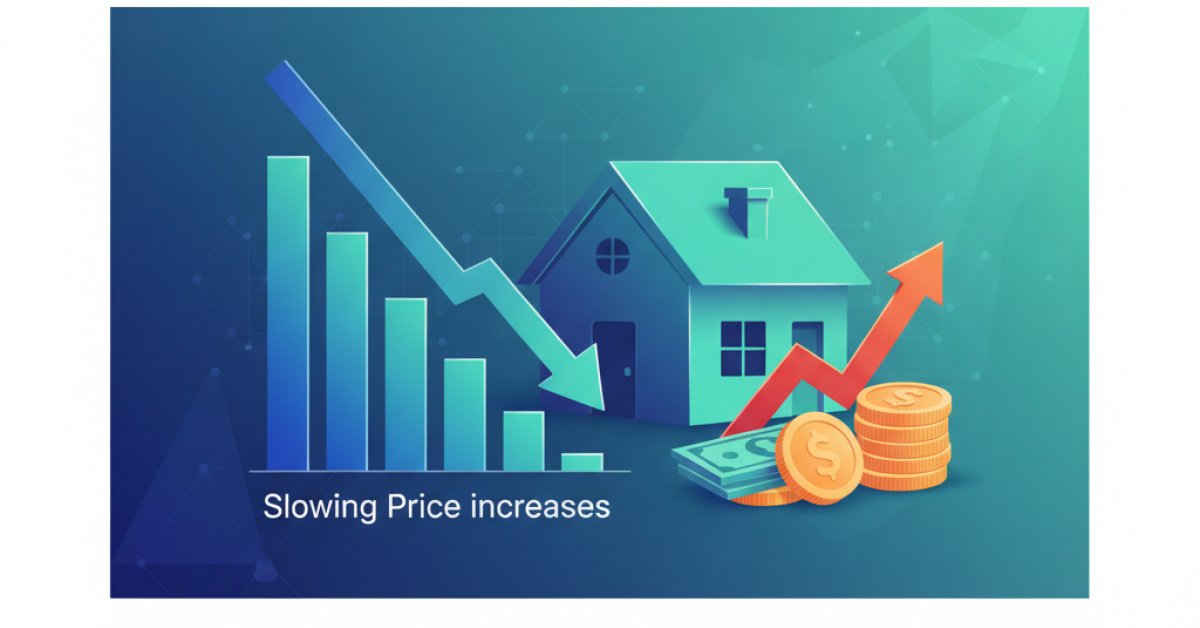
If this sounds familiar, I want you to know you’re not going crazy, and your agent isn’t trying to pull a fast one. We’re still navigating a really tough insurance market, and the latest numbers from the Ivans Index—which is basically a big-picture report card for insurance pricing—confirm what we’re all feeling on the ground.
But here’s the interesting part: the story isn’t the same for every type of coverage. It’s a bit of a rollercoaster, with some lines of insurance seeing prices skyrocket while others are actually starting to level off. So let’s pop the hood and see what’s really going on.
The Big Picture: Why Does It Feel Like This?
Before we get into the nitty-gritty, let's talk about the "why." For the past few years, we've been in what the industry calls a "hard market."
Think of it like the housing market a couple of years ago. Lots of buyers (people needing insurance), not enough houses for sale (fewer insurance companies willing to take on risk), and the houses that are available are selling for way over the asking price. That’s a hard market in a nutshell.
Insurance carriers are getting hit with massive claims from everything like hurricanes and wildfires to crazy lawsuits and the soaring cost of fixing a modern vehicle. So, to stay afloat, they have to charge more and be a lot pickier about who they insure. While there are some signs of things calming down, we're definitely not out of the woods yet.
A Line-by-Line Look at Your Renewal Bill
Okay, let’s get specific. The Ivans Index tracks the average change in premium rates when policies renew. Here’s a breakdown of what the most recent report showed for the major commercial lines.
Commercial Auto: Still a Bumpy, Expensive Road
No big surprise here for anyone who runs a fleet of vehicles. Commercial Auto rates continued their upward climb, jumping up again last month. We saw a pretty significant increase from the month before, putting it at one of the highest jumps of the year.
Why is this happening? It’s a perfect storm.
- Repair Costs: The tech in new trucks and vans—sensors, cameras, computers—is incredibly expensive to fix. A simple fender bender isn't so simple anymore.
- Medical Costs: The cost of treating injuries after an accident keeps rising.
- Lawsuits: We’re seeing more and more massive, multi-million dollar verdicts in accident cases, and that risk gets priced into everyone’s policy.
Unfortunately, I don't see this one getting better anytime soon. It remains one of the most challenging areas in commercial insurance.
Business Owner's Policy (BOP): Holding Steady, But Still High
A BOP is a bundle deal—it usually combines your property and general liability coverage. The good news? The rate increases here have slowed down a bit. Last month, the average increase was pretty much flat compared to the month prior.
But don't get too excited. "Flat" just means it didn't get worse. The rates are still renewing at a significantly higher level than they were a year or two ago. Because a BOP is tied to both property and liability, it’s getting pulled in two different directions, which is likely why it's less volatile than other lines right now.
General Liability: Finally, a Little Breathing Room?
Here’s a glimmer of hope. General Liability (GL) saw its lowest rate increase in quite a while. The renewal rates ticked up, but only by a small amount, continuing a trend of slowing increases we've seen over the past few months.
This might suggest that some of the wild volatility in the liability world is starting to stabilize. It’s still going up, mind you, but it’s not the gut punch it used to be. For contractors, retailers, and other Main Street businesses, this is a welcome sign.
Commercial Property: The Elephant in the Room
Oof. This is the one that’s causing the most headaches. Commercial Property rates shot up again, reaching one of the highest average increases we've seen all year.
If you own a building, you’re feeling this acutely. The reason is pretty straightforward:
- Catastrophes: More frequent and severe weather events (hurricanes, tornadoes, wildfires) are leading to record-breaking losses for insurers.
- Reinsurance Costs: This is basically insurance for insurance companies. Their costs have gone through the roof, and they pass that right down the line to you.
- Building Costs: The price of lumber, steel, and labor to rebuild after a loss is still incredibly high.
Your property renewal is likely going to be the most painful part of your insurance portfolio for the foreseeable future.
Umbrella Insurance: The Price of Extra Protection is Up
Umbrella policies, which give you an extra layer of liability protection, also saw a jump in renewal rates. This makes sense. As the cost of those huge lawsuits I mentioned earlier goes up, the value of that extra million (or five million) in coverage goes up, too. And so does the price. It’s a direct reflection of the risky legal environment we’re all operating in.
Workers' Compensation: The One True Bright Spot
And now for some genuinely good news! Workers' Comp was the only line where renewal rates went down. Yes, you read that right—a negative rate change.
This has been a consistent trend for a while now. Why? A huge focus on workplace safety over the past decade has led to fewer and less severe claims. From better training to safety tech, businesses are doing a better job of protecting their people, and it’s paying off in their insurance premiums. It’s proof that proactive risk management really can make a difference.
So, What Can You Actually Do About All This?
Reading all this might feel a bit discouraging, but knowledge is power. Understanding why your rates are changing is the first step to getting control. You're not just a victim of the market; you can be an active participant.
My best advice? Don't wait until 30 days before your renewal to think about it. Start the conversation with your insurance agent 90 or even 120 days out. This gives you time to strategize. Can you increase your deductible? Are there risk management programs you can implement? Is it time to shop your policy around to different carriers?
The market is what it is, but a good strategy can make a world of difference. Having these numbers in hand helps you know what to expect and allows you to have a much more productive conversation about protecting the business you’ve worked so hard to build.