It’s hard to even wrap your head around a number like 13,000 volts.
That’s more than 100 times the power coming out of the wall socket in your home. It’s an immense, unforgiving force of energy. For most of us, it’s just an abstract number on a warning sign. But for one worker, it became a life-altering reality in a split second.
When an accident like that happens, everything descends into chaos. There are sirens, emergency rooms, doctors speaking a language you don’t understand, and an overwhelming wave of fear and uncertainty. In those first few hours, you’re not thinking about insurance paperwork or claims numbers. You’re just trying to breathe.
This is a story, inspired by real events, about what happens in the moments after the chaos. It’s about how, in the middle of the worst day of someone’s life, the right person showing up can make all the difference.
The Moment Everything Changed
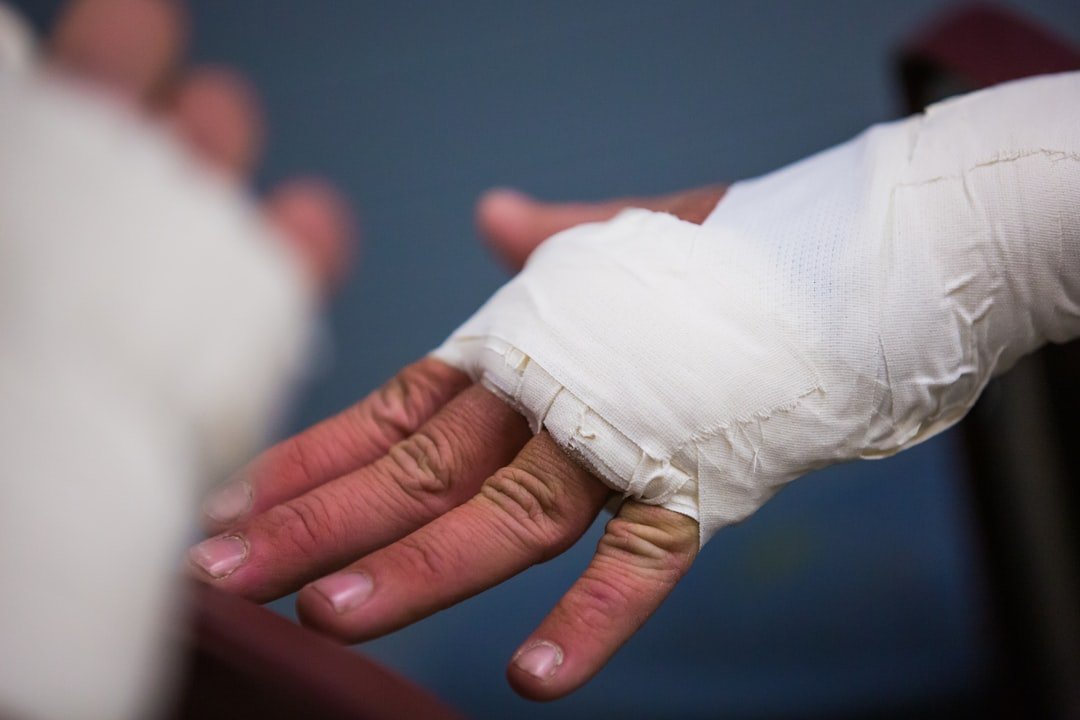
Imagine the scene. A catastrophic accident on the job. A worker suffers severe, life-threatening burns from a high-voltage electrical shock. He’s rushed to the hospital, and his family’s world is completely turned upside down.
This is where the journey usually gets complicated and, let's be honest, incredibly lonely. You're suddenly thrown into a maze of medical jargon, treatment plans, and administrative hurdles. Who do you talk to? What are the next steps? How do you navigate a system that feels massive and impersonal when your needs are so deeply personal?
This is the critical moment where a workers' compensation claim can go one of two ways. It can become a frustrating, bureaucratic nightmare, or it can become a lifeline. For this family, thankfully, it was the latter.
More Than a Claim: The Role of the Field Case Manager
Soon after the accident, a Field Case Manager from Broadspire was assigned to the case. Now, if you hear a title like "Case Manager," you might picture someone behind a desk, buried in paperwork. But that’s not what this is.
Think of this person as a quarterback for the entire recovery process. Or maybe an air traffic controller. Their job is to stand in the middle of the chaos and bring order, clarity, and a sense of calm. They become the single point of contact for a family that’s been shattered into a million pieces.
So, what does that actually look like?
A Navigator in the Medical Maze
First and foremost, the case manager dives headfirst into the medical side of things. In a case this severe, you’re not just dealing with one doctor. You have burn specialists, surgeons, physical therapists, and a whole team of medical professionals.
The case manager’s job is to coordinate all of it. They’re on the phone with the doctors, attending appointments, and making sure the treatment plan is sound and moving forward. They act as a translator, taking complex medical information and breaking it down into plain English for the family. They ensure that the injured worker is not only getting care, but getting the best possible care from the right specialists, right away.
A Lifeline for the Family
This is the part that I think is so incredibly important. The case manager wasn't just there for the patient; they were there for the family.
While the family was focused on their loved one, the case manager was in the background, handling the immense administrative burden. They were the ones coordinating benefits, dealing with the insurance side of things, and making sure nothing fell through the cracks. This frees up the family’s emotional and mental energy to focus on what truly matters: supporting the person they love.
It’s about offering a steady, knowledgeable hand to hold when everything else feels like it’s spinning out of control. It’s a human connection in a system that can often feel anything but.
Why This Human Touch Matters So Much
We talk a lot in the insurance world about policies, coverage, and claims processing. It’s easy to get lost in the terminology and forget what we’re really here for. A story like this snaps it all back into focus.
This compassionate, hands-on approach isn't just "good customer service." It has a profound impact on the outcome. When an injured worker and their family feel supported, understood, and guided, it can:
- Improve Medical Results: Getting the right care at the right time is critical. A dedicated case manager advocating for the patient can genuinely speed up recovery and lead to better long-term health.
- Reduce Stress and Anxiety: The psychological toll of a major injury is immense. Having a trusted ally to navigate the system removes a huge layer of stress, allowing the patient to focus on healing.
- Build Trust: Let’s face it, the insurance process can feel adversarial. This kind of partnership approach completely changes that dynamic. It shows that the goal isn't just to close a claim, but to help a person rebuild their life.
This story is a powerful reminder that behind every claim number is a human being. It highlights the incredible difference between simply processing a transaction and truly managing someone’s care. It’s the difference between being a file on a desk and a person with a name, a family, and a future. And in the end, that's the difference that truly defines what this work should be all about.