For the last couple of years, talking about reconstruction costs in the insurance world has felt a bit like discussing the weather during a hurricane. It’s been chaotic, unpredictable, and honestly, pretty bleak. Every time you thought prices for lumber or labor couldn't possibly go higher, they did.
If you're in underwriting, claims, or you're a business owner just trying to make sure your property is properly insured, you know exactly what I’m talking about. It’s been a constant, uphill battle trying to keep replacement cost valuations accurate when the goalposts were moving every single month.
But it looks like we might finally be able to take a breath.
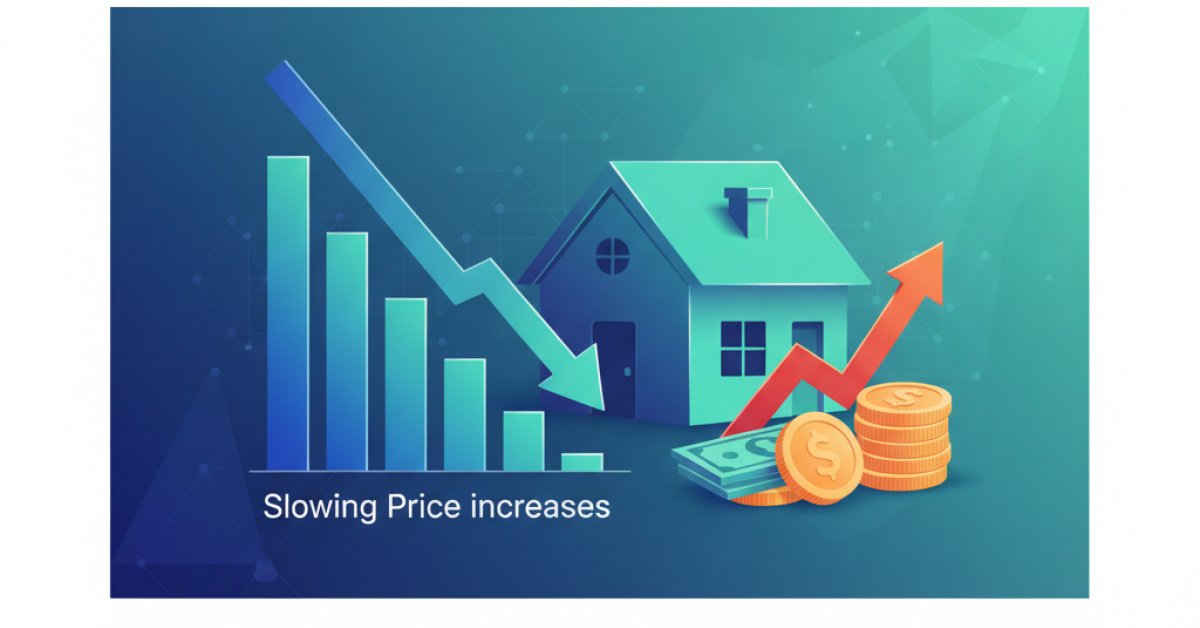
Recent data just came out from Verisk, and for the first time in a long while, the news is genuinely encouraging. The crazy, runaway inflation we’ve been seeing in reconstruction costs actually cooled off in the second quarter of this year. It’s not a full-blown price drop across the board, but it’s a slowdown. And right now, we’ll take it.
Let's unpack what’s really going on and what this shift could mean for all of us.
So, How Much Have Things Actually Cooled Off?
Think of the last few years as a car with the gas pedal floored, speeding down the highway. What we're seeing now isn't the car stopping or going in reverse, but the driver easing their foot off the gas. The speed is stabilizing.
According to Verisk's latest analysis, the rate of increase for rebuilding costs in the U.S. has noticeably decelerated. While we were previously seeing double-digit year-over-year increases, the Q2 numbers suggest a much more manageable, single-digit pace.
Here’s the thing: costs are still higher than they were last year, but they aren't spiking anymore. The curve is starting to flatten. This is a huge deal. It gives insurers a chance to catch up and recalibrate, rather than constantly chasing a moving target.
What's Behind the Slowdown?
So, why the change of heart from the construction market? It’s not one single thing, but a combination of factors that are finally giving us some relief.
It’s a bit like a fever breaking. For a while, the system was just completely out of whack. Now, a few things are helping it get back to normal:
- Supply Chains are Healing: Remember the great lumber crisis of 2021? Or the massive backlogs for everything from windows to drywall? While not perfect, supply chains have largely untangled. Materials are flowing more freely, which reduces pricing pressure and delays.
- Lumber Prices Came Back to Earth: Lumber was the poster child for pandemic inflation. Prices went through the roof. Thankfully, they’ve since come down significantly from their peak. While other material costs remain elevated, this one major component has provided some real relief.
- Cooling Housing Market: Higher interest rates have put a damper on new home construction. While that’s tough for homebuilders, it has an interesting side effect for the insurance world. With less demand from new builds, there’s more labor and material availability for repair and reconstruction jobs.
It’s a classic case of supply and demand starting to find a new equilibrium. The frantic, "buy-it-at-any-cost" panic has subsided, replaced by a more stable, predictable market.
What This Means for Insurers and Policyholders
Okay, this is the big question, right? What does a slowdown in reconstruction costs actually mean for our day-to-day?
For insurers, this is a welcome sigh of relief. For years, pricing property risk has felt like trying to hit a target in the dark. You’d write a policy based on a certain replacement cost, and six months later, a claim would come in and the actual cost to rebuild was 20% higher. That’s a recipe for unprofitability.
This new stability allows for:
- More Accurate Underwriting: Insurers can have more confidence in their replacement cost estimators. This leads to more accurate premiums that truly reflect the risk, which is better for everyone.
- More Predictable Claims: When a claim comes in, the cost to repair or rebuild is less likely to be a wild surprise. This helps manage loss ratios and keeps reserves in better shape.
- A Bit of Breathing Room: It gives carriers a moment to assess the damage from the last few years of inflation and plan for the future with slightly more certainty.
Now, for business owners and homeowners, the impact might not be as immediate, but it's just as important. Don't expect your insurance premiums to suddenly drop overnight. Insurance rates are often a lagging indicator, reflecting the losses from previous years.
However, this trend is a crucial first step toward stabilizing premiums down the road. When the costs to pay claims become more predictable, the pressure to constantly raise rates eases up. It stops the bleeding and sets the stage for a healthier market.
Let’s Not Pop the Champagne Just Yet
As good as this news is, it’s important to keep a level head. This isn't a mission-accomplished moment.
First, costs are slowing, not falling. Rebuilding a property today is still significantly more expensive than it was in 2019. We’re just not seeing the wild month-over-month increases anymore. The new, higher cost base is likely here to stay.
Second, the skilled labor shortage hasn't magically disappeared. Finding qualified roofers, electricians, and plumbers is still a major challenge in many parts of the country, and their labor rates reflect that. This will continue to be a source of pressure on claims costs for the foreseeable future.
And finally, we have to consider regional differences. A national average is just that—an average. A slowdown in the Midwest might be completely offset by a spike in costs in Florida or California after a major hurricane or wildfire season. Catastrophic events can throw all the models out the window in a heartbeat.
So, while we can be optimistic, we also have to be realistic. This is a positive development, but it's just one piece of a very complex puzzle. It’s a sign that the market is beginning to self-correct, and for anyone who deals with property insurance, that’s a welcome change of pace. For now, we'll take the win and keep a close eye on what the next quarter brings.