You’ve been saving for months, maybe even years. You’ve got the Pinterest board, you’ve picked out the paint colors, and you’re finally ready to pull the trigger on that home renovation project you’ve been dreaming of. You find a contractor who seems great—friendly, confident, and their price is right. You hand over the deposit, excited to see the transformation begin.
And then… nothing.
The phone calls go to voicemail. The start date comes and goes. The initial excitement curdles into a knot of anxiety in your stomach. It’s a homeowner’s absolute worst nightmare, and sadly, it happens all the time. It’s not just a story; it’s a reality that recently played out for several families in the Midwest.
A Cautionary Tale from Missouri
Let's talk about a real-world example that should make any homeowner pause. The Missouri Attorney General’s Office recently filed felony charges against a man named Jeffrey Griffin, who ran a business called Griffin Quality Construction. He operated across Western Missouri and into Eastern Kansas.
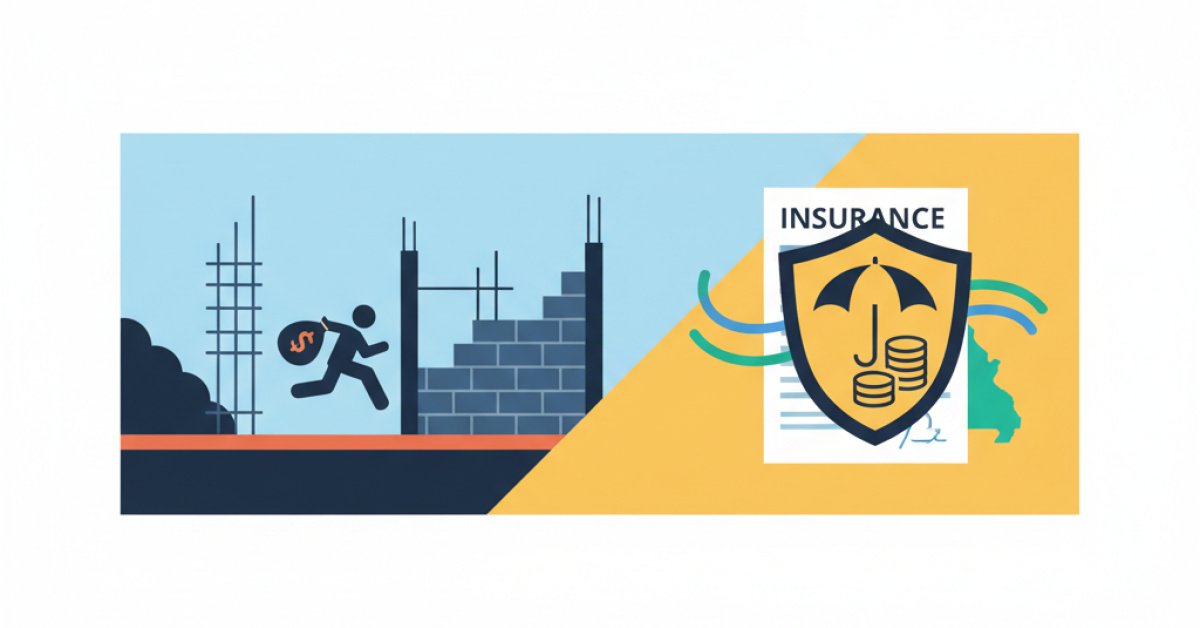
From the outside, it probably looked like any other local construction business. The problem? Griffin was allegedly taking big payments from people for jobs—specifically staircase repairs—and then vanishing. He’d cash the check, and that was the last homeowners would hear from him. The work was never started, let alone finished.
Imagine being in that position. You’ve paid thousands of dollars for a critical repair, and you’re left with a dangerous staircase and an empty bank account. It’s infuriating, and it feels deeply personal. It’s a complete violation of trust.
“But Wait, My Homeowners Insurance Will Cover This, Right?”
This is the first question most people ask, and I really wish I had better news. But the hard truth is, your standard homeowners insurance policy almost certainly will not cover you in a situation like this.
I know, that feels wrong. You pay your premiums every month for protection! But here’s the thing: homeowners insurance is designed to cover specific, sudden, and accidental events called "perils." Think fires, hail storms, a tree falling on your roof, or a burst pipe. It's for unexpected disasters.
It’s not designed to protect you from a bad business deal or a contractual dispute. In the eyes of the insurance company, hiring a fraudulent contractor isn't an "accident" in the same way a tornado is. It's a business transaction that went sour. They expect you to do your due diligence before handing over your money. It’s a tough lesson to learn when you’re already out thousands of dollars.
The Real Protection: It's All About Their Insurance, Not Yours
So if your policy won’t help, are you just out of luck? Not necessarily. The key to protecting yourself isn’t found in your own insurance documents—it’s found in your contractor’s.
Before you let anyone swing a hammer in your house, you need to become a bit of an insurance detective. There are two key things you must verify they have:
-
General Liability Insurance: This is non-negotiable. This policy protects you if the contractor or their employees cause damage to your property. Let's say they drop a load of lumber through your living room window or accidentally cut a water line that floods your basement. Their general liability insurance pays for those repairs, not you. Without it, you could be stuck suing them to get your money, which is a long and expensive road.
-
Workers' Compensation Insurance: This is another big one. If a contractor or one of their employees gets injured while working on your property, this insurance covers their medical bills and lost wages. Why should you care? Because if they don't have it, they could potentially sue you to cover their costs. Yes, really. Your home could be on the line because their employee fell off a ladder.
The Secret Weapon Against Fraud: The Surety Bond
Okay, so liability and workers' comp protect you from accidents. But what about outright fraud, like in the Griffin Quality Construction case where the guy just takes your money and disappears?
This is where a surety bond comes in.
Think of a surety bond as a three-way promise between the contractor, you (the homeowner), and a surety company.
- The Contractor promises to do the job right and follow the law.
- You are protected if they break that promise.
- The Surety Company provides a financial guarantee. If the contractor fails to finish the job or just runs off with your deposit, you can file a claim with the surety company to get your money back.
It’s basically a performance guarantee backed by an insurance company. A contractor who is "licensed and bonded" has gone through a financial vetting process. The surety company has looked at their finances and business history and decided they are a good risk. A shady operator often can't even get a bond, so just asking for proof of one can weed out the bad apples from the start.
Your Pre-Hiring Protection Checklist
It can feel a little awkward to ask a contractor to prove they're legitimate, but don't ever feel bad about it. A true professional will have all this information ready and will be happy to provide it. They'll understand you're just protecting your biggest investment.
Before you sign a single piece of paper or write a check, go through this list:
- Get It All in Writing: Demand a detailed, written contract that outlines the scope of work, the total cost, the payment schedule, and a projected timeline. Vague agreements lead to big problems.
- Never Pay in Full Upfront: A reasonable deposit is normal (maybe 10-30%), but never, ever pay for the entire job before the work is complete. Set up a payment schedule tied to specific project milestones.
- Ask for Proof of Insurance: Ask for a "Certificate of Insurance" for both General Liability and Workers' Comp. But don't just take the paper they hand you.
- VERIFY the Insurance: This is the most important step. Call the insurance company listed on the certificate and confirm that the policy is active and covers the type of work you're having done. It’s a five-minute phone call that can save you a five-figure headache.
- Confirm Their Bond: Ask for the surety bond number and the name of the bonding company. You can call the company to verify the bond is still in effect.
Protecting yourself from contractor fraud isn’t about being paranoid; it’s about being smart. The folks who hired Griffin Quality Construction were probably good people who just wanted to get their homes fixed. A little bit of due diligence on the front end could have saved them a world of hurt.
At the end of the day, your home is your sanctuary. Taking these few extra steps ensures that the people you invite in to work on it are trustworthy professionals who are just as invested in protecting it as you are.