Remember the early days of the pandemic? It felt like the Wild West of healthcare. We were all just trying to figure things out, and a huge part of that was the mad scramble for COVID-19 tests. Were they free? Did insurance cover them? Who was paying for what? It was confusing for us, and honestly, it was just as chaotic for the doctors and pharmacists on the front lines.
Well, some of that dust is starting to settle, and we're beginning to see the fallout from that chaotic period. A recent story out of Oklahoma is a perfect example. A group of local pharmacies just agreed to pay back $157,000 to the state. It’s a case that might seem small on the surface, but it pulls back the curtain on a much bigger issue in the world of healthcare and insurance.
Let’s get into what happened and, more importantly, why you should care, even if you don’t live anywhere near Oklahoma.
So, What Exactly Went Down?
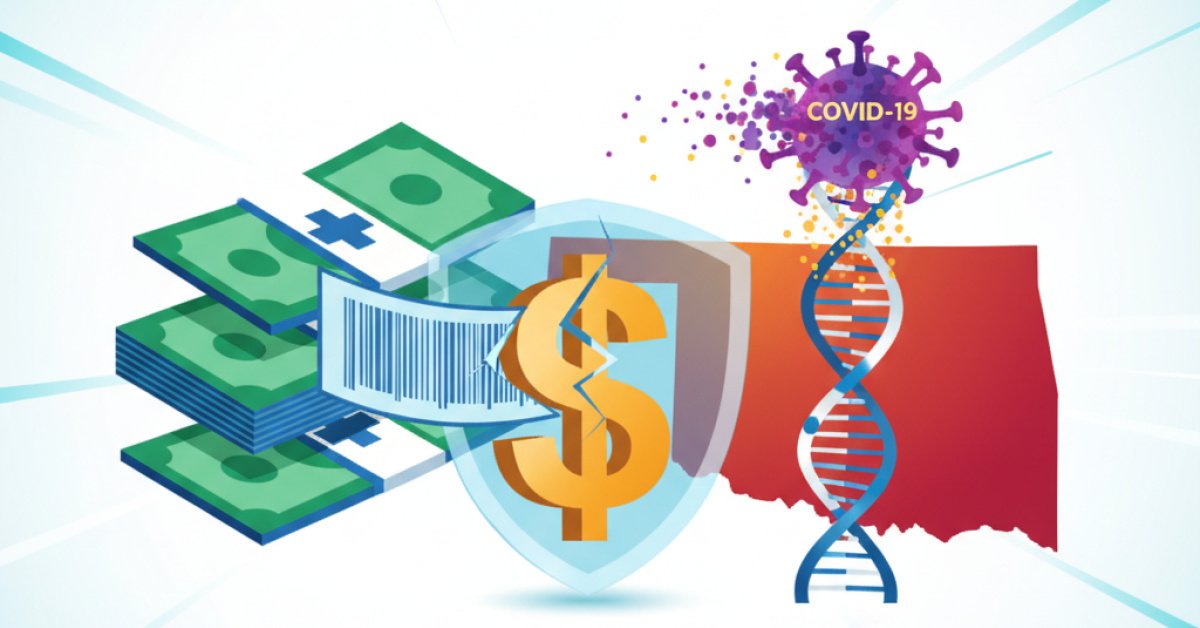
Here’s the short version: Several pharmacies in Oklahoma were accused of billing the state's Medicaid program, SoonerCare, for hundreds of over-the-counter COVID-19 tests that weren't authorized.
The pharmacies involved agreed to a settlement to resolve these allegations. The group includes:
- Apothecary Pharmacy
- Cornwell Pharmacy
- Cushing Family Pharmacy
- R.T.’s Family Discount Pharmacy
- Foster Corner Drug
Now, $157,000 might not sound like a blockbuster number compared to the multi-billion dollar healthcare industry. But think about it this way: that's a significant amount of money for what was described as "hundreds" of tests. It points to a breakdown somewhere in the billing process, where public funds were being paid out for things they shouldn't have been.
This wasn't a criminal trial, and a settlement isn't an admission of guilt. It's often just a way for both sides to avoid a long, expensive legal battle. But it does mean that the state had enough evidence to make a strong case that something wasn't right.
This is More Than Just a Billing Error
Okay, so some pharmacies messed up their billing. Why is this a big deal? Because this kind of thing is a classic example of what we in the insurance world call "improper billing," which can sometimes be a stepping stone to outright fraud. And that, my friends, affects every single one of us.
Think of our healthcare system like a giant community swimming pool. The water in the pool is the money that pays for everyone's care. That money comes from our taxes (for programs like Medicaid) and the premiums we pay for private insurance.
Every time a fraudulent or improper claim gets paid, it's like a small leak in the pool. One tiny leak doesn't seem like a big deal. But when you have thousands of these little leaks happening all over the country, every single day? The water level starts to drop.
And what happens when the water level gets too low? The people who own the pool (the government and insurance companies) have to refill it. They do that by raising our taxes and our insurance premiums. So, that $157,000 in Oklahoma? It’s a tiny piece of a multi-billion dollar problem that ultimately comes out of your pocket and mine. It's the reason our healthcare costs keep climbing.
Was It a Mistake or Something More?
To be fair, the pandemic created a perfect storm for these kinds of "errors." The rules for what was covered and how to bill for it were changing almost daily. A special federal program was set up to make sure people could get tests, but the guidelines were complex.
It’s entirely possible this was a case of genuine confusion. Pharmacists were overwhelmed, trying to serve their communities while navigating a mountain of new regulations. Maybe they misunderstood a billing code or a new rule about prior authorization. It happens.
But it’s also possible that some saw an opportunity in the chaos. When systems are stressed and oversight is stretched thin, it becomes easier for bad actors to submit improper claims, hoping they’ll slip through the cracks. The truth in this specific Oklahoma case is likely somewhere in the middle, which is often why these things end in a settlement rather than a court verdict.
The Takeaway for All of Us
This story isn't just about a few pharmacies in one state. It's a reminder that the healthcare billing system is incredibly complex and, unfortunately, vulnerable to errors and abuse.
So, what can we do? We can be vigilant.
The single best thing you can do is to read your Explanation of Benefits (EOB). You know, that document your insurance company sends you after you visit a doctor or get a prescription filled? Most of us glance at it and toss it in a drawer. Don't!
Take a minute to actually read it.
- Did you really see that doctor on that date?
- Did you receive that specific service or test?
- Does anything look strange or unfamiliar?
If you spot something that seems off, call your insurance company. It might be a simple mistake. But you might also be the one to catch a fraudulent charge. You're the only person who knows for sure what care you actually received.
This Oklahoma settlement is a win for taxpayers and for the integrity of the SoonerCare program. It shows that auditors and investigators are watching. And for the rest of us, it’s a great reminder that keeping our healthcare system healthy is a team sport. Every little bit of diligence helps keep that pool full for when we really need it.