You picture it, right? The perfect ski vacation. Crisp mountain air, the satisfying crunch of snow under your boots, and a cozy drink at a bar after a long day on the slopes. It’s the kind of trip we all dream about and save up for.
But what happens when that dream turns into an absolute nightmare?
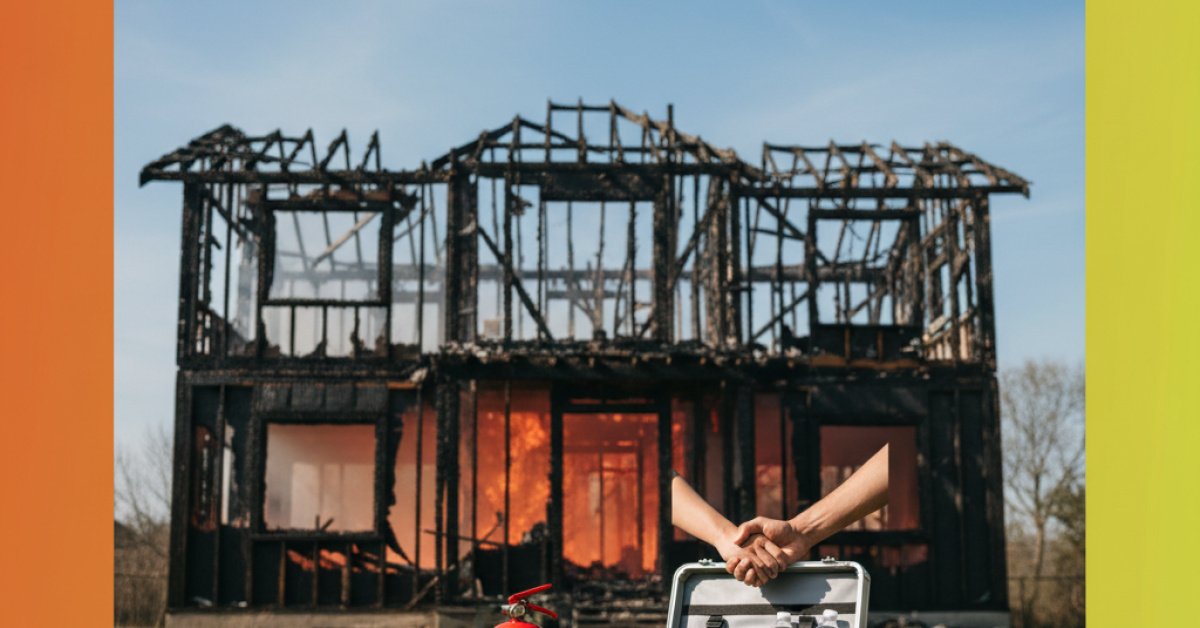
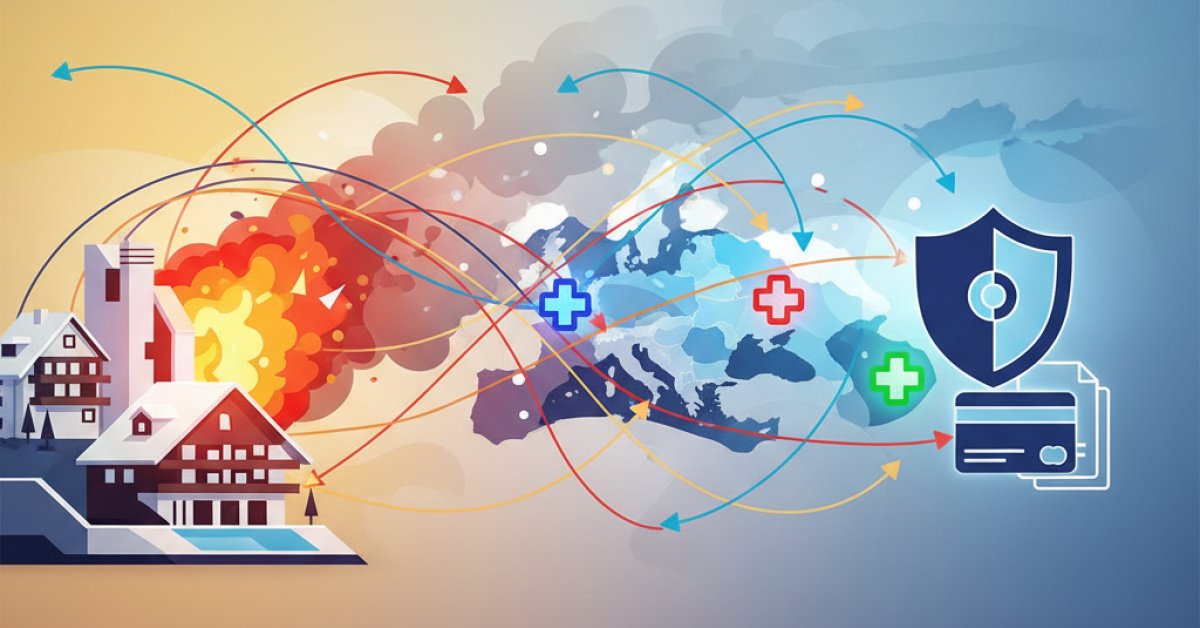
Recently, a devastating fire ripped through a bar in the Swiss ski resort of Crans-Montana. The tragedy was so severe that the most critically injured victims couldn't be treated locally. They had to be airlifted to specialist burns units in other countries—Germany, Italy, and France.
Think about that for a second. One minute you're on vacation, the next you're fighting for your life in a foreign hospital, far from the resort, possibly far from your family. It’s a heartbreaking scenario, and it immediately brings up a tangled, terrifying question: who pays for all of this?
This is where insurance stops being a boring piece of paper you file away and becomes the most important financial safety net you’ve ever had. Let's unpack the different layers of coverage that kick in during a multi-national tragedy like this.
Your First Line of Defense: Travel Insurance
We’ve all been there. You're booking a flight or a hotel, and a little pop-up asks, "Add travel insurance for $29.99?" It’s so easy to click "no, thanks" and move on. We think, "What could possibly go wrong?"
Well, this. This is what could go wrong.
When you’re facing a medical emergency abroad, your regular health insurance from back home might not cover you at all. And even if it does, it almost certainly won't cover the most expensive part of a major incident: medical evacuation.
Why Medical Evacuation is a Game-Changer
In the Crans-Montana fire, victims were flown to specialized hospitals in Stuttgart, Milan, and Paris. That’s not a commercial flight. That’s a medically-equipped emergency transport, often a helicopter or a private jet with doctors and nurses on board.
The cost for something like that? It can easily run into the tens, or even hundreds, of thousands of dollars. Per person.
A good travel insurance policy with robust medical evacuation coverage is designed for exactly this scenario. It’s not just about getting you to the nearest hospital; it’s about getting you to the right hospital for your specific injuries, even if it’s across a national border.
Without it, you or your family would be on the hook for that bill. It’s a financially crippling burden on top of an already unimaginable emotional one.
The Other Side of the Coin: The Business's Liability
Now, let's shift our perspective from the victims to the owner of the bar where the fire broke out. This tragedy isn't just a human catastrophe for them; it's a business-ending financial one if they aren't properly insured.
Every business that serves the public, from a small coffee shop to a sprawling ski resort, needs something called Commercial General Liability (CGL) insurance.
Think of CGL as a massive financial shield. Its primary job is to protect the business from claims of bodily injury or property damage that happen on its premises. In a situation like this fire, the claims would be astronomical.
Here’s what the bar’s liability policy would be expected to handle:
- Immediate Medical Costs: Covering the initial treatment for the injured patrons.
- Long-Term Care: Paying for ongoing therapies, rehabilitation, and surgeries for the victims.
- Pain and Suffering: Compensation for the physical and emotional trauma endured.
- Legal Defense: If the business is sued (which is almost a certainty), the insurance company pays for the lawyers and legal fees.
Without a multi-million dollar liability policy, a single incident like this would bankrupt the business instantly. The owner could lose everything—their business, their personal assets, their home. It underscores that for a business owner, liability insurance isn’t an option; it’s a fundamental necessity.
The Ripple Effect: Other Policies at Play
It’s easy to think of this as just a simple case of "the business's insurance pays for the injured customers." But the reality is far more complex. A single event like this triggers a whole cascade of different insurance claims.
For example, what about the employees who were working in the bar?
Any staff members who were injured aren't covered by the general liability policy. Their injuries fall under Workers' Compensation insurance. This is a separate policy that every employer is required to carry. It covers employee medical bills and lost wages if they get hurt on the job.
And what about the building itself? The physical structure of the bar, the equipment, the furniture—all of that is toast. That’s where Commercial Property Insurance comes in. This policy helps the owner rebuild the physical space and replace what was lost in the fire.
Finally, there's Business Interruption Insurance. The bar is closed. It's not making any money, but the owner still has bills to pay. This coverage helps replace lost income while the business is unable to operate, giving them a fighting chance to eventually reopen their doors.
This Isn't Just a Story; It's a Sobering Lesson
When we read headlines about tragedies like the Crans-Montana fire, it's easy to feel distant from it. It happened somewhere else, to someone else.
But the lessons here are universal.
For travelers, it’s a powerful reminder to never, ever skip on comprehensive travel insurance. Read the fine print. Make sure it includes a high limit for medical evacuation. That small expense before your trip can save you from a lifetime of debt.
For business owners, it’s a stark illustration of why you can't cut corners on your liability coverage. You need to imagine the absolute worst-case scenario and ensure your policy is strong enough to withstand it.
Insurance can feel complicated and, let's be honest, a little boring. But at its core, it’s about one thing: being there when everything else falls apart. It's the silent partner that steps in during our darkest hours, providing the resources needed to heal, to rebuild, and to carry on. The tragic events in Switzerland are a heartbreaking reminder of just how crucial that silent partner can be.