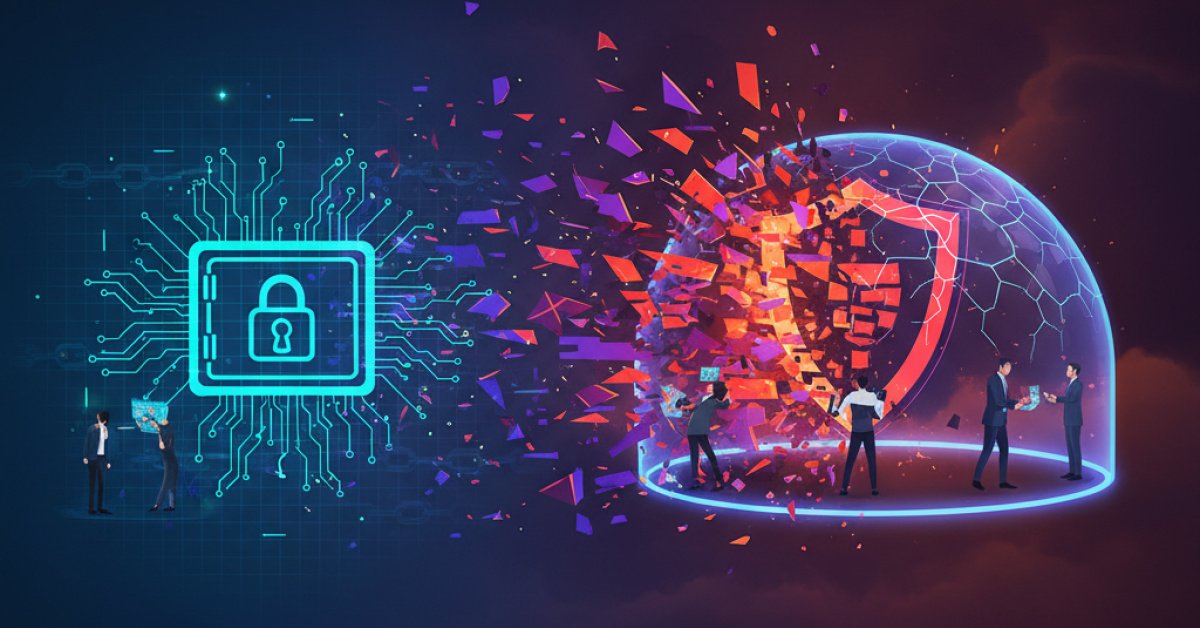
You’ve seen the headlines, right? "Cyber Insurance Market Explodes!" or "Unprecedented Growth in Cyber Coverage!" And honestly, they’re not wrong. From the outside looking in, it looks like a gold rush. The demand is through the roof, and premiums are climbing.
It’s easy to get swept up in that narrative. After all, with ransomware attacks and data breaches becoming as common as the morning coffee, of course businesses are scrambling for protection. It makes perfect sense.
But here’s the thing… when you're in the thick of it like I am, you see a different story. It’s less of a confident boom and more of a frantic, nail-biting recalibration. The industry is growing, yes, but it’s also white-knuckling its way through some massive, identity-defining challenges. Let's pull back the curtain and talk about what's really going on.
Let's Be Clear: The Growth is No Joke
First, let's give credit where it's due. The growth numbers are staggering. We’re talking about a market that has ballooned in just a few short years. Businesses that never would have considered cyber insurance five years ago now see it as a non-negotiable cost of doing business.
This isn't just hype. It's a direct response to the world we live in. Every time you hear about a hospital's systems being held for ransom or a major retailer leaking customer data, another hundred CFOs pick up the phone to call their broker. The risk is real, it's terrifying, and a cyber policy feels like the only shield available.
So yes, the demand is there. The premium dollars are flowing in. But money and growth don't magically solve the fundamental problems brewing just beneath the surface.
The Big Squeeze: Why Are Insurers Hitting the Brakes?
Imagine you own a small ferry. At first, you’re just taking a few people across the river. Business is good. Then, word gets out, and soon you have lines of people wanting a ride. Great, right? But your boat is only so big. You can only carry so many people safely before you risk sinking the whole operation.
That’s exactly what’s happening with "capacity" in the insurance world.
Capacity is just the industry's term for the total amount of risk an insurer can take on. And right now, the demand for cyber insurance is far outstripping the available capacity. Insurers are basically running out of space on the boat.
Why? A few reasons:
- Massive Payouts: Ransomware attacks, in particular, have led to some eye-watering claims. Insurers paid out huge sums, and it spooked them.
- Reinsurers are Getting Nervous: Insurers have their own insurance, called reinsurance. The reinsurers are the ones with the really deep pockets, and they’ve started getting very, very cautious about cyber risk. They're charging insurers more and offering less coverage, which directly trickles down to you, the customer.
- The Risk is Hard to Model: Insurers are brilliant at pricing risk for things like fires and car accidents. They have a hundred years of data. Cyber? It’s the wild west. The threats change daily, making it incredibly difficult to predict how much they need to charge to avoid losing their shirts.
This capacity crunch is why you’re seeing sky-high premiums, stricter requirements for getting coverage, and even some insurers pulling out of certain high-risk sectors altogether. They’re not being greedy (well, not just being greedy); they're genuinely scared of taking on more risk than they can handle.
"Will You Actually Be There for Me?" The Growing Trust Problem
This is where things get personal. The capacity squeeze and rising premiums are creating a serious credibility gap. Business owners are starting to ask a very fair question: "Is this even worth it?"
Think about it. You're being asked to pay double or triple what you paid last year. You're also being told you need to implement a dozen new security controls, from multi-factor authentication to advanced endpoint detection, just to be considered for a policy.
You do all that, you pay the massive premium, and you get a 50-page policy filled with complex jargon and exclusions. There’s this nagging feeling in the back of your mind: if the worst happens, will my insurer actually pay the claim, or will they find a loophole in sub-section 14b to deny it?
This isn't just paranoia. We’ve seen a shift. Policies are getting stricter. The claims process is getting more intense. The relationship is becoming less of a partnership and more of an adversarial negotiation. When customers feel like they're paying more for a product that's becoming less reliable, you've got a trust problem. And in insurance, trust is everything.
The Elephant in the Room: The "Big One"
Okay, now let's talk about the one thing that keeps insurance executives up at night. It's called systemic risk.
In most types of insurance, losses are independent. If your neighbor’s house burns down, it doesn’t mean your house will, too. A thousand separate car accidents can happen in a city, but they are all individual events.
Cyber is different. It’s deeply, terrifyingly interconnected.
What happens if a major cloud provider like Amazon Web Services or Microsoft Azure has a catastrophic, days-long outage? Suddenly, it’s not one company filing a claim. It’s tens of thousands of companies—all at the same time.
Or what if a vulnerability is found in a single piece of software that’s used by millions of businesses worldwide? A single cyber event could trigger a tidal wave of claims that would bankrupt not just one insurer, but a huge chunk of the industry. It's the cyber equivalent of a category 5 hurricane hitting the entire country at once.
This is the systemic risk problem, and nobody has a good answer for it yet. How do you price for an event that could cause a trillion dollars in losses overnight? You can't. And that uncertainty is casting a huge shadow over the entire market.
So, what does this all mean? It means that while the cyber insurance industry looks like it's booming, it’s actually in a period of intense and painful adjustment. It's being forced to grow up, fast. This isn't just a simple story of supply and demand. It's a fundamental recalibration of what risk means in a digital world. The next few years will be critical in determining whether cyber insurance can evolve into a stable, trustworthy solution or if it will buckle under the weight of its own complexity.